China Top Container House Trends and Innovations for Modern Living?
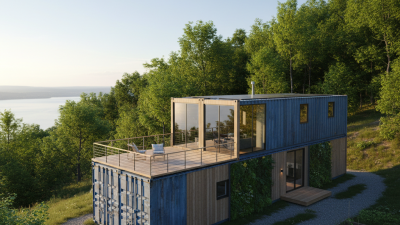
The rise of Container Houses in modern living reflects creativity and sustainability. According to industry expert Sarah Wu, "Container Houses offer unique solutions for urban space challenges." This innovative approach transforms shipping containers into stylish and functional homes.
In China, this trend is gaining momentum, showcasing versatility. Cities are seeing innovative designs that blend aesthetic appeal with practicality. Many Container Houses use eco-friendly materials and advanced technology to enhance livability. Yet, some designs can be impractical in harsh weather conditions, prompting reflection on structural integrity and insulation.
As more people seek affordable housing options, the Container House trend faces growing popularity. It challenges traditional construction norms while providing sustainable living spaces. However, potential homeowners must consider local building codes and zoning laws. Each Container House tells a story of adaptability and resourcefulness, sparking a dialogue about future living solutions.
Emergence of Container Homes in Modern Chinese Architecture
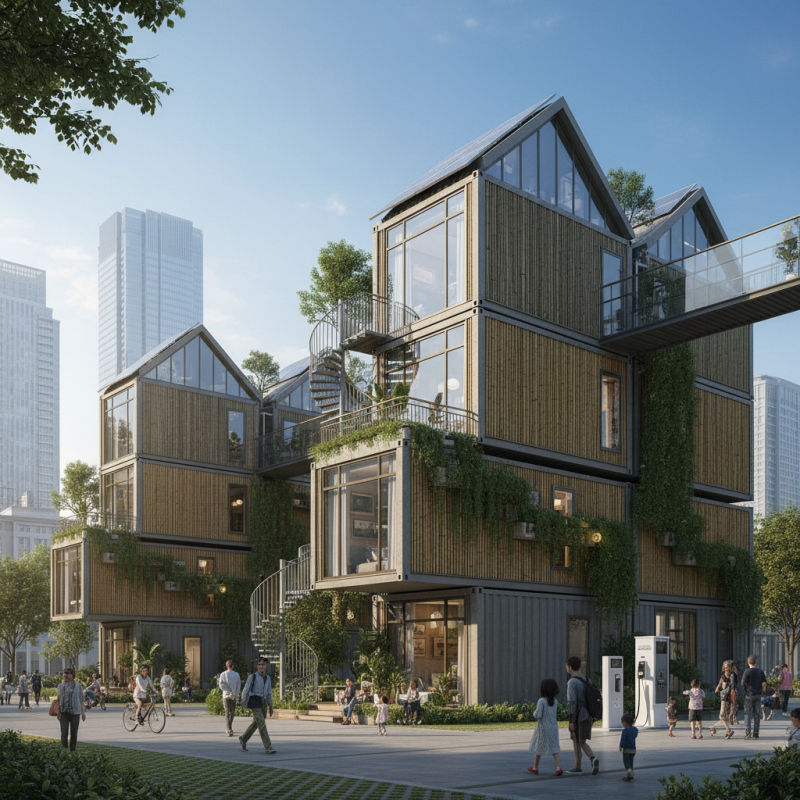
Container homes have begun to gain traction in modern Chinese architecture. These innovative structures offer a flexible solution to urban housing crises. According to a report by the China Urban Planning Society, the use of container homes has surged by over 40% in the last two years. This growth demonstrates a shift towards eco-friendly and sustainable living spaces.
Architects and designers are drawn to container homes for their versatility. They can be easily modified to suit different needs, from single-family units to multi-story apartments. The average cost of building a container house is approximately 30% less than traditional methods. However, the implementation of insulation and plumbing can present challenges. Many projects face delays due to regulatory hurdles or material shortages.
Despite the appeal of container living, there are drawbacks. Not all locations are suitable for container homes. Some areas lack the necessary infrastructure to support these types of buildings. Furthermore, potential buyers often question the long-term durability of steel structures. Ensuring energy efficiency and comfort remains a critical focus for architects. The evolution of container homes in China reflects a broader desire for modernization, sustainability, and creative urban solutions.
Sustainable Living: Environmental Benefits of Container Housing
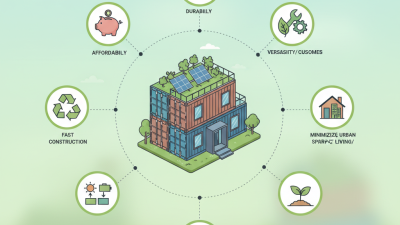
Container housing is gaining traction in China, particularly due to its sustainable living benefits. These homes reduce construction waste, minimizing the environmental impact. Reports show that using shipping containers can cut building material costs by up to 30%. This shift is not only economical but also aligns with eco-friendly practices.
Many urban areas face the challenge of overcrowding. Container homes provide innovative solutions to this problem. They can be quickly assembled, often in just a few weeks. This speed is significant given the rising demand for affordable housing. Yet, the compact space requires thoughtful design to ensure livable comfort. Some designs lack adequate insulation, leading to colder winters and hotter summers.
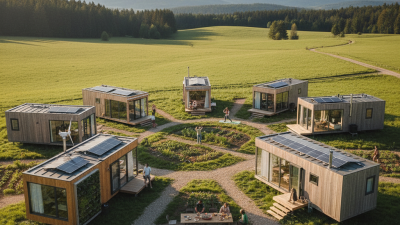
The environmental advantages extend beyond just construction. Container homes often utilize renewable energy sources, such as solar panels. This integration can lead to a reduction in electricity costs by around 50%. However, there are challenges. Not all areas have embraced container living due to zoning laws. This reluctance impacts the potential growth of this sustainable trend.
Innovative Designs and Customization in Container Homes
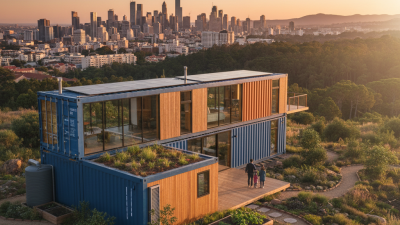
Container homes have surged in popularity due to their versatility and innovative designs. These homes can be transformed into stunning living spaces with unique characteristics. They offer open floor plans, large windows, and eco-friendly materials. Creativity knows no limits. Many designs incorporate green roofs or solar panels. These features not only enhance sustainability but also create a distinctive aesthetic.
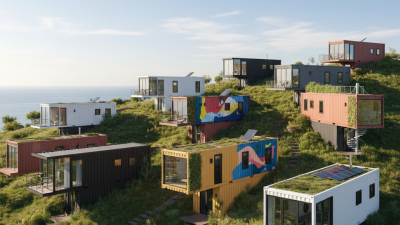
Customization plays a critical role in container home design. Homeowners can choose layouts that fit their needs. Some may prefer compact spaces, while others might opt for larger, multi-container structures. Color schemes and interior finishes also reflect personal styles. Yet, realizing these customizations can be a challenge. It often requires careful planning and understanding of structural limitations. Missteps in design can lead to costly renovations or safety issues.
The blend of efficiency and creativity in container homes shows promise. However, there is still much to learn about their long-term durability. Many structures face issues like insulation or condensation. These problems need addressing to ensure lasting comfort. As container living evolves, innovative solutions will emerge. This journey calls for careful exploration and thoughtful execution in design.
China Top Container House Trends and Innovations for Modern Living
| Trend/Innovation |
Description |
Benefits |
Customization Options |
| Sustainable Materials |
Utilization of eco-friendly materials to enhance sustainability. |
Reduced environmental impact and improved energy efficiency. |
Recycled steel and solar panel options. |
| Modular Design |
Interlocking container structures that can be rearranged. |
Flexibility in space usage and easy expansion. |
Different sizes and interior layouts available. |
| Smart Home Technology |
Integration of smart devices for enhanced living experience. |
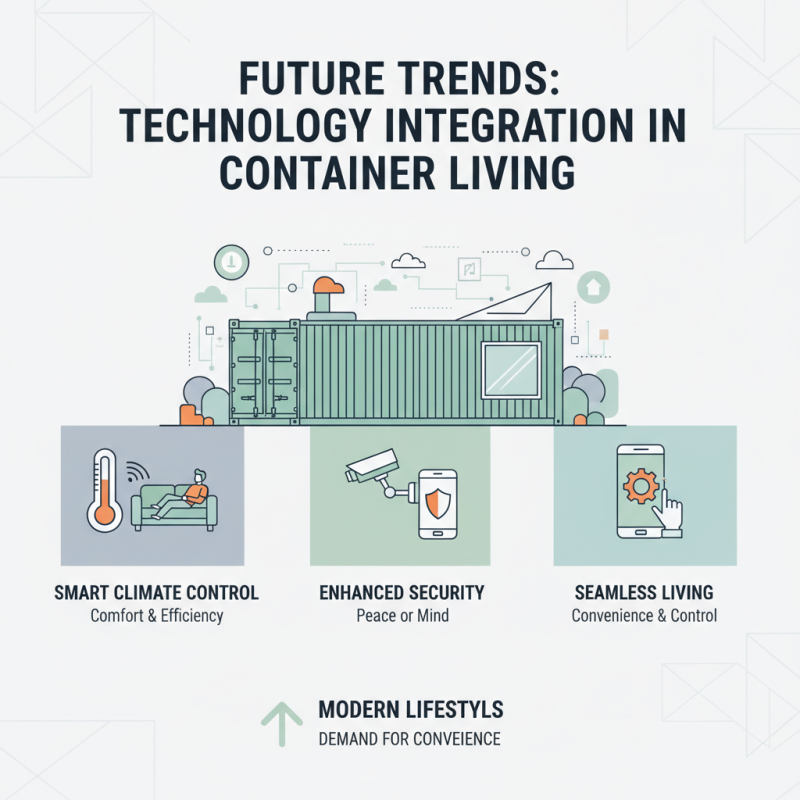
Convenience, energy savings, and security. |
Home automation systems and smart appliances. |
| Custom Interiors |
Personalized interior designs to meet individual preferences. |
Unique living spaces that reflect personal style. |
Choice of colors, finishes, and furnishings. |
| Container Stacking |
Building vertically with containers to save space. |
Maximized use of land and creative architectural styles. |
Architectural customization for aesthetics and functionality. |
Challenges and Solutions in Container House Construction
Container houses are gaining traction in China, but construction challenges persist. The modular nature of these units can lead to design limitations. Often, architects struggle to create spacious interiors due to rigid dimensions. According to a report from the International Journal of Architecture, over 40% of container projects face spatial design issues.
Building codes can also complicate container house construction. Many regions lack specific regulations for these homes. This leaves builders uncertain about safety standards and structural integrity. Additionally, insulation is a critical concern. Container walls can be too thin for effective thermal performance. The National Institute of Building Sciences states that container homes may incur higher energy costs if not properly insulated.
Tip: Consider working with architects experienced in container design. This expertise can help navigate challenges.
Another common issue is rust and corrosion. Containers are often made of steel, which is vulnerable to the elements. Regular maintenance is essential, as untreated surfaces can lead to deterioration. A study by the Container Housing Association indicates that only 25% of owners proactively address this issue, resulting in significant future costs.
Tip: Choose high-quality coatings and treatments to reduce rust.
Despite these challenges, container homes offer a unique living solution. Designers need to adapt and innovate continually. Emphasizing sustainability and function will lead to improved outcomes in this evolving field.

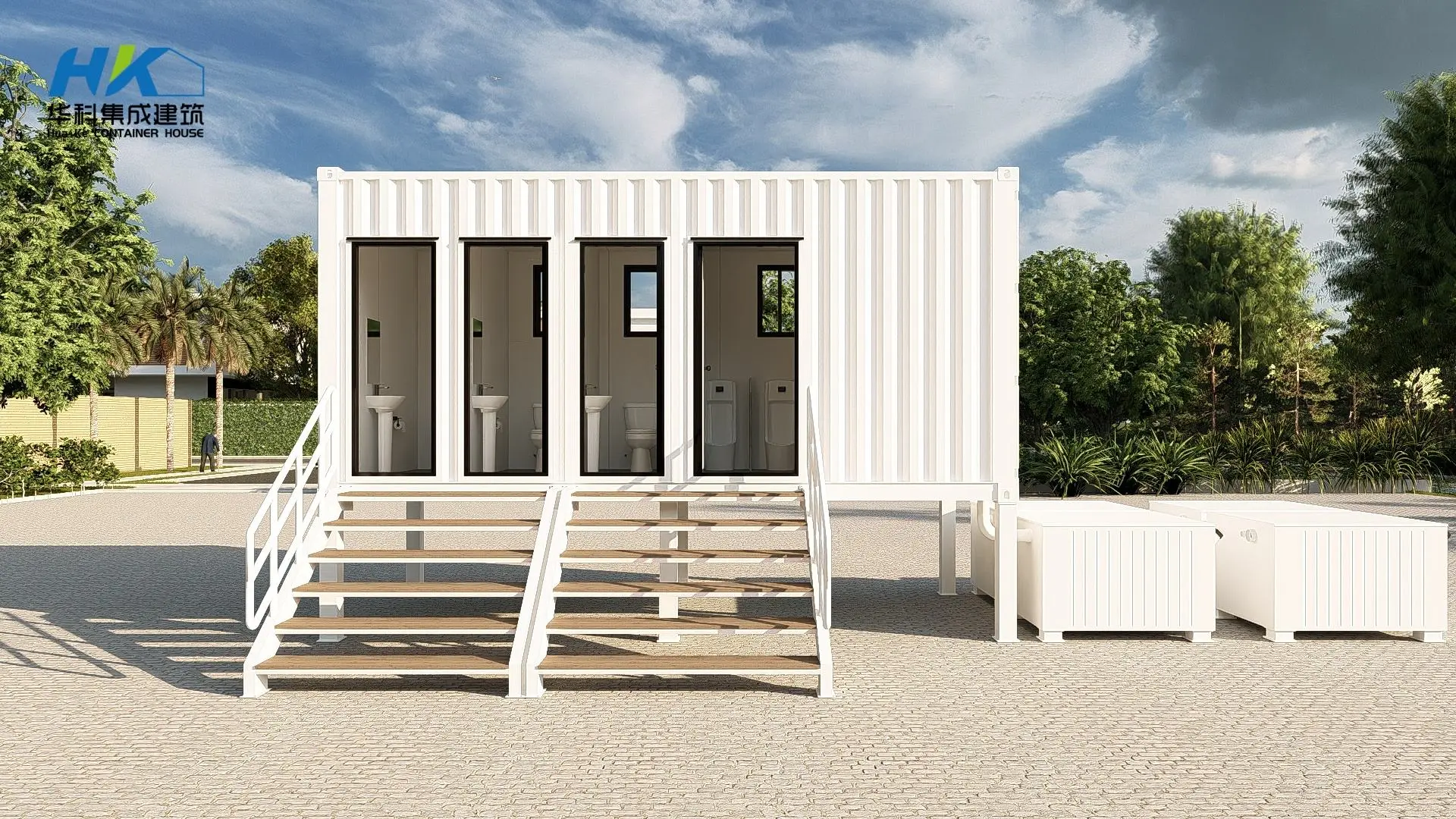 Contianer Toilet