How to Choose the Best Prefabricated House for Your Needs?
Choosing the right Prefabricated House is crucial for satisfying your housing needs. Leading expert, Dr. Henry Adams, once said, “Design matters in prefabricated homes.” This statement resonates deeply when considering the various options available today. Prefabricated houses offer flexibility, efficiency, and style, but not all choices fit everyone.
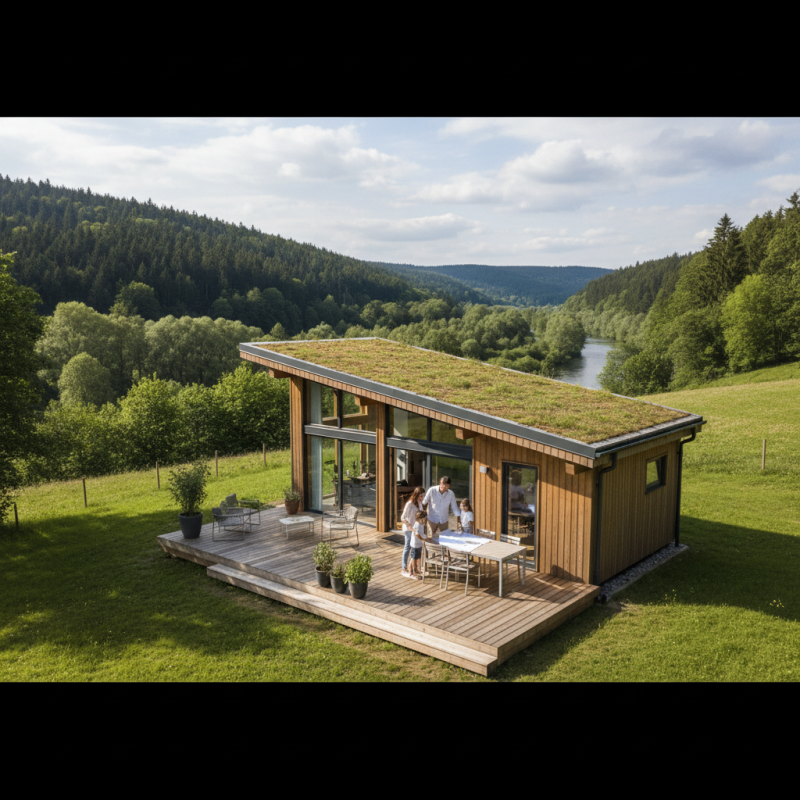
Your decision shouldn't be solely about aesthetics. Consider functionality and sustainability as well. For instance, some prefabricated designs use eco-friendly materials, which can affect both cost and long-term livability. A well-designed prefabricated house can blend modern comfort with traditional elements, creating a space that feels personal.
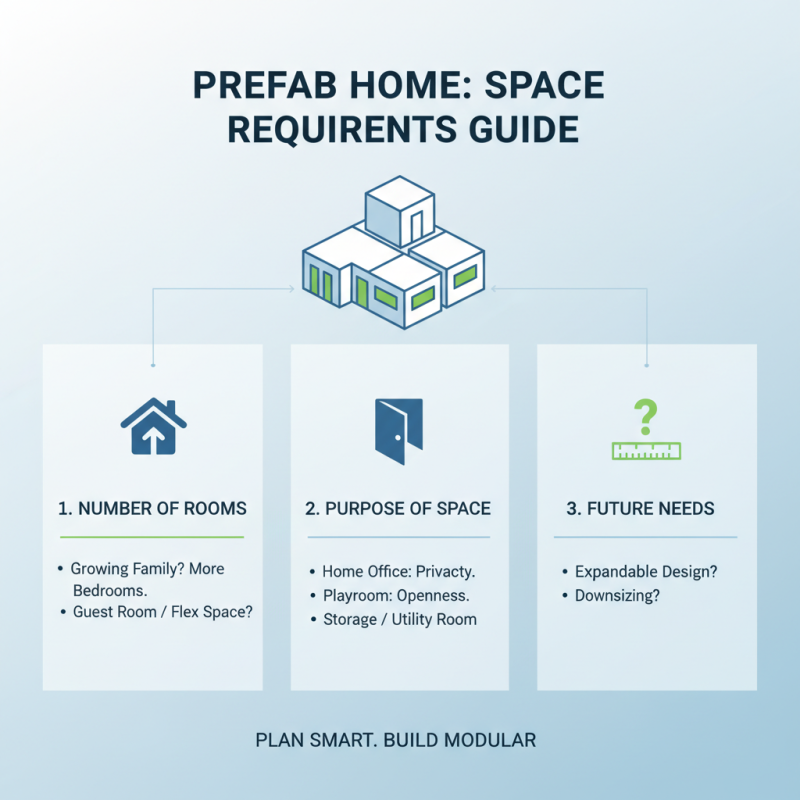
Yet, navigating the myriad of choices can be overwhelming. Many become swayed by flashy designs without considering essential features. Reflect on your specific needs: family size, climate, and future plans. A prefabricated house might seem appealing, but it may not suit everyone’s lifestyle. Being contemplative about your wants and realities will lead to a more satisfying outcome in the long run.
Understanding Prefabricated Houses: Key Benefits and Types
Prefabricated houses have become an attractive option for many. They offer various benefits that appeal to modern homeowners. One key advantage is efficiency. These homes are built in sections, which can speed up construction time. A typical prefabricated house takes less time to assemble than a traditional home. This can mean moving in faster and enjoying your space without long delays.
There are various types of prefabricated houses. Modular designs allow for flexible layouts and room sizes. You can choose the number of bedrooms based on your needs. Panelized homes offer solid walls and roof sections. They can be customized easily but may require more on-site labor. Remember, different types can mean different costs. Always consider your budget before making a choice.
While the advantages are clear, there are challenges. Not every site is suitable for these homes. You must evaluate zoning laws and land regulations. Sometimes, connecting utilities can be complicated. It’s essential to do thorough research and plan wisely. Understanding these factors can help ensure you make the best choice for your situation.
Evaluating Construction Materials: Wood, Steel, and Composite Options
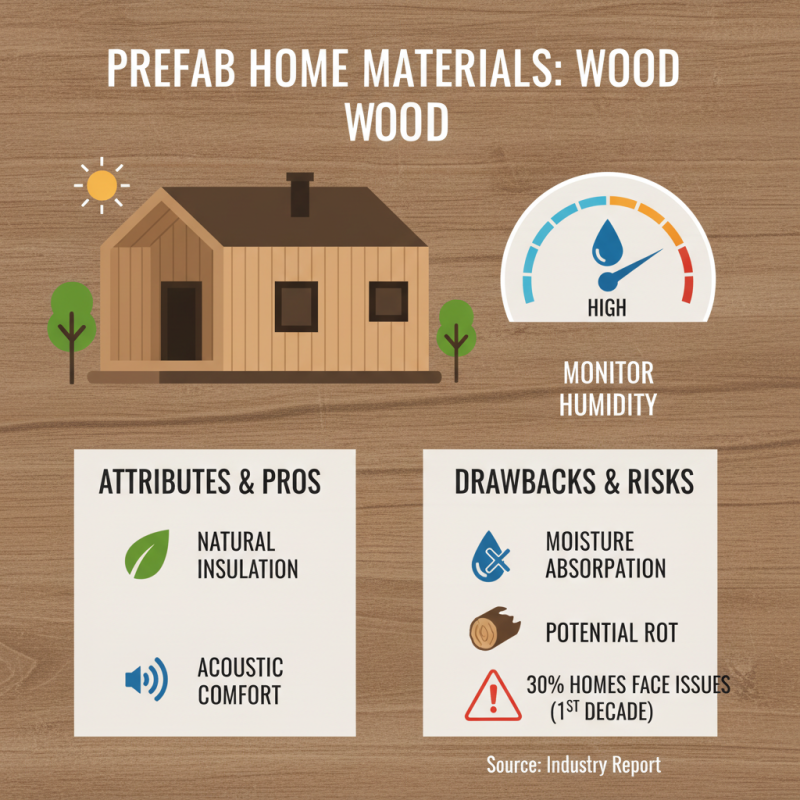
When selecting a prefabricated house, the choice of construction materials greatly impacts longevity and performance. Each option has its attributes, advantages, and drawbacks. Wood, known for its natural insulation properties, can absorb moisture, leading to potential rot. According to a recent industry report, over 30% of wood homes face issues within their first decade. It’s essential to monitor humidity levels throughout the year.
Steel offers strength and durability. It withstands extreme weather better than wood. However, it can conduct heat, which may require additional insulation. Data indicates that homes made with steel should use at least 20% more insulation to maintain energy efficiency during winter.
Tip: Consider local climate when choosing materials. In humid areas, wood might not be advisable.
Composite materials blend both wood and plastic, promising lower maintenance while retaining some warmth. Nevertheless, they may raise environmental concerns related to their sourcing and manufacturing. Many composite products have a lifespan of 15-25 years, which can be shorter than anticipated.
Tip: Research the lifecycle of each material. Some may seem innovative but aren't as sustainable as they appear.
Cost Analysis: Budgeting for Purchase and Long-term Maintenance
When considering the cost analysis of a prefabricated house, budgeting is crucial. The initial purchase price can be appealing. However, keep in mind the long-term maintenance costs. According to a recent industry report, homeowners can expect to spend about 5-10% of the purchase price annually on maintenance. This can add up significantly over time.
Tips: Always factor in repair costs for items like roofing and plumbing. These often incur unexpected expenses. Choose materials wisely. They can impact both immediate and long-term costs.
Utility expenses also deserve attention. Prefabricated houses often have lower energy costs. However, older models might lack energy efficiency features. The U.S. Department of Energy reports modern builds can save up to 30% more on utilities.
Tips: Invest in energy-efficient appliances. They reduce your monthly spend. Also, consider insulation quality. Better insulation pays off. Keep track of all expenses to avoid surprises down the line. Reflect on your plan regularly. Adjust your budget as needed to stay on track.
How to Choose the Best Prefabricated House for Your Needs? - Cost Analysis: Budgeting for Purchase and Long-term Maintenance
| Aspect |
Estimated Cost ($) |
Maintenance Cost (Annual) ($) |
Lifespan (Years) |
Energy Efficiency Rating |
| Basic Model |
50,000 |
1,200 |
30 |
B |
| Standard Model |
75,000 |
1,800 |
35 |
A |
| Premium Model |
100,000 |
2,500 |
40 |
A+ |
| Luxury Model |
150,000 |
3,200 |
50 |
A++ |
Regulations and Permits: Navigating Local Building Codes and Zoning Laws
Building a prefabricated house can be an exciting adventure, but understanding local regulations is crucial. Each area has its own building codes and zoning laws. These rules can affect the size, design, and placement of your new home. Ignoring them can lead to delays or costly modifications. Always check with local authorities before making plans.
Here are some tips to ease the process. Start by visiting your local planning department's website. This resource can provide important information on permits needed for your prefabricated home. It is also wise to talk to neighbors. They may have insights based on their own experiences navigating similar regulations.
Don't forget to consider potential limitations. Zoning laws may restrict your property usage or the dimensions of your home. For instance, some areas may require a certain distance from property lines. Be prepared for surprises along the way. Understanding these specifics upfront can save time and headaches later. Engage with professionals who are familiar with your area’s codes. Their expertise can guide you through the maze of regulations effectively.

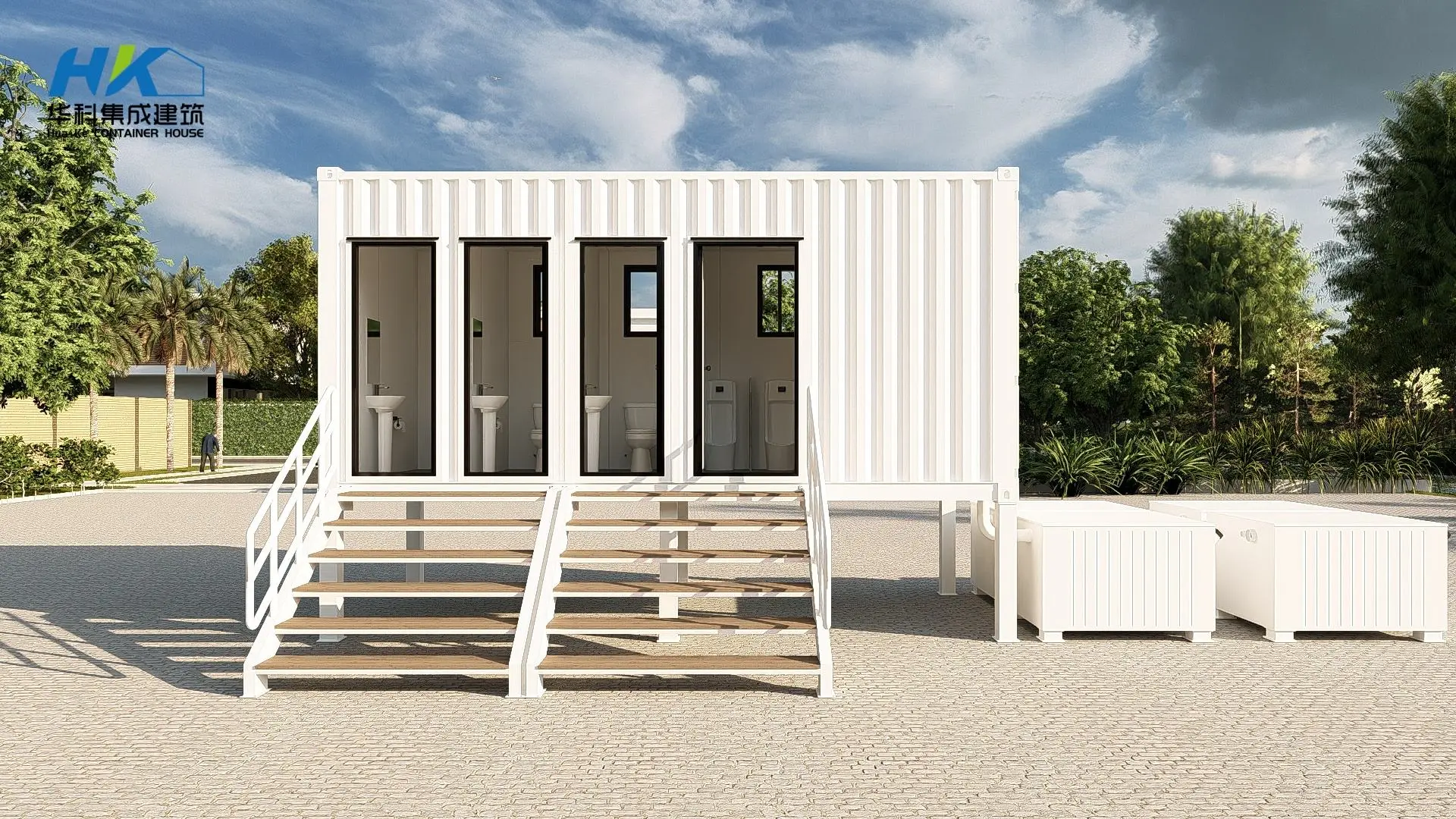 Contianer Toilet