China Best Building Material Types for Your Construction Needs?
In the booming construction industry, the choice of building material is crucial. According to the National Bureau of Statistics of China, the market for building materials reached approximately 6.4 trillion yuan in 2022. This significant figure underscores the importance of selecting the right materials for successful projects. Quality building materials not only enhance durability but also impact costs and timelines.
China offers a diverse range of building materials, each suited for different construction needs. From traditional brick and mortar to innovative composite materials, the options are vast. For example, concrete remains a popular choice, accounting for over 60% of materials used in construction. However, sustainability concerns are pushing for alternatives like bamboo and recycled materials, which can be overlooked.
While many companies prioritize cost over quality, this might lead to future inefficiencies. It is vital to balance budget constraints with the long-term value of quality building materials. Understanding industry trends and data can guide better choices and foster innovation in construction projects. As the market evolves, being aware of these details becomes essential for any construction professional.
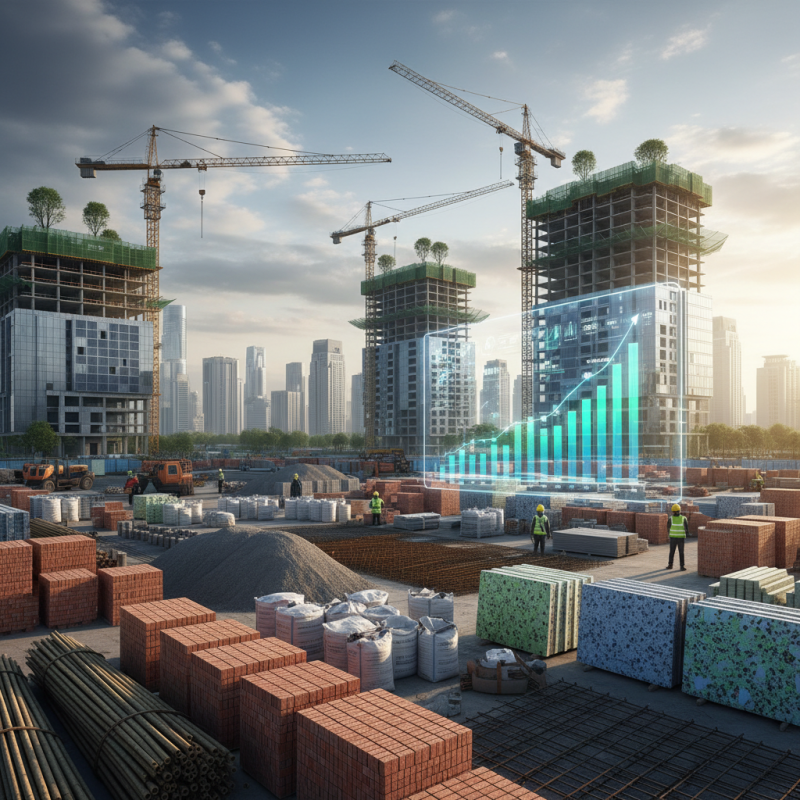
Types of Building Materials Commonly Used in China
When constructing buildings in China, the choice of materials is crucial. Traditional options like concrete and steel remain prevalent. According to the China National Building Material Group, concrete is the most widely used material, accounting for approximately 80% of all construction projects. Its durability and ability to withstand harsh conditions make it a favorite among builders.
Wood, although less common than concrete, is gaining popularity in certain sectors. The use of engineered wood products has risen by over 15% in the past five years. This innovative approach provides strength while being environmentally friendly. However, challenges arise in sourcing sustainable timber.
Brick has a long history in China, renowned for its thermal insulation properties. Over 60% of residential buildings feature brick as the primary material. It offers excellent fire resistance but may require significant energy for production. This highlights the balance between traditional methods and modern sustainability demands in construction practices.
Characteristics of Traditional Chinese Construction Materials
Traditional Chinese construction materials have a unique blend of functionality and
aesthetic appeal. Among them, bamboo stands out for its strength and flexibility.
A 2020 report by the International Bamboo and Rattan Organization noted that bamboo's tensile strength is comparable
to steel. This makes it an ideal choice for various structural components. Its rapid growth and renewability also position
bamboo as a sustainable building material.
Wood, another prevalent material, has been used for centuries. It offers excellent insulation properties,
making it energy-efficient. According to a 2021 study published in the Journal of Sustainable Building, wooden
structures can reduce energy consumption by up to 20%. However, the
availability of high-quality timber raises concerns. Overharvesting can lead to deforestation,
impacting local ecosystems.
Finally, traditional bricks and stones remain widely used in Chinese architecture. They offer durability
and fire resistance, essential for safety. However, they can be heavy and cumbersome, complicating
transportation and construction. Balancing tradition with innovation is crucial for
future construction projects. Adopting modern techniques may enhance the use of these
materials while honoring their cultural significance.
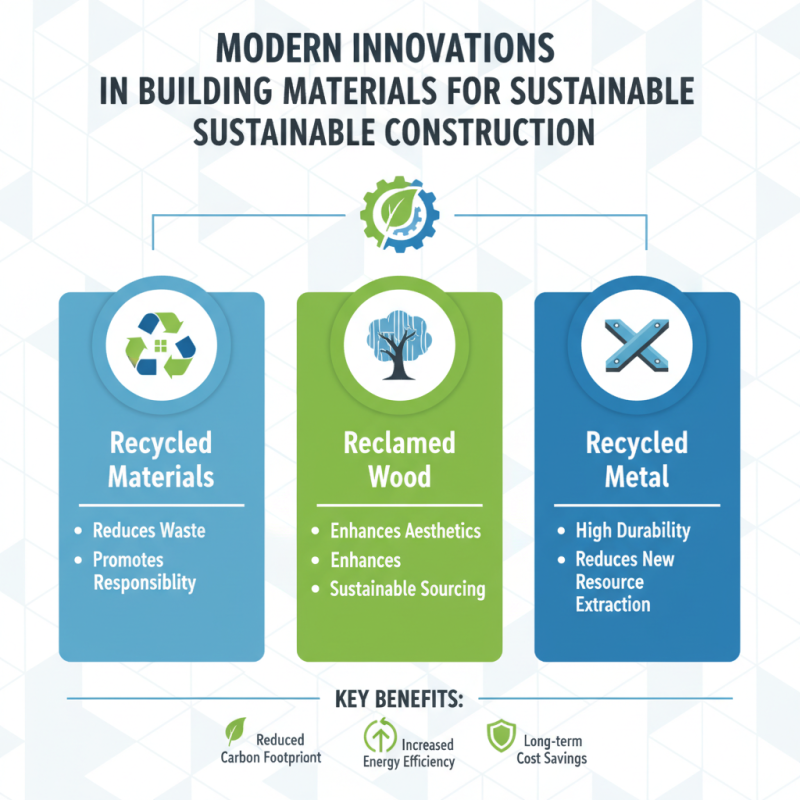
Modern Innovations in Building Materials for Sustainable Construction
Modern construction faces pressing sustainability challenges. Innovations in building materials can significantly address these issues. For instance, recycled materials are gaining traction. They reduce waste and promote environmental responsibility. Using reclaimed wood or recycled metal can enhance both aesthetics and sustainability.
Another interesting trend is bio-based materials. These materials, derived from natural sources, are often more sustainable. They can offer better insulation and lower energy consumption. However, their durability and availability still raise questions. Research continues to explore these materials’ long-term performance.
Furthermore, 3D printing technology is revolutionizing construction. It allows for quick fabrication of components using sustainable materials. This method can minimize waste, but it also needs regulatory frameworks to ensure safety. Balancing innovation with reliability remains a challenge in sustainable construction.
Choosing the Right Material Based on Climate and Location
Choosing the right building materials is crucial for construction. The climate and location directly affect the performance and durability of these materials. In humid regions, moisture-resistant materials like treated wood or composite siding are essential. In colder climates, insulation options such as high-performance concrete and fiberglass are more suitable. These materials can help maintain comfortable temperatures indoors.
Understanding local environmental factors also shapes material choice. For instance, areas prone to earthquakes require seismic-resistant materials. Steel frames or reinforced concrete are often preferred. Coastal locations demand materials that can withstand saltwater exposure, like corrosion-resistant metals. Neglecting these details can lead to costly repairs down the line.
Inexperienced builders often overlook the long-term impacts of material selection. Cheap materials may save money initially but lead to future issues. Balancing cost with durability and effectiveness is essential. Construction is not just about what looks good; it’s about what lasts. Reflecting on these factors helps guide better decisions for sustainable building practices.
Comparative Analysis of Cost and Durability of Various Materials
When choosing building materials for construction in China, cost and durability are crucial factors. Various materials can significantly impact the overall success of a project. For instance, concrete is widely used for its strength and affordability. It’s often preferred in urban developments. However, the environmental cost of concrete production raises concerns. It may not be the best choice for sustainable projects.
Steel shows excellent durability, particularly in high-rise constructions. It has a longer lifespan than many other materials. Yet, the high cost of steel can be a significant drawback. The ongoing maintenance required can also add to overall expenses. On the other hand, brick has a charming aesthetic. Bricks are durable and provide excellent insulation. However, they can be labor-intensive, which complicates and inflates installation costs.
Wood is another option, offering a warm and natural look. It’s generally cheaper but varies widely in quality. Environmental factors, pests, and moisture can damage wood structures over time. It's essential to understand the specific needs of your construction project. The choice should reflect not only cost and durability but also environmental considerations. Each material comes with its trade-offs to ponder.
China Best Building Material Types for Your Construction Needs? - Comparative Analysis of Cost and Durability of Various Materials
| Material Type |
Cost per Square Meter (CNY) |
Durability (Years) |
Maintenance Requirement |
| Reinforced Concrete |
450 |
50+ |
Low |
| Brick |
600 |
75 |
Medium |
| Steel |
800 |
40 |
High |
| Wood |
700 |
20-30 |
High |
| Glass |
1200 |
30 |
Medium |

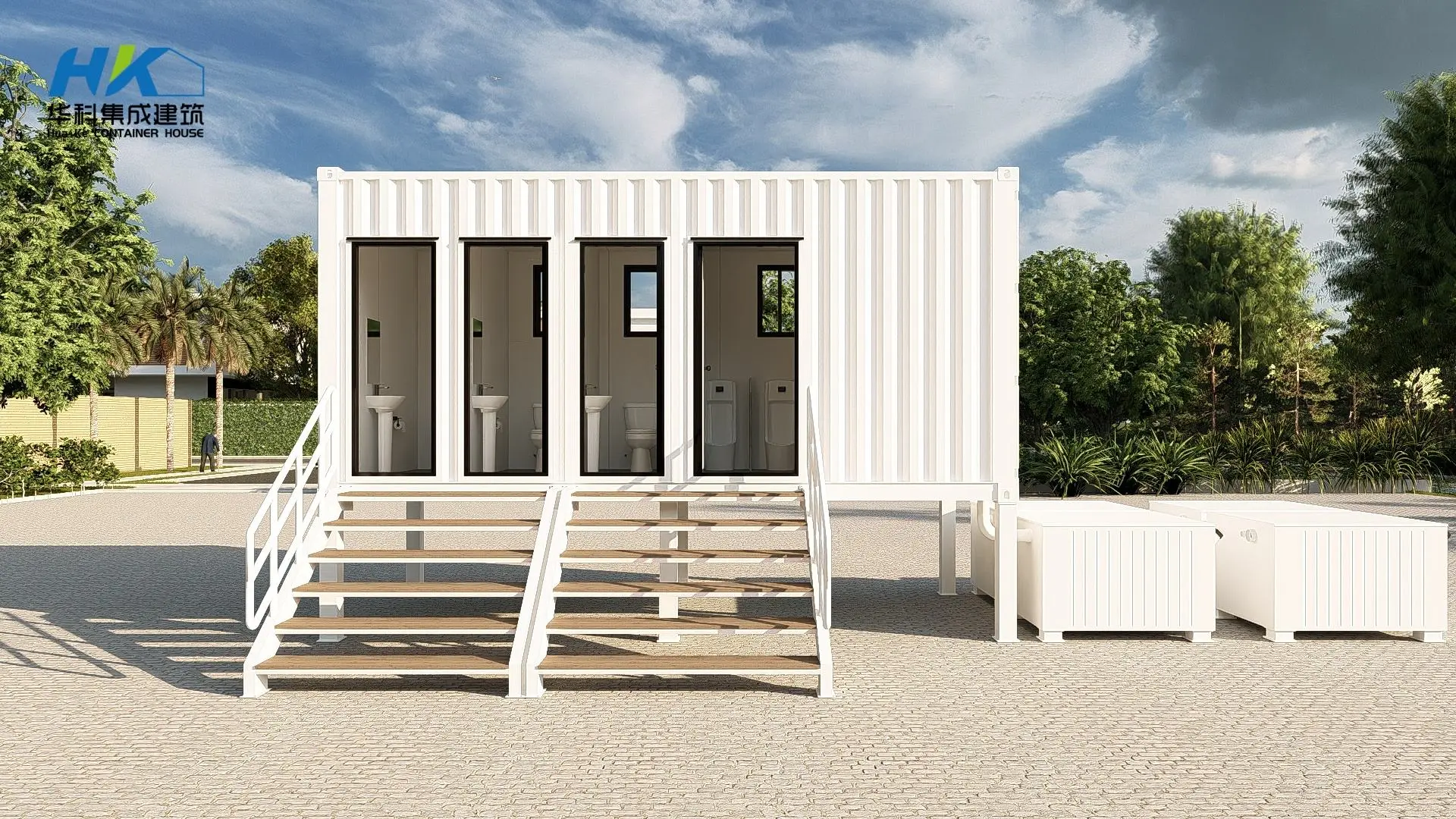 Contianer Toilet