Why Choosing the Right Building Material Matters for Your Construction Project?
Choosing the right building material is crucial for any construction project. The materials you select will directly impact the project's durability, aesthetics, and overall cost. With so many options available, it can be overwhelming. Some might focus on price alone, overlooking quality and sustainability.
Building materials range from concrete to wood, steel to brick. Each has unique strengths and weaknesses. For instance, while concrete is strong, it may not be as environmentally friendly as bamboo. This inconsistency can lead to significant long-term consequences.
Many factors should influence your choices. Consider the climate, the purpose of the building, and your project's budget. Skipping thorough research can result in costly mistakes. Reflecting on these elements can make a significant difference in the project's success. Effective selection can lead to a structure that stands the test of time.
Understanding the Importance of Building Materials in Construction
Choosing the right building materials is crucial for any construction project. The right materials influence not only the durability of a structure but also its aesthetic appeal. For instance, wood can provide warmth, while metal offers a sleek, modern look. Each choice comes with its own set of advantages and drawbacks.
In an ideal scenario, every material would perform perfectly. However, many projects face challenges like weather conditions or budget constraints. Some materials may not behave as expected over time. For example, certain types of concrete can crack under pressure. Recognizing these nuances is essential for long-term success.
Environmental impact is another consideration. Sustainable materials are becoming more popular, but they often come with a higher upfront cost. Some builders may overlook this, focusing only on immediate needs. Balancing cost, quality, and eco-friendliness is not easy but necessary for responsible building practices.
Types of Building Materials and Their Characteristics
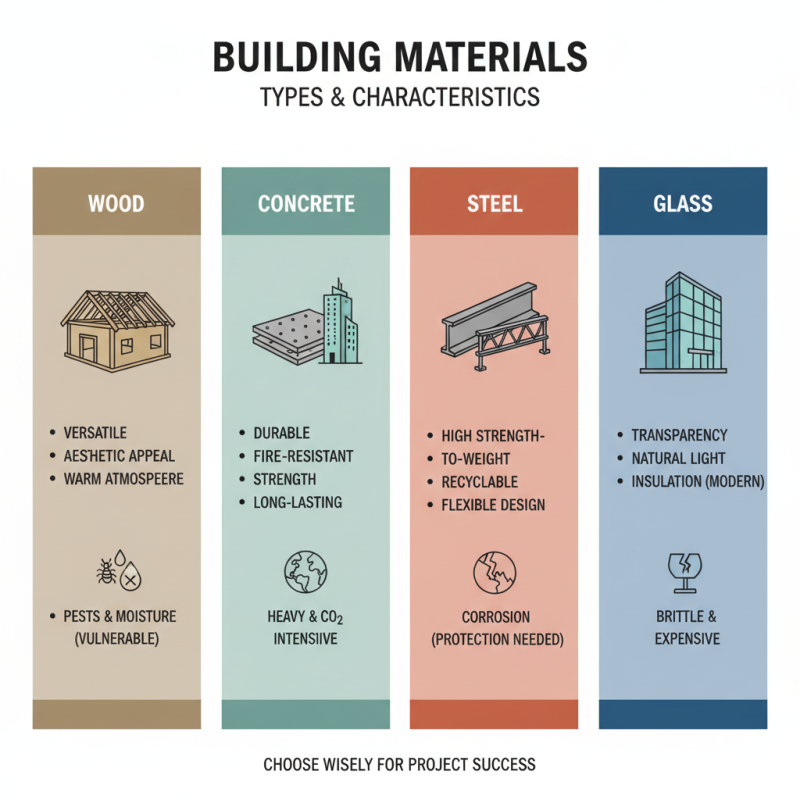
Choosing the right building materials is essential for any construction project. Each type of material has its own set of characteristics that can significantly impact the overall outcome. For example, wood is known for its versatility and aesthetic appeal. It can create a warm atmosphere in residential homes. However, wood is also susceptible to pests and moisture, which can affect its longevity.
Concrete is another popular choice. Its strength and durability make it ideal for foundations and structures. Yet, concrete can be heavy and may crack over time without proper care. Steel offers excellent strength-to-weight ratios, making it suitable for high-rise buildings. However, corrosion can be a problem in certain environments.
Brick is durable and provides good insulation, but it can be labor-intensive to install. Each material presents its advantages and disadvantages. Understanding these aspects can help make informed decisions. Careful consideration of materials can prevent future issues and enhance the longevity of the project. Ultimately, the right choices can lead to a successful construction outcome.
Impact of Material Selection on Project Durability and Safety
Selecting the right building materials is crucial for construction projects. The choice significantly impacts durability and safety. According to a report by the World Economic Forum, poor material selection can lead to increased maintenance costs of approximately 25% over a structure's lifespan. This number highlights the financial implications of decisions made at the outset.
For instance, using subpar concrete can compromise a building's strength and stability. In regions prone to earthquakes, material integrity becomes vital. Inappropriate choices may leave buildings vulnerable, risking the safety of occupants. Data from the National Institute of Standards and Technology shows that proper material selection reduces the risk of structural failure by 40%.
Furthermore, many projects overlook sustainability in favor of initial costs. This shortsighted view can lead to long-term consequences. A study by the U.S. Green Building Council revealed that eco-friendly materials enhance durability and reduce energy consumption by 35%. These materials often perform better under stress and have lower overall lifecycle costs. Therefore, a deeper understanding of material properties is essential for project success.
Cost Considerations in Choosing Building Materials
When planning a construction project, cost considerations play a vital role. The building materials you choose can greatly affect your budget. For instance, some materials like concrete are durable but can be more expensive upfront. On the other hand, wood might be cheaper initially, but it requires more maintenance over time. This can lead to hidden expenses that add up.
Additionally, the long-term value of materials is crucial. Cheaper options may seem appealing but might not withstand wear and tear. A project that uses low-cost materials may need repairs sooner. These costs can overshadow initial savings. Balancing quality and affordability is not easy. It requires careful analysis and reflection.
Investing in the right materials can yield significant savings in the long run. It’s essential to think about environmental impact as well. Sustainable materials might come with a higher upfront cost but offer long-term benefits. The choices you make today can have lasting effects. Being mindful of these factors will help ensure a successful construction project.
Sustainability and Environmental Impact of Building Material Choices
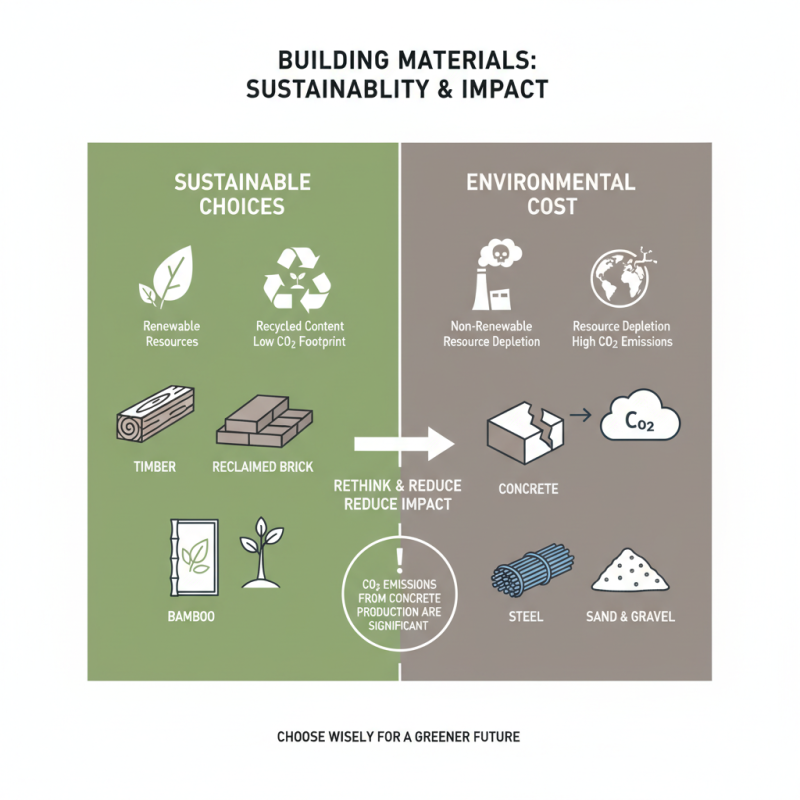
When selecting building materials, sustainability plays a crucial role. The environmental impact of these choices can be significant. Many materials are non-renewable, leading to resource depletion. For instance, concrete production emits a large amount of CO2. People often underestimate this. We should rethink our choices before committing to specific materials.
Consider using recycled or repurposed materials. They can lower your carbon footprint. Steel and wood can be sourced sustainably and reused effectively. However, finding quality supplies can be challenging. It requires careful research and sometimes compromises on appearance or cost. Sometimes, the initial price of eco-friendly materials may discourage builders.
The journey to sustainability is complex. It often includes navigating regulations and construction standards. A project might face delays due to sourcing challenges. These hurdles remind us that achieving environmental goals requires effort. Each choice influences the project's overall impact on the planet. Reflecting on these aspects can lead to better decisions in the long term.

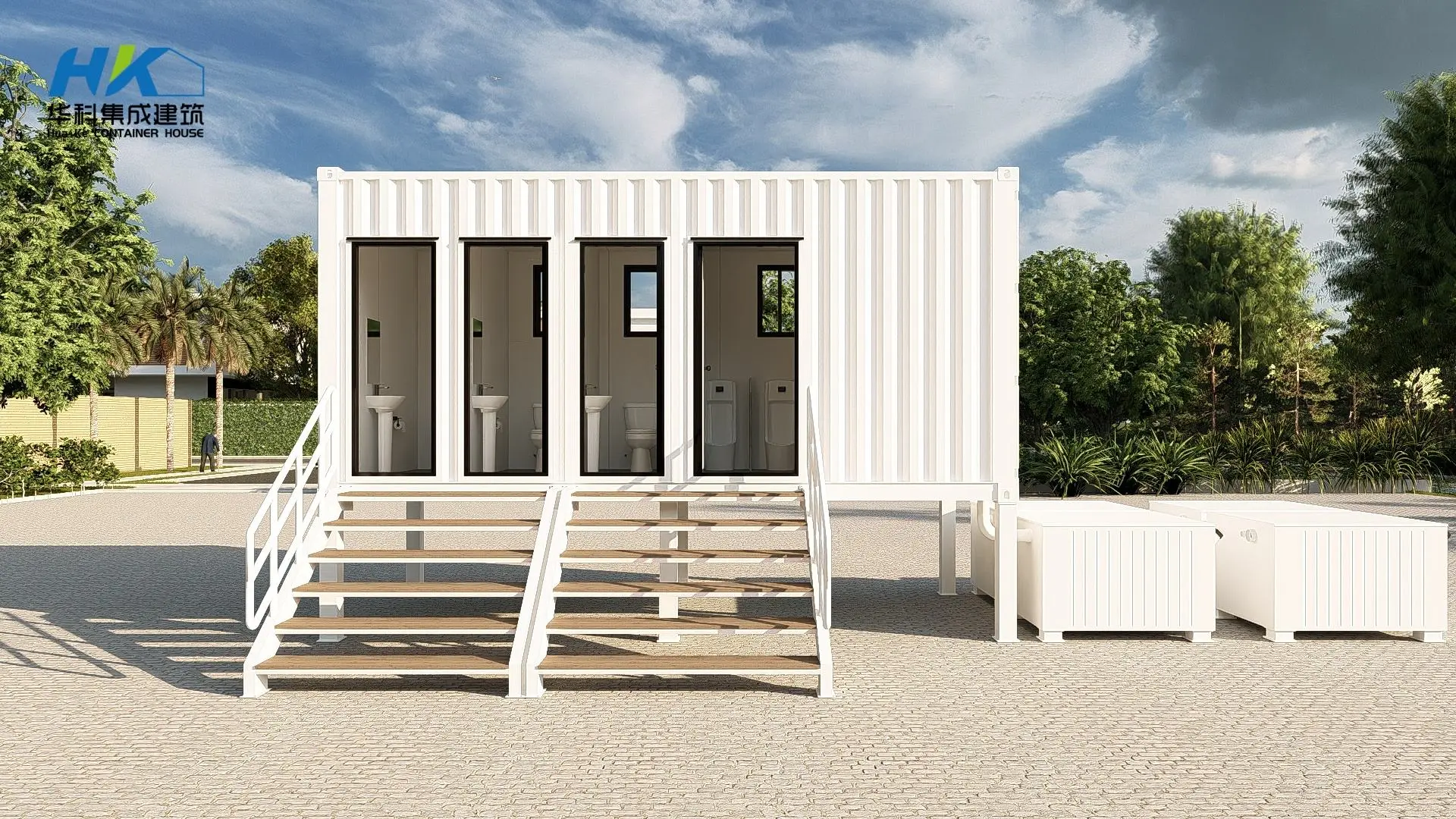 Contianer Toilet