How to Choose the Best Swimming Pool for Your Home?
Choosing the right swimming pool for your home can be a daunting task. A 2022 report from the International Swimming Pool and Spa Association (ISSPA) states that nearly 10 million residential pools exist in the United States alone. This highlights the popularity and growing demand for swimming pools. However, selecting the best option requires careful consideration of various factors.
John Smith, a renowned expert in the swimming pool industry, once said, “A pool should be a source of joy, not stress.” His insight reflects the common challenge homeowners face. Many are overwhelmed by choices and often miss critical details. The right swimming pool can enhance property value and offer countless summer memories. Yet, the wrong choice can bring frustration and regret.
Essential elements to evaluate include size, material, and maintenance needs. Each option has its own pros and cons. For instance, above-ground pools are often less expensive but may lack aesthetic appeal. In contrast, in-ground pools provide a luxurious touch but come with higher costs and upkeep. It's important to weigh these factors carefully. Making an informed decision can lead to years of enjoyment, but rushing into a choice may lead to costly mistakes.
Types of Swimming Pools: In-Ground vs. Above-Ground Options
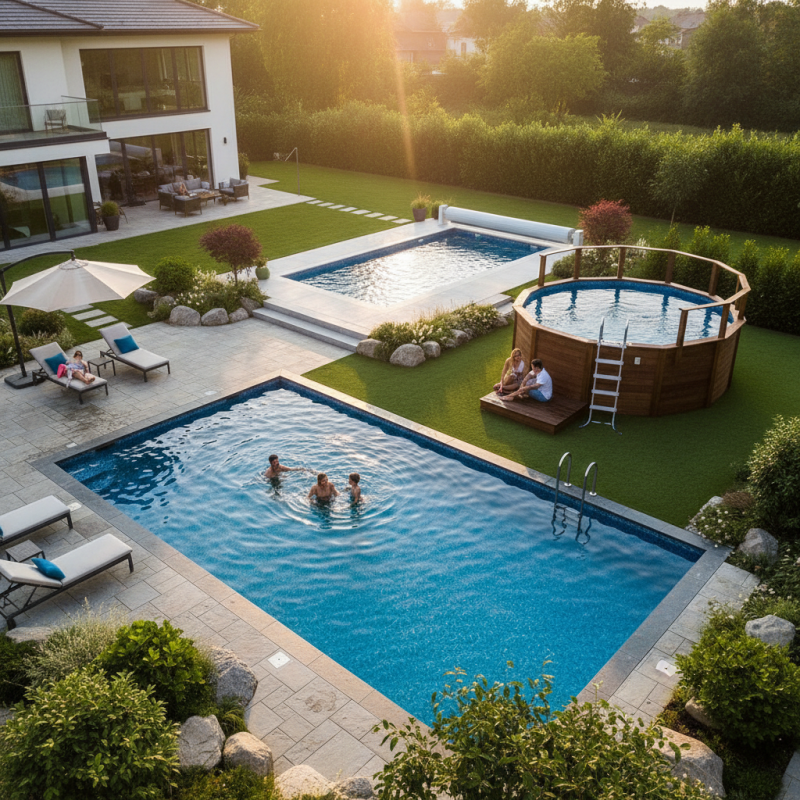
When considering a swimming pool for your home, the choice often comes down to in-ground or above-ground options. In-ground pools offer a permanent and often luxurious addition to your backyard. They can be customized in shape, size, and materials. However, installation can be costly and time-consuming. Owners often need to consider maintenance and potential repairs. For many, the investment feels substantial, especially if unexpected issues arise.
On the other hand, above-ground pools present a more affordable and flexible alternative. These pools are relatively easy to install. They come in various sizes and can be taken down if you move. While they tend to be less durable than in-ground options, they require less upkeep. Still, some owners feel they lack the aesthetic appeal of their in-ground counterparts. Choosing between the two hinges on personal preferences and practical considerations.
Ultimately, the decision is not just about style but also about budget, space, and climate. Both options have unique benefits and downsides. Evaluating your lifestyle and needs will help tailor your choice. Reflecting on how often you’ll use the pool may reveal deeper preferences that guide your decision. Your ideal pool should enhance your home while fitting within your means.
How to Choose the Best Swimming Pool for Your Home? - Types of Swimming Pools: In-Ground vs. Above-Ground Options
| Pool Type |
Cost Range |
Installation Time |
Maintenance Level |
Lifespan |
| In-Ground Pool |
$30,000 - $100,000 |
4 - 12 weeks |
High |
25 - 50 years |
| Above-Ground Pool |
$1,500 - $15,000 |
1 - 3 days |
Low to Moderate |
7 - 15 years |
| Fiberglass Pool |
$20,000 - $60,000 |
2 - 8 weeks |
Moderate |
25 - 30 years |
| Vinyl Liner Pool |
$20,000 - $50,000 |
4 - 8 weeks |
Moderate to High |
15 - 25 years |
Factors to Consider: Space, Budget, and Lifestyle Needs
When choosing the best swimming pool for your home, consider your available space. Research shows that nearly 60% of homeowners prefer smaller, compact pools due to limited yards. This trend is gaining traction, especially in urban areas. A smaller pool can still offer fun without overwhelming your outdoor space. Ensure you measure accurately before making a decision.
Budget is another critical factor. The average cost of installing a standard in-ground pool can range from $35,000 to $70,000. This does not include ongoing maintenance. For many, unexpected expenses arise from landscaping or repairs over time. Proper budgeting from the start can save you from financial stress later on.
Lifestyle needs also play a significant role. If you have children or frequent pool parties, you may require a larger pool. Data suggests that pools built for family use tend to incorporate safety features. This includes non-slip surfaces and shallow areas.
Reflect on how you will use the pool. Will it be for exercise, relaxation, or entertainment? Each purpose influences the size and style you choose.
Materials and Installation: Choosing the Right Pool Structure
When selecting a swimming pool, the structure and materials play a crucial role. Each option has its unique advantages, and understanding them can guide your choice. Concrete pools, for instance, offer durability and customization. They can be shaped to fit your yard perfectly. However, the installation process is complex and time-consuming.
Vinyl-lined pools are another popular choice. They are typically less expensive and allow for quick installation. The flexible design means you can choose different shapes. Keep in mind, though, that the liner will need replacement every few years, adding to the long-term cost.
Tips: Think about your climate. Certain materials perform better in extreme weather. Research local installation companies. Their expertise can ensure a smoother process. Balancing these factors helps avoid regrets down the line. A little extra research goes a long way in achieving your dream pool.
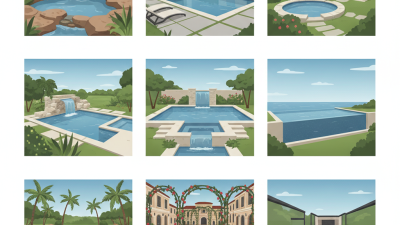
Comparison of Different Pool Materials
Design and Aesthetics: Enhancing Your Backyard Space
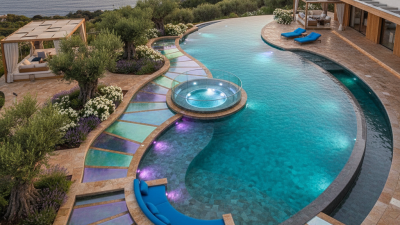
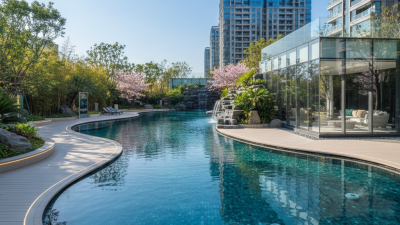
When designing a swimming pool for your backyard, aesthetics play a significant role in enhancing your outdoor space. Choosing the right shape, color, and materials can transform your garden into a serene oasis. According to a report by the National Association of Realtors, 63% of real estate agents believe that a well-designed pool can increase a home's value. Thus, making an aesthetically pleasing choice is not just about beauty; it's an investment.
Consider integrating natural elements, such as rocks or plants, to blend the pool with the environment. The 2022 Pool & Spa Industry report emphasizes that pools that incorporate natural designs appeal to buyers. Furthermore, the report indicates a growing trend toward infinity pools and freeform designs, which can create a visually stunning effect. These choices, however, may require careful planning and expertise to execute effectively.
Lighting is another key element to consider. Proper lighting enhances the visual appeal at night and creates a mood. The right illumination can highlight the water's surface, making it sparkle invitingly. However, it’s essential to think about energy efficiency, as some lighting options can significantly increase energy costs. A balance between aesthetics and practicality is crucial for long-term satisfaction. Each design choice should reflect your style while considering maintenance and functionality.

 Contianer Toilet