2026 Best Affordable Container Homes for Budget Friendly Living Options?
As the demand for sustainable and affordable living grows, "Affordable Container Homes" are gaining popularity. Renowned architect and container home expert, John Smith, emphasizes, "Container homes offer an innovative solution for budget-conscious buyers." These homes combine sustainability with modern living, making them appealing to a wide audience.
In 2026, various designs and styles are emerging in the container home market. Affordable Container Homes provide a creative way to address housing shortages while being eco-friendly. Despite the many benefits, some potential buyers may question the durability and comfort of these structures. It is essential to research and consider both positive aspects and potential drawbacks.
Affordable Container Homes can cater to diverse needs. Families, singles, and retirees can find suitable options. However, the choice of materials and climate considerations must be evaluated. Building a home from repurposed containers can lead to unexpected challenges and may require careful planning and adjustments. These factors contribute to the overall appeal and intricacies of choosing an affordable container home.
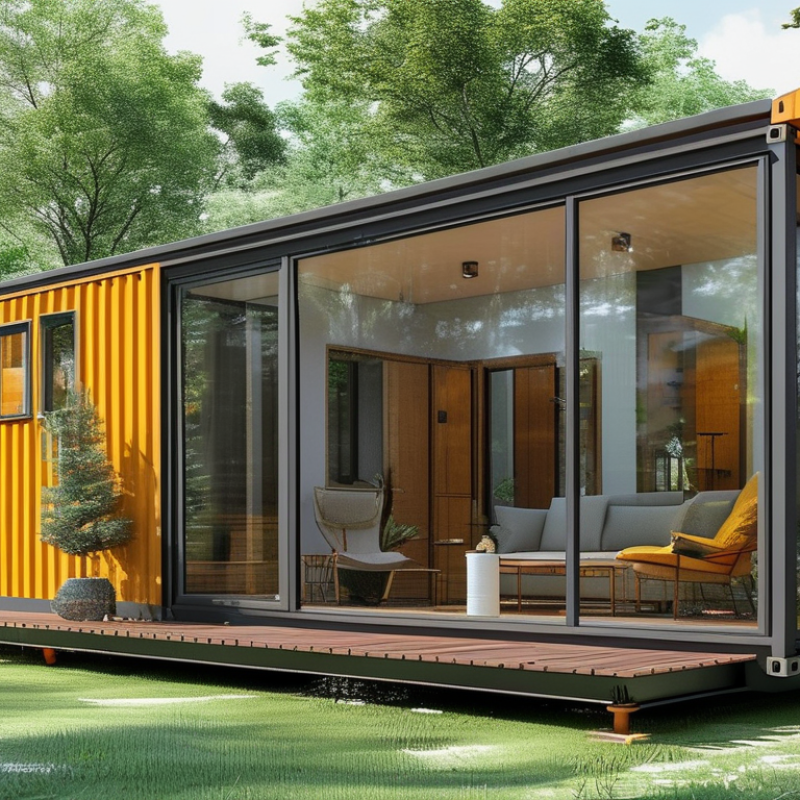
The Rise of Container Homes: A Cost-Efficient Housing Solution
The rise of container homes is transforming the housing landscape. With the global housing crisis, these innovative structures provide a cost-efficient solution. According to a report by the Container Housing Industry Association, building a container home can save up to 50% compared to traditional home construction. This makes them an attractive option for budget-conscious individuals.
Container homes are not just affordable; they are also eco-friendly. Utilizing recycled materials reduces waste and lessens carbon footprints. A study from the Green Building Council states that the construction of such homes can reduce energy consumption by 40% compared to standard homes. However, challenges exist. Regulations can vary widely, and obtaining permits may complicate the process.
Flexibility in design is another key benefit. Homeowners can customize their spaces according to personal preferences. However, making these spaces truly livable requires careful planning. Insulation, plumbing, and ventilation need attention. Skipping these details can lead to uncomfortable living conditions. Proper research and professional guidance are crucial in overcoming these hurdles effectively.
Key Factors Driving the Affordable Container Home Trend in 2026
The affordable container home trend is surging in 2026 due to several driving factors. Rising housing costs, particularly in urban areas, push many to seek budget-friendly alternatives. According to a recent study by the National Association of Home Builders, container homes can be built for approximately 30% less than traditional homes. This economic appeal resonates with both millennials and retirees looking for sustainable living options.
Environmental concerns also play a significant role. Container homes promote recycling and reduce waste, aligning with a growing desire for eco-conscious living. A report from the International Energy Agency highlights that using repurposed materials cuts construction energy consumption by up to 70%. Many individuals are drawn to the unique aesthetic of these homes, which can blend modern design with functionality.
However, there are challenges to consider. Building codes can complicate the container home journey. Some areas impose strict regulations limiting their use. Buyers must navigate local laws carefully. Additionally, insulation and ventilation in container homes can pose issues. While many enjoy the minimalist lifestyle, it may not suit everyone's needs. Balancing cost, aesthetics, and comfort remains a critical reflection for potential container home owners.
Comparative Analysis of Container Houses vs. Traditional Homes Costs
Container homes are gaining traction as an affordable alternative to traditional housing. According to a report from the National Association of Home Builders, the average cost of a new single-family home is approximately $350,000. In contrast, a container home can be built for as little as $10,000, depending on size and design.
When comparing costs, it’s important to consider the many variables. Land, permits, and utilities add to expenses. Container homes can still be cheaper, often requiring less land due to their compact size. However, they may face zoning challenges in some areas. Additionally, the quality of insulation and customization can impact long-term savings.
Tip: Research local zoning laws and building codes before starting your container home project. This can save you time and money.
Container homes often lack the durability of traditional houses. They can be vulnerable to weather if not properly sealed. A thorough inspection and good design can address many of these issues.
Tip: Consider features that enhance durability, like high-quality paint and better insulation materials. This can help maximize the lifespan of your investment.
Sustainability in Container Homes: Environmental Impact and Benefits
Container homes are gaining popularity for their affordability and sustainability. These homes can significantly reduce the carbon footprint. The use of repurposed materials minimizes waste, making them an eco-friendly option. Many people are unaware that traditional construction methods often contribute to excess waste. Container homes help address this issue directly.
Sustainability in container living involves more than just materials. Energy-efficient designs can be incorporated into these homes. Solar panels, for example, can power essential appliances. Furthermore, proper insulation can help maintain comfortable temperatures. While the initial cost may be lower, ongoing energy savings can add financial benefits over time.
There are concerns, though. Some may ask if container homes truly offer adequate insulation and ventilation. Others worry about the long-term viability of such structures. It is crucial to consider local regulations regarding container homes. Not every area embraces this alternative housing approach. These challenges highlight the need for careful planning and awareness when choosing container living.
Top Companies Offering Cost-Effective Container Homes in 2026
The housing market continues to shift, pushing many toward alternative living solutions. Container homes have emerged as an appealing option for those seeking budget-friendly living. In 2026, the demand for these structures is projected to increase by 25%. This change reflects growing awareness of sustainability and cost-effectiveness in housing.
When exploring affordable container home options, several companies are leading the charge. Recent industry reports highlight that the average cost of a container home ranges from $10,000 to $50,000, depending on size and customization. This range offers flexibility for different budgets. Notably, many companies offer modular designs that can be expanded or modified easily. However, potential buyers should be aware of zoning regulations and installation complexities that may arise.
Despite their appeal, container homes aren't without challenges. Insulating these homes properly can be difficult. Additionally, concerns around moisture control and ventilation require careful planning. Homeowners need to invest in proper solutions to avoid issues down the line. The excitement of container living comes with these realities, making it essential to conduct thorough research and reflect on choices before diving in.
2026 Best Affordable Container Homes for Budget Friendly Living Options
| Model Type |
Size (sq ft) |
Estimated Cost (USD) |
Features |
Eco-Friendly |
| Single Container |
160 |
$15,000 |
Open Floor Plan, Kitchenette |
Yes |
| Double Container |
320 |
$28,000 |
2 Bedrooms, Living Area |
Yes |
| Multi-Container Setup |
480 |
$50,000 |
3 Bedrooms, 2 Baths |
Yes |
| Container Cabin |
300 |
$35,000 |
Rustic Design, Porch |
Yes |
| Luxury Container Home |
400 |
$70,000 |
High-End Finishes, Solar Panels |
Yes |

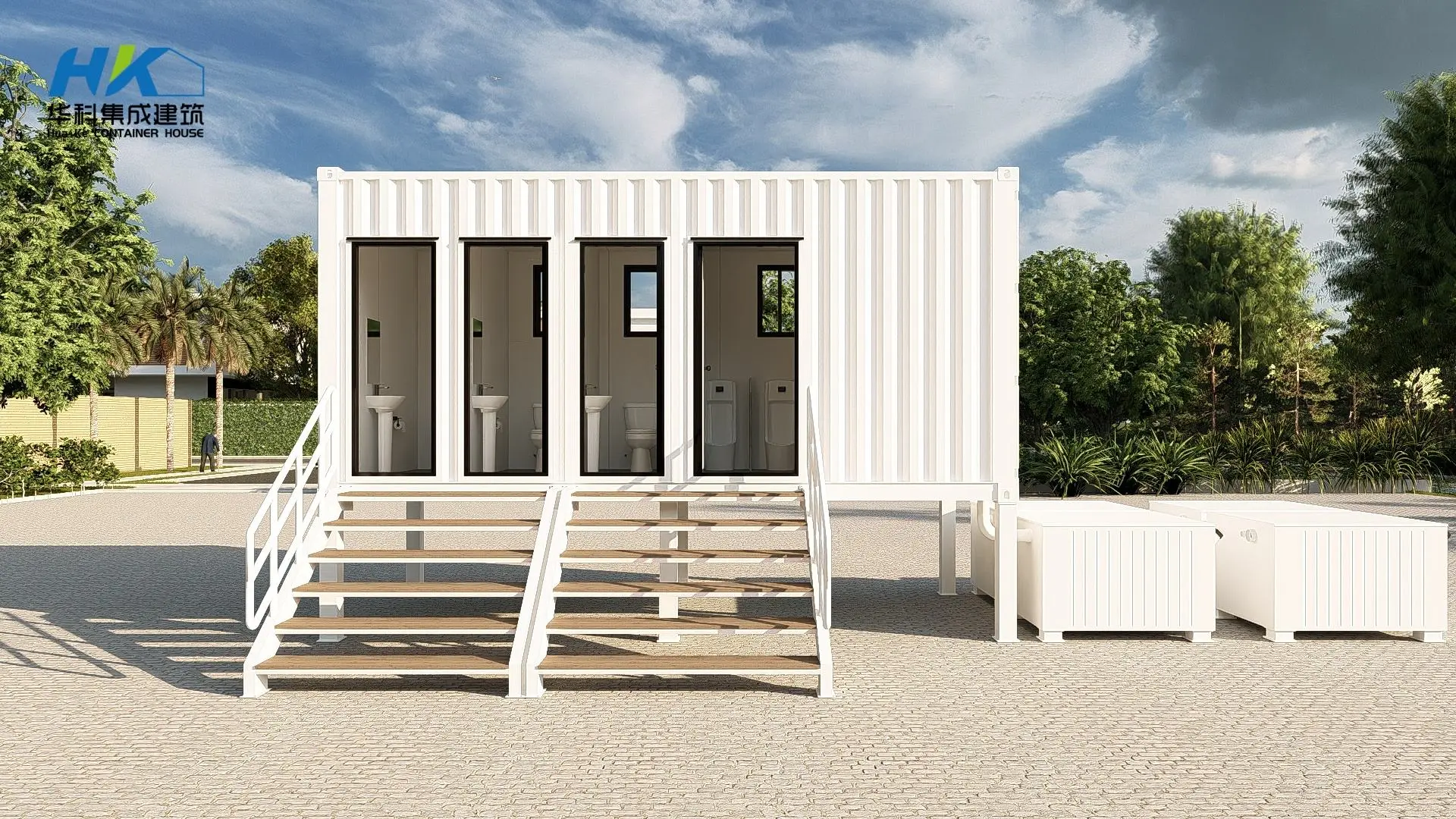 Contianer Toilet