Top Modular House Designs for Modern Living Spaces Today?
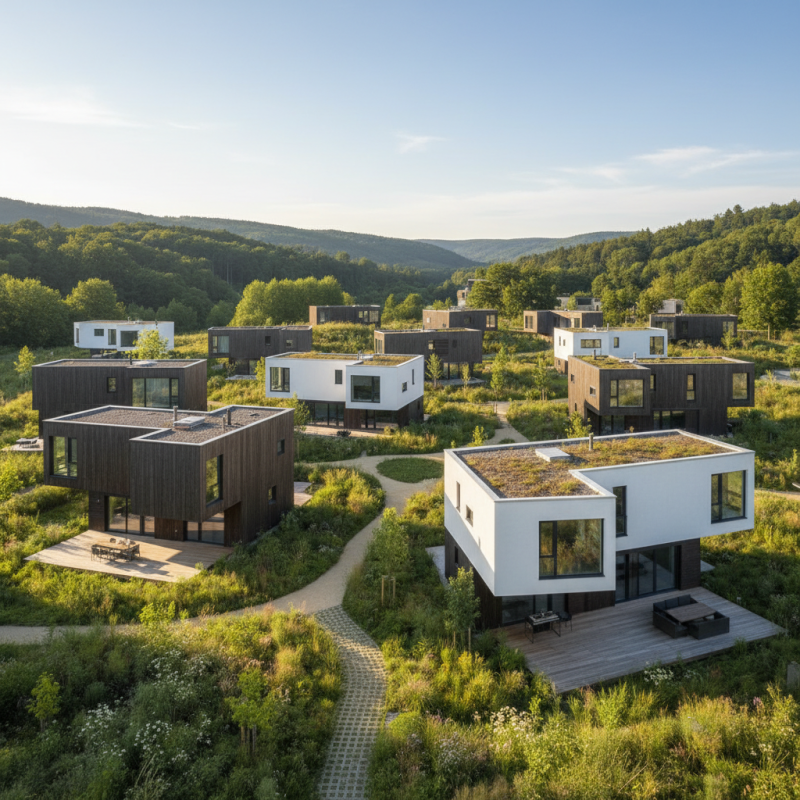
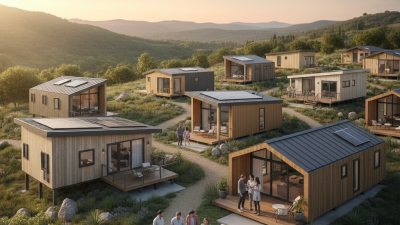
In recent years, the demand for Modular Houses has surged. These homes offer flexibility and efficiency, catering to modern living needs. Modular construction allows for quicker build times and reduced waste, which appeals to environmentally conscious buyers.
However, some may question the aesthetics of modular designs. Criticism exists about limited customization options. While many modular houses look uniform, innovative designs now challenge this notion. Architects are crafting stunning modular solutions that blend style with function.
Consider the potential downsides too. Not all modular builds can match traditional homes in quality. Buyers must research reputable manufacturers. Understanding these aspects is essential in navigating the modular housing landscape. Despite imperfections, modular houses promise a unique and practical living experience.
Innovative Features of Modern Modular House Designs
Modern modular house designs are reshaping how we think about living spaces. Their innovative features play a crucial role in enhancing comfort and efficiency. According to a report by the Modular Building Institute, modular construction can reduce building time by up to 50%. This efficiency translates to cost savings and a smaller carbon footprint.
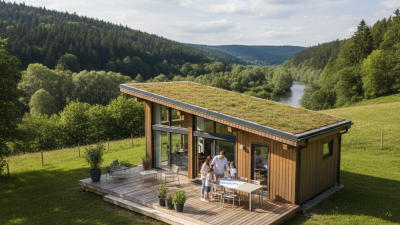
One standout feature is the sustainable materials used in these homes. Many designs incorporate recycled or eco-friendly materials, promoting environmental responsibility. Energy-efficient systems, like solar panels and advanced insulation, are common. This combination can lead to savings of up to 30% on energy bills. However, not all modular homes achieve this potential. The design must be executed meticulously to avoid inefficiencies.
Customization is another critical aspect. Homebuyers can tailor layouts to fit their lifestyle needs. This flexibility is attractive but can also lead to design complexities. Poor planning might result in wasted space or functionality issues. A proper balance between aesthetics and practicality is essential for success. Overall, modern modular homes offer a forward-thinking approach to living spaces.
Top Modular House Designs for Modern Living Spaces Today
This chart represents various innovative features of modern modular house designs, showcasing their popularity based on consumer feedback and preferences.
Sustainable Materials and Their Impact on Modular Homes
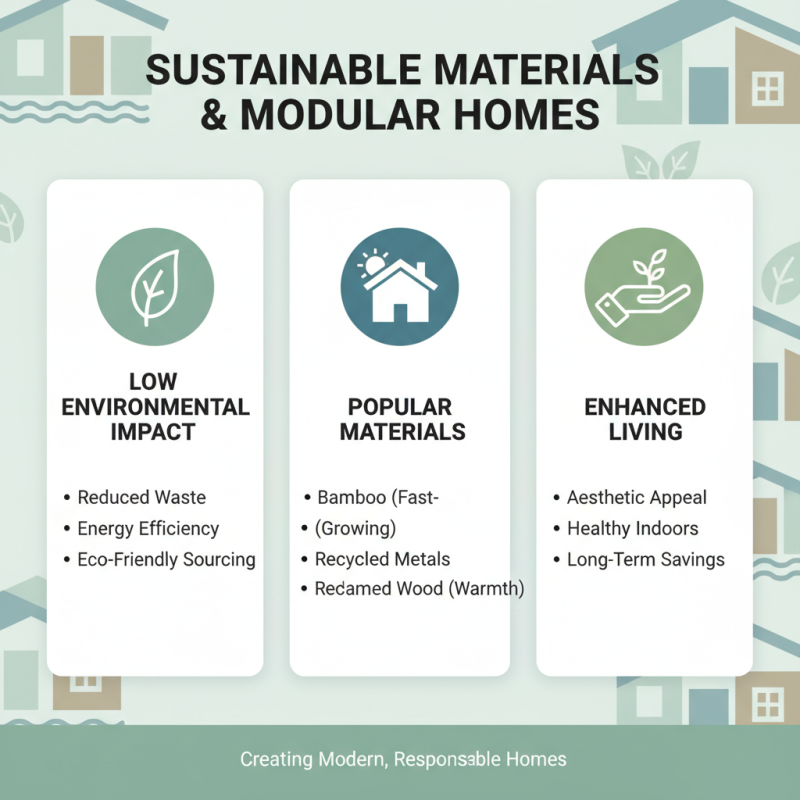
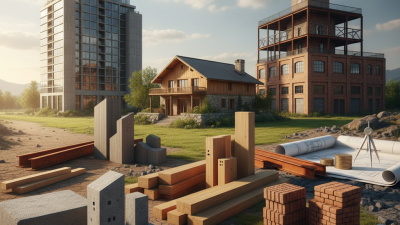
When it comes to modular homes, the choice of materials is critical. Sustainable materials are gaining popularity for their low environmental impact. Wood, bamboo, and recycled metals are often used. These materials not only reduce waste but also enhance the overall aesthetic appeal. They can create a warm and inviting atmosphere, perfect for modern living spaces.
Yet, the use of sustainable materials is not without challenges. Cost can be a significant factor. While eco-friendly options may seem pricier upfront, long-term savings are a possibility. Understanding the lifecycle of materials can lead to more informed choices. However, we must also consider durability. Some sustainable options might require more maintenance. Homeowners should reflect on their choices carefully.
Moreover, sustainable design often leads to energy efficiency. Proper insulation and orientation are essential for maximizing benefits. But achieving the right balance can be tricky. It’s important to align design goals with sustainable practices. Many families are attracted to this lifestyle, yet the reality of implementation can fall short of expectations. In the end, pursuing sustainable materials requires a commitment to ongoing learning and adaptation.
Space-Saving Solutions in Contemporary Modular Living
In contemporary living, space is often at a premium. Modular houses have emerged as a popular solution for maximizing limited areas. These designs prioritize efficiency, offering multi-functional spaces that cater to modern lifestyles.
Living rooms can transform into guest rooms. Kitchen islands can double as dining areas. This versatility is key for urban dwellers.
While modular homes promote space-saving, challenges can arise. For instance, limited square footage may restrict design choices. Opening up space often means sacrificing storage. Creative solutions like built-in shelves or under-bed storage are essential. Additionally, mismatched aesthetics can lead to a cluttered look. The balance between functionality and style requires thoughtful planning. Modular living demands innovation but also invites reflection on personal needs and preferences.
Popular Architectural Styles in Modular Home Design
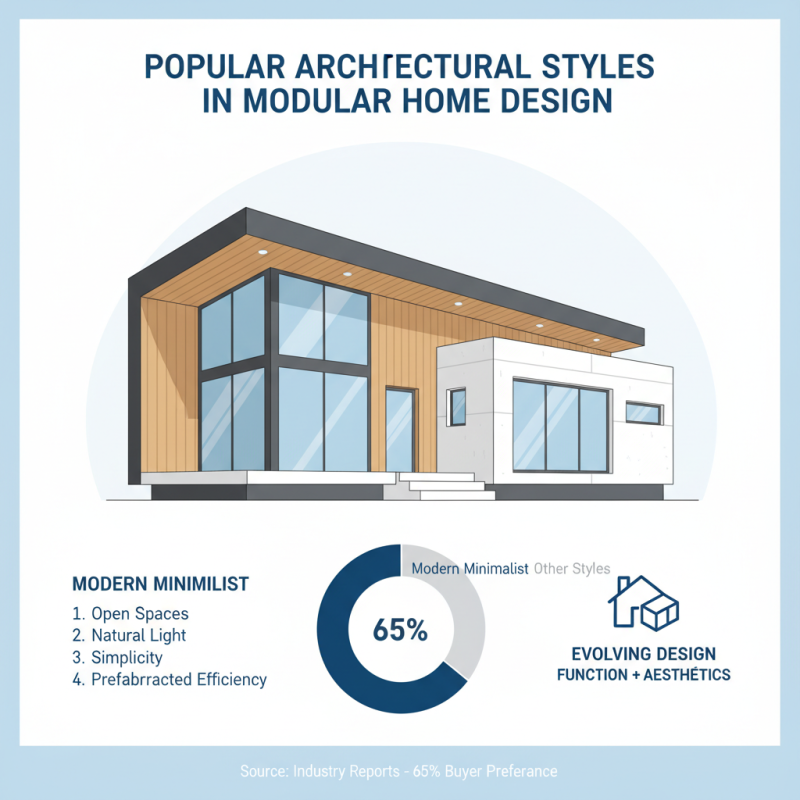
Modular home designs are rapidly evolving to reflect contemporary preferences. Popular architectural styles now combine functionality with aesthetic appeal. The modern minimalist style is a favorite. It emphasizes open spaces, natural light, and simplicity. This can be seen in many modular homes today. According to industry reports, approximately 65% of buyers prefer a minimalist approach in design.
Another architectural trend is the industrial style. It features raw materials like steel and wood. This style creates an authentic, urban feel. Many buyers appreciate the rugged charm it offers. Statistics show that around 45% of new homeowners are drawn to this design. However, incorporating such materials can sometimes lead to challenges. For example, insulation can be an afterthought in industrial designs.
Sustainable design is increasingly important. Buyers want eco-friendly options. Modular homes can utilize recycled materials and energy-efficient systems. Yet, not all builders incorporate sustainable practices effectively. Some may overlook crucial features like proper insulation or energy-efficient windows. This gap highlights the need for continued innovation in modular home design. The aesthetic choices are important, but functionality is key.
The Future of Modular Housing in Urban Environments
The future of modular housing in urban environments is promising yet complex. According to recent industry reports, the modular housing market is expected to grow by 6% annually through 2025. This growth reflects shifting preferences for sustainability and efficiency. Urban areas are grappling with space and affordability issues. Modular homes can address these challenges efficiently.
These homes are built off-site and assembled on location. This method reduces waste and shortens construction time. However, customization options can sometimes be limited. Residents often find themselves choosing from pre-designed layouts rather than creating their ideal space. Reports indicate that 30% of potential home buyers express concerns about this lack of personalization.
Moreover, integrating modular homes into the urban landscape presents unique challenges. Zoning regulations can hinder placement. Cities may be slow to adapt to this innovative model, which may lead to tensions with local communities. A significant number of developers have acknowledged these obstacles. They emphasize the need for collaboration with urban planners. Awareness of such limitations is crucial for the future success of modular housing. The journey is complex, yet the potential benefits for urban living are vast.

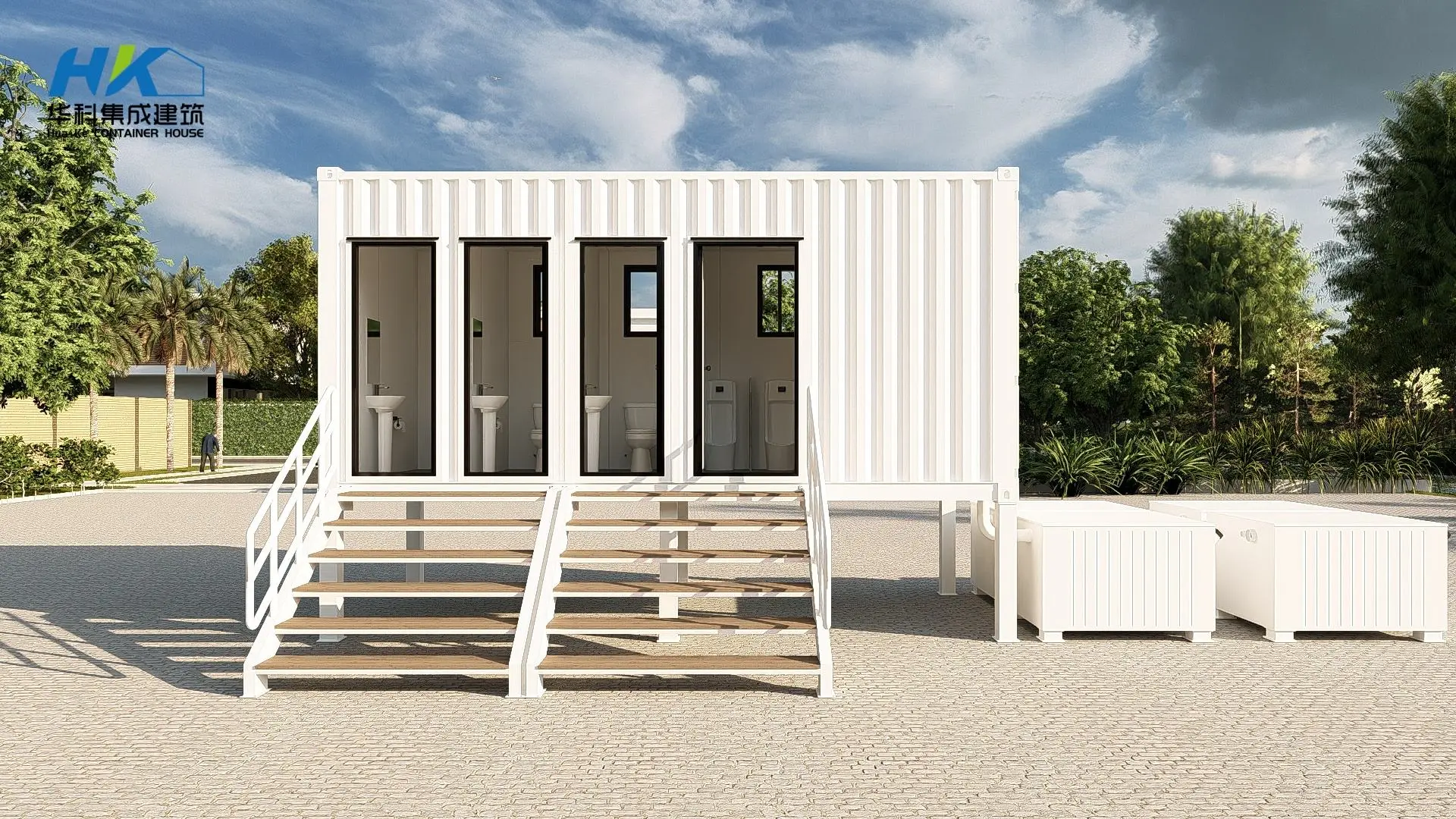 Contianer Toilet