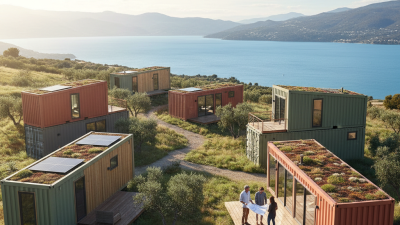
How to Build a Container House Step by Step指南吗
Building a Container House has gained popularity in recent years. This innovative approach offers affordable housing solutions. Experts in the field emphasize the importance of intentional design and planning. Mark Wilson, a leading architect in sustainable housing, states, "The future of housing is flexible, and container homes exemplify this vision."
Container Houses are versatile and can be customized to meet various needs. They require careful consideration of location, insulation, and layout. Many people underestimate the challenges involved in this process. Creativity and resourcefulness are key. Each project might contain unexpected hurdles, demanding critical thinking and adaptability.
Moreover, the building process can be imperfect. Issues like structural integrity and weatherproofing often require hands-on problem-solving. Reflecting on these experiences is crucial for growth. A Container House can symbolize more than just a living space; it embodies resilience and innovation in modern architecture.
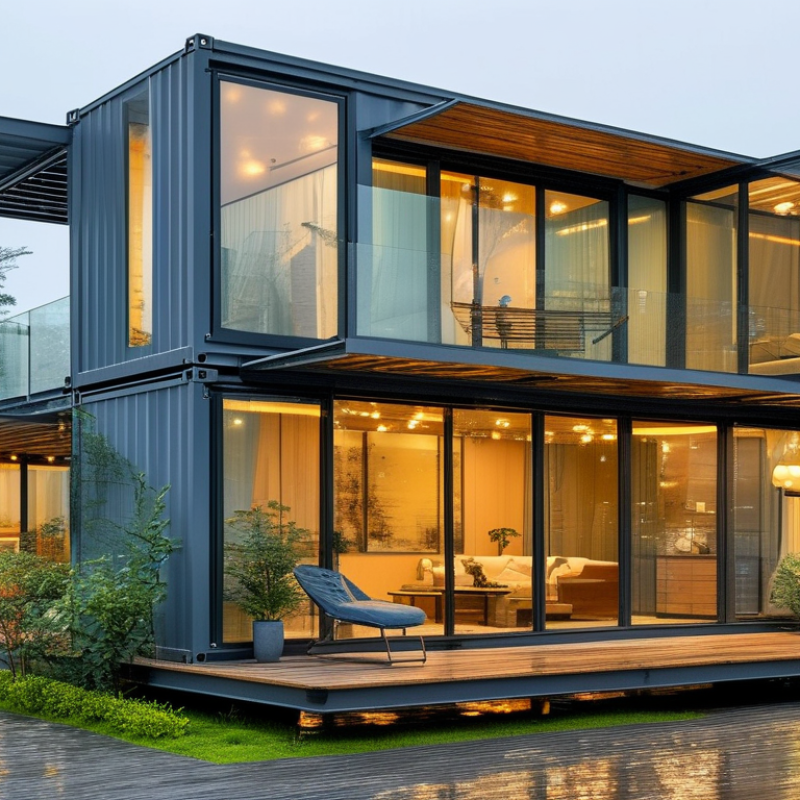
Understanding Container Homes: Benefits and Market Trends
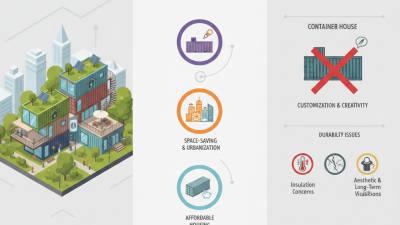
Container homes have gained popularity due to their numerous benefits. They are affordable and eco-friendly, presenting a sustainable housing option. The flexibility in design allows owners to customize their living spaces effectively. These homes can be built quickly, significantly reducing construction time compared to traditional houses.
Market trends indicate a growing acceptance of container homes. Many urban areas face housing shortages, making these structures an appealing solution. However, buyers should be cautious. Not all container homes are designed with optimal insulation or ventilation, which can lead to issues. Research is essential to avoid potential pitfalls.
The resale value of container homes can fluctuate based on location and market demand. Some people appreciate their unique structure, while others prefer conventional homes. Understanding local building codes is vital. It can impact the feasibility of your project. This requires careful planning and sometimes, revisions.
Choosing the Right Shipping Containers for Your Project
Choosing the right shipping containers for your project is crucial. Begin by assessing the purpose of your container house. Are you creating additional living space, an office, or a guest house? This decision will guide you in selecting the best container size and type. Consider standard dimensions, such as 20-foot and 40-foot containers. Each size has its advantages and limitations.
Next, inspect the condition of the containers carefully. Look for structural integrity, rust, and other damages. Even minor flaws can lead to significant problems later. Remember, a well-maintained container is more cost-effective in the long run. Your goal is to ensure it can withstand the elements.
Think about insulation and energy efficiency as well. Some containers come with built-in insulation, while others may require retrofitting. Plan for ventilation and heating to enhance comfort. It's easy to overlook these details, but they are essential for a livable space. Each choice impacts the overall functionality and livability of the container house. Balancing aesthetics with practicality is a challenge, but it is key to a successful project.
Designing Your Container Layout: Essential Considerations
Designing your container house layout requires careful planning and consideration. Studies show that a well-designed layout can enhance comfort and functionality. Start by assessing the available space. Each container typically measures 20 or 40 feet long, so evaluating dimensions is critical. Consider how many rooms you need and the flow of movement. Open floor plans often create a sense of spaciousness.
When it comes to arranging living areas, functionality should be a priority. Create zones for cooking, sleeping, and socializing. This approach fosters a cohesive living space. Additionally, optimizing natural light can dramatically improve your container's ambiance. Use large windows intentionally, maximizing views and sunlight.
Tip: Before finalizing your design, sketch various layouts. This process can help visualize different arrangements. Don’t be afraid to adjust your plan based on feedback. Engaging with professionals can provide fresh insights. According to industry reports, flexibility in design increases satisfaction among homeowners. Gathering multiple perspectives may lead you to rethink your initial choices.
Note the importance of insulation and ventilation in your layout. Poorly designed systems can lead to discomfort. Balancing aesthetics and functionality is crucial for a successful container home. Ensuring each area serves a purpose will create a more livable environment.
Foundation and Site Preparation: Key Steps in Construction
Foundation and site preparation are crucial steps in building a container house. The foundation supports the entire structure. It must be level and capable of bearing the weight of the containers. According to the International Code Council (ICC), a well-designed foundation system can significantly enhance stability. Many builders opt for a concrete slab. It ensures durability and helps in moisture management.
Site preparation involves more than just clearing the land. It includes grading to ensure proper drainage. Poor drainage can lead to significant issues, impacting the integrity of the house. Reports indicate that over 20% of construction defects stem from inadequate site preparation. This statistic highlights the importance of getting it right the first time. Failing to plan for these factors can lead to costly repairs later.
Soil testing is another essential step. Testing informs builders about the soil’s load-bearing capacity. If overlooked, weak soil can lead to foundation failure. A Virginia Tech study found that improper soil assessment contributed to over 30% of foundation-related issues. Investing time and resources into these foundational steps can prevent headaches down the road. Each aspect of preparation can lead to a more secure and durable container home.
How to Build a Container House Step by Step - Foundation and Site Preparation: Key Steps in Construction
| Step |
Description |
Materials Needed |
Estimated Time |
| 1 |
Select a suitable site and obtain necessary permits. |
Land survey, building permits |
1-2 weeks |
| 2 |
Clear the site and prepare the foundation. |
Excavator, gravel, concrete |
2-3 days |
| 3 |
Lay out the foundation according to design specifications. |
Tape measure, string, stakes |
1 day |
| 4 |
Pour concrete and allow to cure. |
Concrete mix, mixer, water |
3-7 days |
| 5 |
Install drainage systems to divert water away from the foundation. |
Drainage pipes, gravel |
2 days |
Sustainable Practices in Container House Construction
Constructing a container house is an innovative way to merge modern living with sustainable practices. Using repurposed shipping containers reduces waste and cuts down on the carbon footprint associated with traditional building materials. These structures often have a metal shell, which can be energy efficient but also requires thoughtful insulation to maintain comfortable temperatures. Selecting the right insulation material is vital for sustainability, yet it's an aspect that many overlook.
Windows and doors play crucial roles in energy conservation. Opting for high-efficiency models minimizes heat loss. However, installation can sometimes lead to unintended leaks if not done correctly. This requires careful planning. Rainwater harvesting systems also enhance sustainability. They collect water and reduce dependency on municipal sources. Yet, installation can present challenges, such as ensuring proper filtration and storage to avoid contamination.
Deciding on renewable energy sources, like solar panels, is another critical step. These systems provide energy and lower utility costs over time. Though, initial costs can be high, and maintenance must be considered. Each element of your container home should align with sustainable principles, but it's essential to reflect on the balance between cost, efficiency, and practicality as you navigate these choices.
Container House Construction Practices
This bar chart illustrates the estimated time in weeks required for various stages of constructing a container house, emphasizing sustainable practices.

 Contianer Toilet