2026 Best Affordable Container Homes for Sustainable Living?
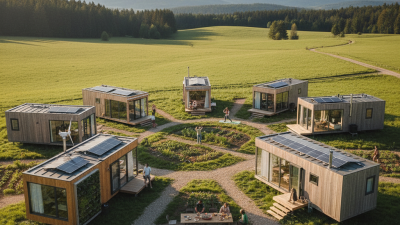
In recent years, the trend of Affordable Container Homes has surged. These innovative living solutions are appealing due to their cost-effectiveness and environmental benefits. According to a report by the Container Home Association, the market for container homes is expected to grow by 15% annually through 2026. This rise highlights the increasing interest in sustainable living.
Expert James Holloway, a leading voice in sustainable housing, emphasizes the importance of this trend. He states, "Affordable Container Homes not only provide shelter but also promote a lifestyle that prioritizes sustainability and minimalism." This perspective resonates with many who seek simpler, more efficient living options.
Despite their advantages, Affordable Container Homes face challenges. Zoning laws and building codes can complicate the process. Potential homeowners must navigate these obstacles carefully. Additionally, while many appreciate the aesthetic of shipping containers, some may struggle with insulation and durability issues. As this industry evolves, continual reflection and improvement are essential for meeting diverse housing needs.
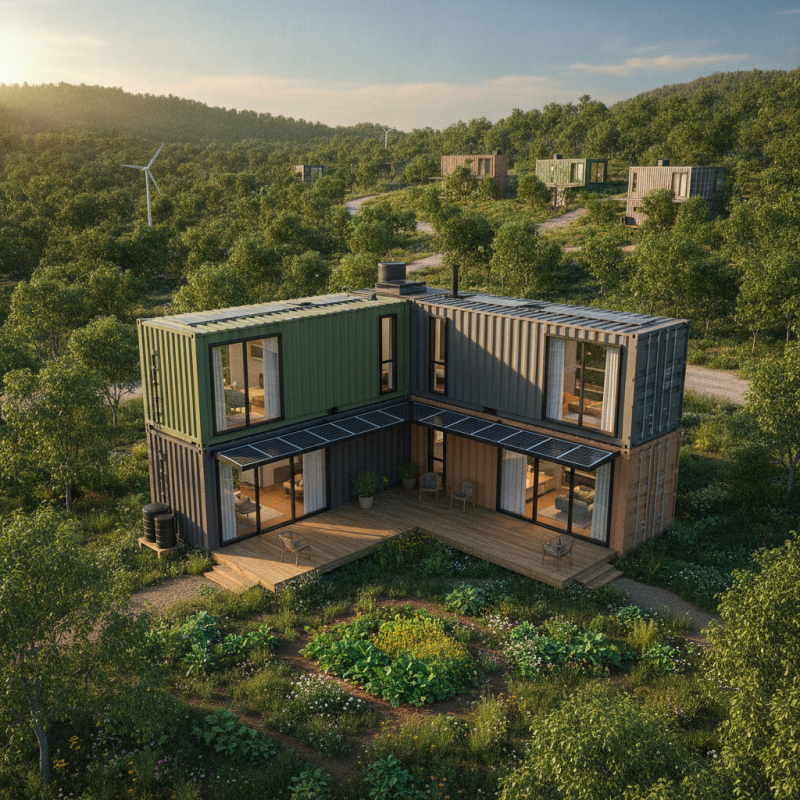
Overview of Container Homes as Sustainable Housing Solutions
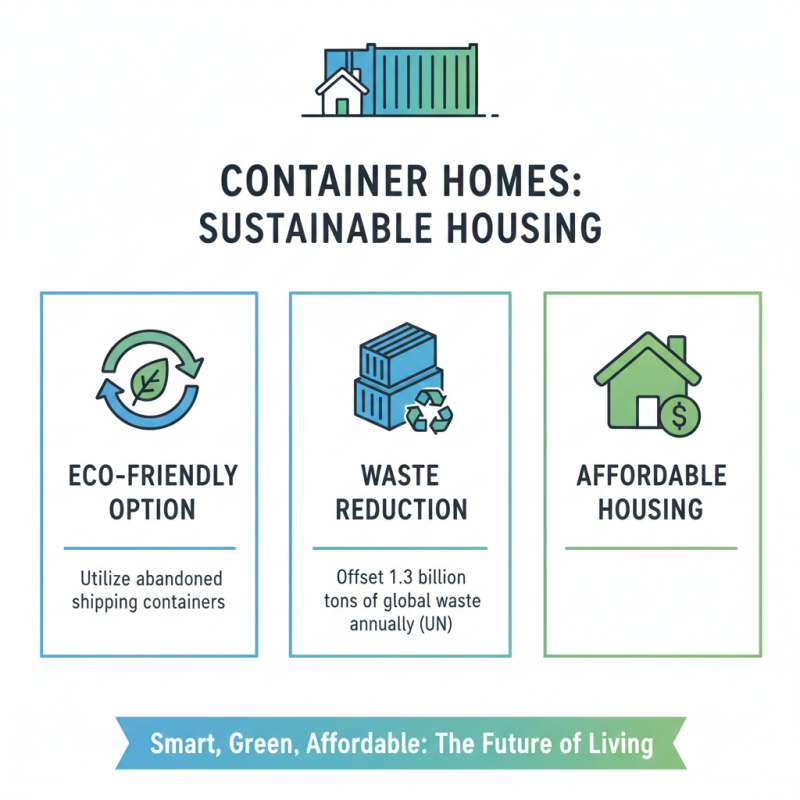
Container homes are gaining traction as a solution for sustainable living. They offer an eco-friendly option, utilizing abandoned shipping containers that would otherwise contribute to waste. The UN reports that around 1.3 billion tons of food waste are generated globally each year. Repurposing these containers can help offset that waste while providing affordable housing.
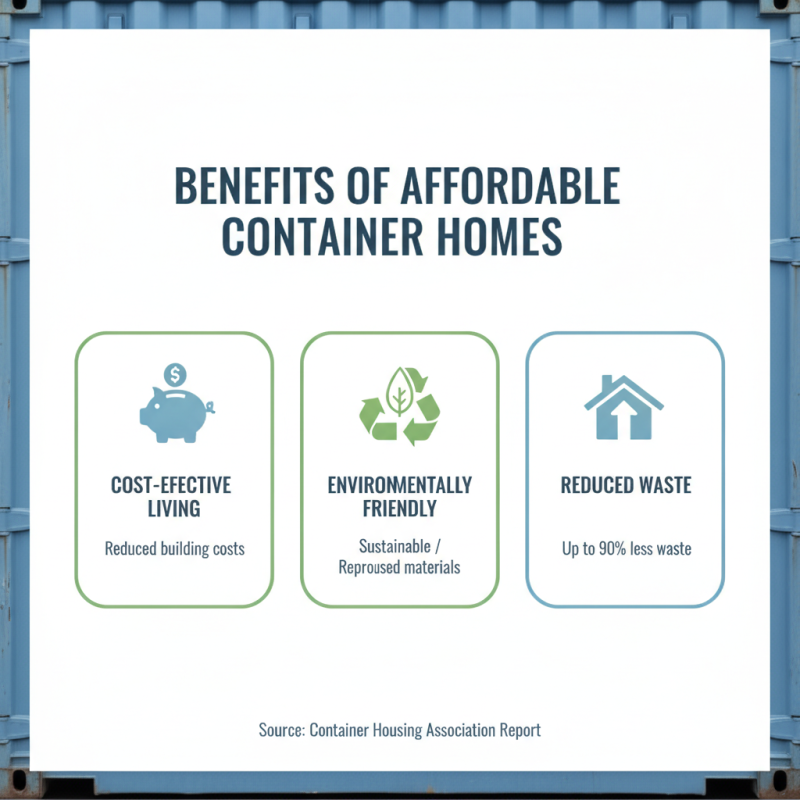
On average, a container home costs about 30% less than traditional construction. The Environmental Protection Agency emphasizes that the average American home consumes around 29% of total energy use. Container homes can significantly reduce energy needs. Their design allows for natural insulation, which minimizes heating and cooling costs. Adopting these homes can lead to a smaller carbon footprint and align with increasing demands for sustainable practices.
However, challenges remain. Some builders cite zoning regulations that complicate container home projects. Others report issues with insulation and moisture control, which can lead to long-term problems. Despite these drawbacks, they remain a viable option for many looking to embrace sustainability. Container homes reflect the growing shift towards innovative, eco-friendly living solutions.
Top Features of the Best Container Homes for Eco-Friendly Living
Container homes have surged in popularity as sustainable living solutions. They offer an economical way to embrace eco-friendly lifestyles. According to the World Green Building Council, these homes can reduce energy consumption by up to 30%. That statistic stands out and highlights the efficiency of container structures.
One standout feature is their adaptability. Container homes utilize recycled shipping containers, which minimizes waste. This approach not only supports recycling initiatives but also sidesteps traditional construction materials, which have larger carbon footprints. A 2021 report by the International Energy Agency noted that construction and demolition waste accounted for 30% of global waste. Container homes directly address this issue.
Yet, there are challenges. Insulation can be tricky due to the metal structure. Homeowners often face issues with temperature control—making insulation key for comfort. Moreover, local zoning laws may complicate the building process, adding to the timeline and expenses. Despite these hurdles, many still find container homes a rewarding investment for sustainable living.
2026 Best Affordable Container Homes for Sustainable Living
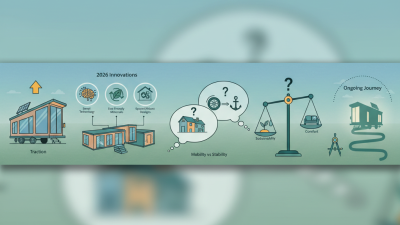
This chart illustrates the key features of the best affordable container homes for sustainable living in 2026. It highlights their cost, size, eco-friendly features, and durability, providing insights into their viability as eco-conscious housing options.
Comparative Analysis of Cost: Container Homes vs. Traditional Houses
When considering the cost of container homes versus traditional houses, affordability shines through. Container homes can often be built for 30% to 50% less than traditional houses. This significant price difference attracts many looking for sustainable living options. Additionally, local building regulations can impact overall costs. It’s essential to factor in permits and site preparation expenses when budgeting.
Tips: Research your location’s zoning laws before purchasing a container home. Certain areas may have restrictions on container use. Also, consider resale value; container homes might not appreciate like traditional houses. Understand that these homes can require unique financing options.
Many appreciate the eco-friendly aspect of container homes. However, insulation and utility installation can lead to unexpected costs. It's crucial to consult with professionals who specialize in container construction. They can provide insights on long-term durability and energy efficiency. Remember, every choice comes with trade-offs. Balancing initial savings with future expenses is vital for a sustainable investment.
2026 Best Affordable Container Homes for Sustainable Living
| Aspect |
Container Homes |
Traditional Houses |
| Average Cost (per sq ft) |
$100 - $200 |
$150 - $300 |
| Construction Time |
1 - 3 months |
3 - 6 months |
| Energy Efficiency |
High |
Moderate |
| Maintenance Costs (per year) |
$500 - $1,000 |
$1,000 - $2,000 |
| Lifespan |
50+ years |
60+ years |
| Eco-Friendliness Rating |
Excellent |
Good |
Future Trends in Container Home Design and Sustainability Practices
The trend of container homes grows alongside sustainability practices in architecture. Reports indicate that the global green building market is expected to reach $364 billion by 2026. This shift emphasizes the importance of innovative materials and eco-friendly techniques.
Designing container homes involves using recycled materials. For instance, 80% of shipping containers are abandoned after their initial use. Architects are converting these steel boxes into energy-efficient housing. They commonly add solar panels and rainwater harvesting systems, reducing the ecological footprint. However, challenges remain. Not all containers are suited for home building, and modifications can be costly.
The future of container homes lies in better modular designs. Prefabricated options offer efficiency but may compromise durability. Designers must balance aesthetics with practicality. As more people seek affordable housing, the industry must reflect on its growth and address potential environmental impacts. Creating sustainable communities requires ongoing innovation and responsible practices.

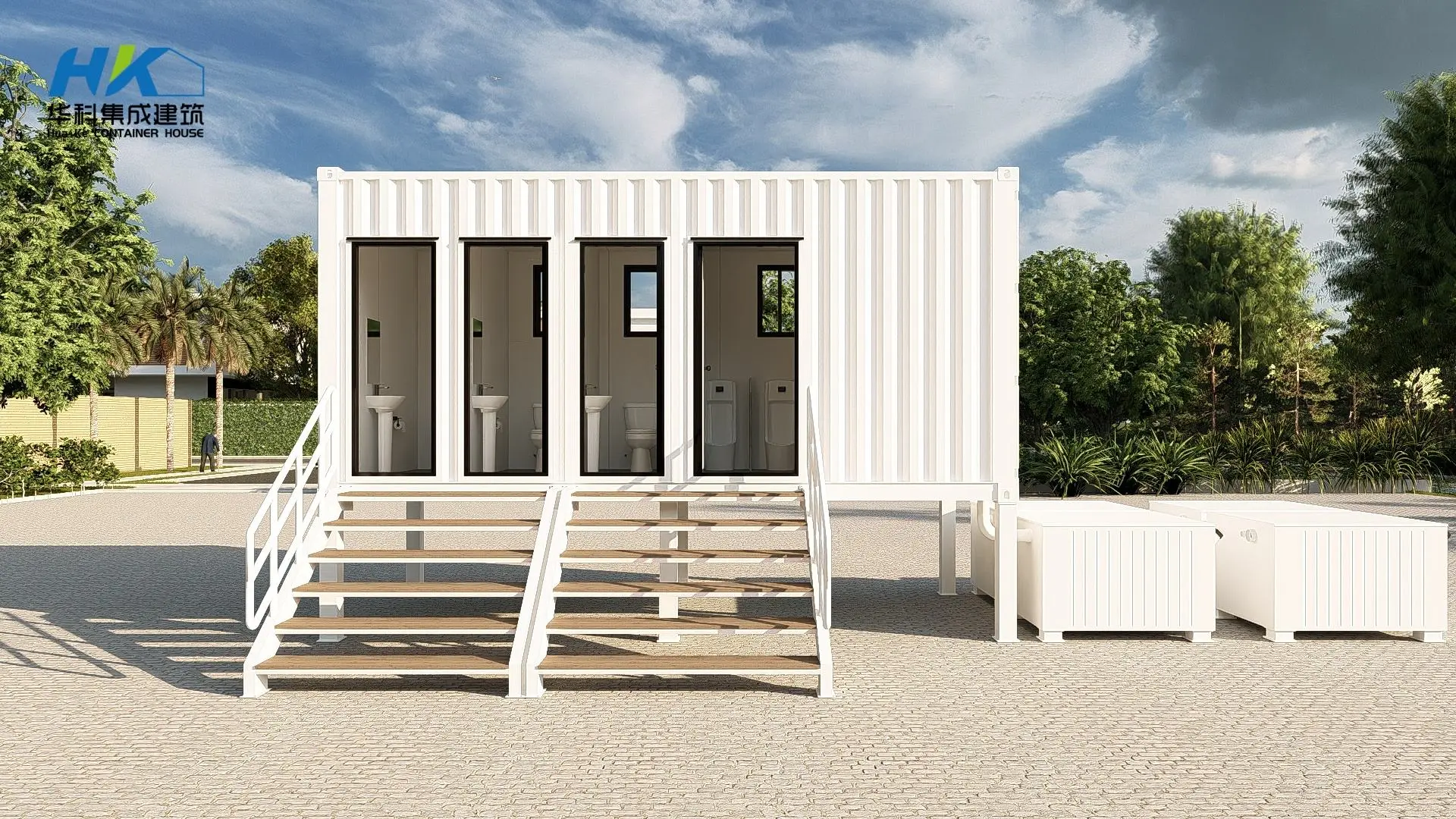 Contianer Toilet