10 Best Modular House Designs for Modern Living?
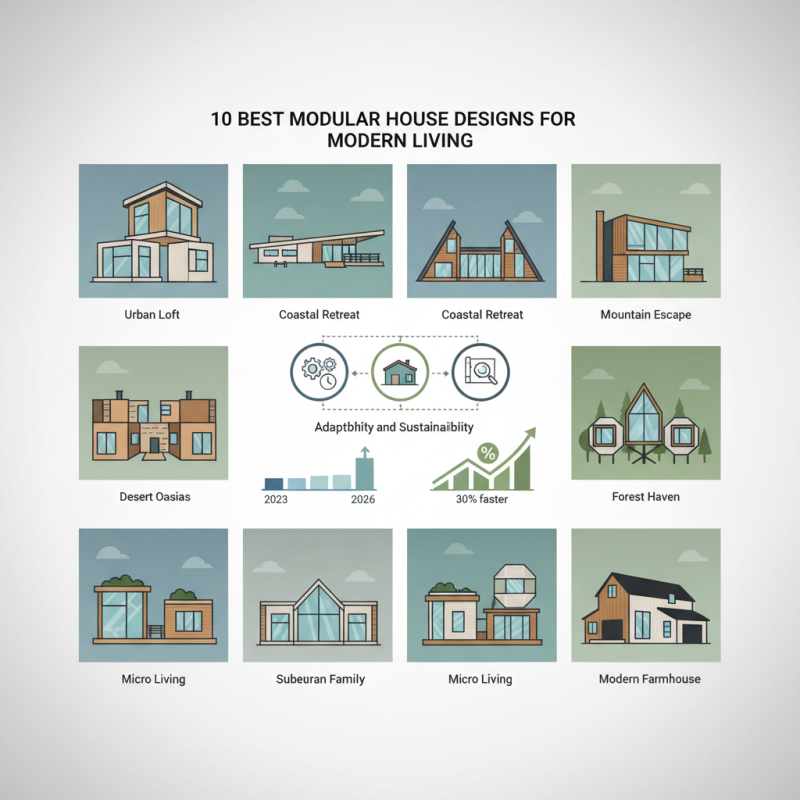
The rise of modular houses marks a significant shift in modern living. A recent report from the Modular Building Institute shows that the modular construction market is set to grow significantly. It is projected to reach USD 157 billion by 2026. This growth reflects an increasing demand for efficient housing solutions. Today’s world demands adaptability and sustainability, and modular houses meet these criteria.
Modular houses offer advantages in terms of speed and cost-effectiveness. They can be constructed 30% faster than traditional homes. However, some critics argue that they may lack the unique character of custom-built homes. These houses allow for innovative designs that cater to diverse lifestyles. Yet, potential owners should consider local regulations and site conditions, which can impact the overall experience.
The shift towards modular living is significant but not without challenges. Quality assurance remains a key concern for many consumers. Balancing efficiency with quality craftsmanship is crucial. As we explore the ten best modular house designs, we will reflect on their strengths and potential areas for improvement in enhancing modern living.
Overview of Modular Houses and Their Benefits
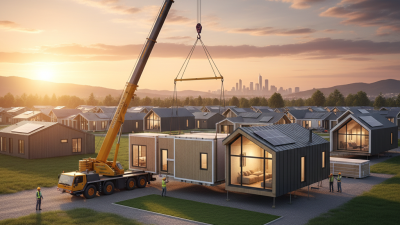
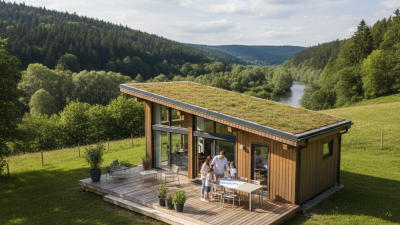
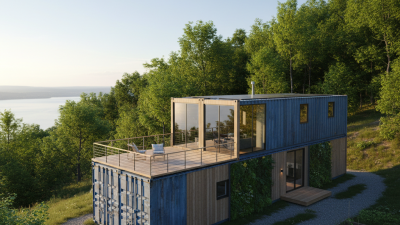
Modular houses are revolutionizing modern living. These homes are prefabricated in factories, ensuring consistency in quality. This construction method allows for quick assembly on-site. Homeowners can enjoy reduced construction time and costs. Many modular designs emphasize sustainability, utilizing eco-friendly materials. This often leads to lower energy bills and a reduced carbon footprint.
One practical aspect of modular houses is their versatility. They can be tailored to fit various lifestyles and preferences. From compact units to spacious family homes, options abound. However, there are challenges. Not all designs resonate with everyone. Some may feel confined in a smaller space. Additionally, zoning regulations can complicate site placements. Understanding local laws is crucial before proceeding. These homes offer significant advantages but require thoughtful consideration.
Key Features of Modern Modular House Designs
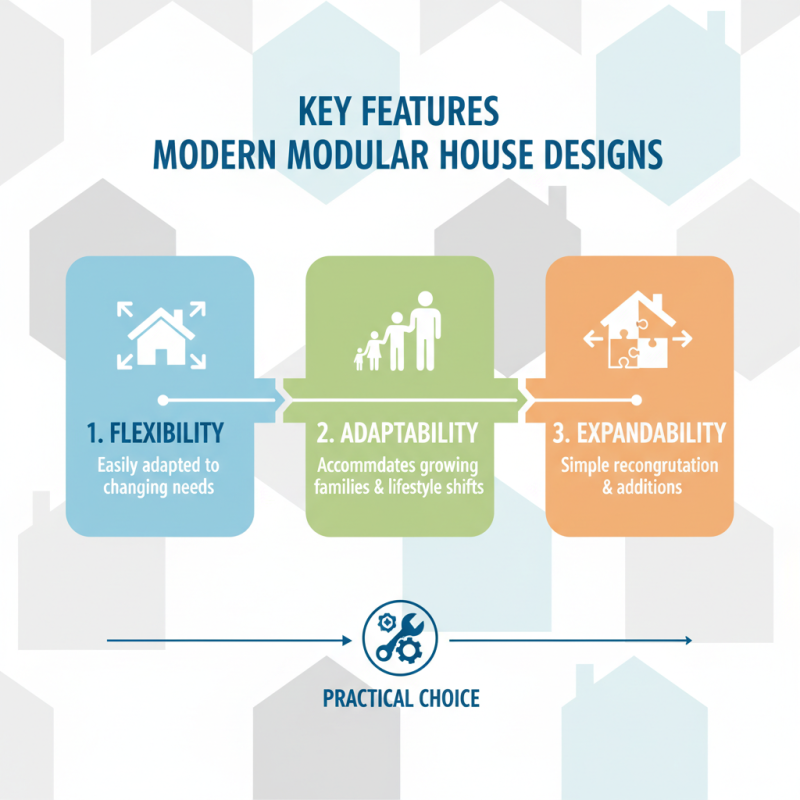
Modern modular house designs are revolutionizing the concept of living spaces. One key feature is flexibility. These homes can be easily adapted to changing needs. Families may grow or lifestyle preferences may shift. A modular design allows for easy expansion or reconfiguration. This adaptability makes modular homes a practical choice for many.
Sustainability is another vital aspect. Many modern modular homes use eco-friendly materials. They often include energy-efficient systems. This focus on sustainability can reduce overall utility costs. Yet, builders need to ensure that the materials are truly green and durable. The challenge is finding a balance between cost and environmental impact.
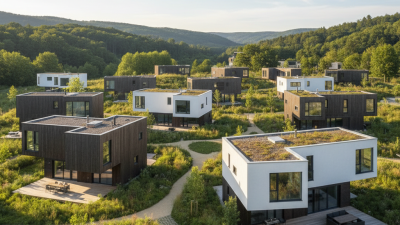
Moreover, modern modular houses often focus on open layouts. These designs promote natural light and spaciousness. Large windows are common, connecting the indoors with nature. However, depending on the location, privacy can be compromised. There’s a need for thoughtful planning to achieve both light and seclusion. Each design choice should enhance the living experience while considering potential drawbacks.
Top 10 Innovative Modular House Designs for Contemporary Living
Modular homes are redefining contemporary living. They blend efficiency, affordability, and sustainability. Houses made in factories are quick to assemble. This results in less waste compared to traditional builds. According to the Modular Building Institute, modular homes can be completed in half the time of conventional homes.
Many innovative designs focus on small footprints. For example, tiny modular homes maximize living space with clever layouts. They often include multifunctional furniture, making every inch count. These designs appeal to minimalists and eco-conscious homeowners. In fact, a report by the American Institute of Architects highlights the increasing trend towards sustainable small homes.
While modular homes offer many advantages, they are not without challenges. Finding suitable land can be tricky. Additionally, local zoning laws sometimes limit design options. Homeowners may need to navigate these hurdles. Therefore, modular home designs must also address local regulations. This balance is crucial for creating livable spaces that meet modern standards.
Sustainability and Eco-Friendliness in Modular Home Construction
Sustainability and eco-friendliness are crucial in modular home construction. According to a report by the National Association of Home Builders, modular homes can reduce construction waste by up to 90%. This reduction plays a vital role in minimizing environmental impact. Prefabrication allows for better materials management. More materials are used efficiently.
Energy efficiency is another essential aspect. Modular homes often use sustainable materials such as recycled steel, bamboo, and reclaimed wood. These materials not only reduce carbon footprint but also enhance the home’s lifespan. A study indicates that homes built with eco-friendly materials can decrease energy consumption by 30% or more.
However, challenges remain. Not all modular designs account for local climates, which can affect energy efficiency. Additionally, some buyers may overlook the importance of sustainable features for aesthetic choices. Reflecting on these trade-offs is essential to fully embrace modular home living. The push for eco-friendly construction is ongoing, but more awareness is needed to promote these benefits effectively.
10 Best Modular House Designs for Modern Living
Customization Options in Modular Housing for Personal Styles
Modular housing offers a unique canvas for customization, appealing to those with distinct tastes. According to the "2022 Modular Home Report," over 70% of homeowners seek personalized features in their living spaces. This need for customization is a vital aspect of modern modular designs. Homeowners can select everything from floor plans to exterior finishes, allowing for individual expression.
Many modular designs incorporate sustainable materials. A noteworthy trend is the emphasis on energy-efficient systems. These systems often include solar panels and high-performance insulation. Nearly 60% of buyers prioritize energy efficiency, reflecting a growing awareness of environmental impact. However, finding the right balance between personalization and sustainability can be challenging for some. Buyers may feel overwhelmed by the myriad of choices available, leading to decision fatigue.
The rise of modular housing also poses questions about community and aesthetics. While customization promotes individuality, it can create visual inconsistencies in neighborhoods. Striking a balance between personal style and cohesive community design is crucial. As modular housing evolves, finding this equilibrium will be essential for future developments.

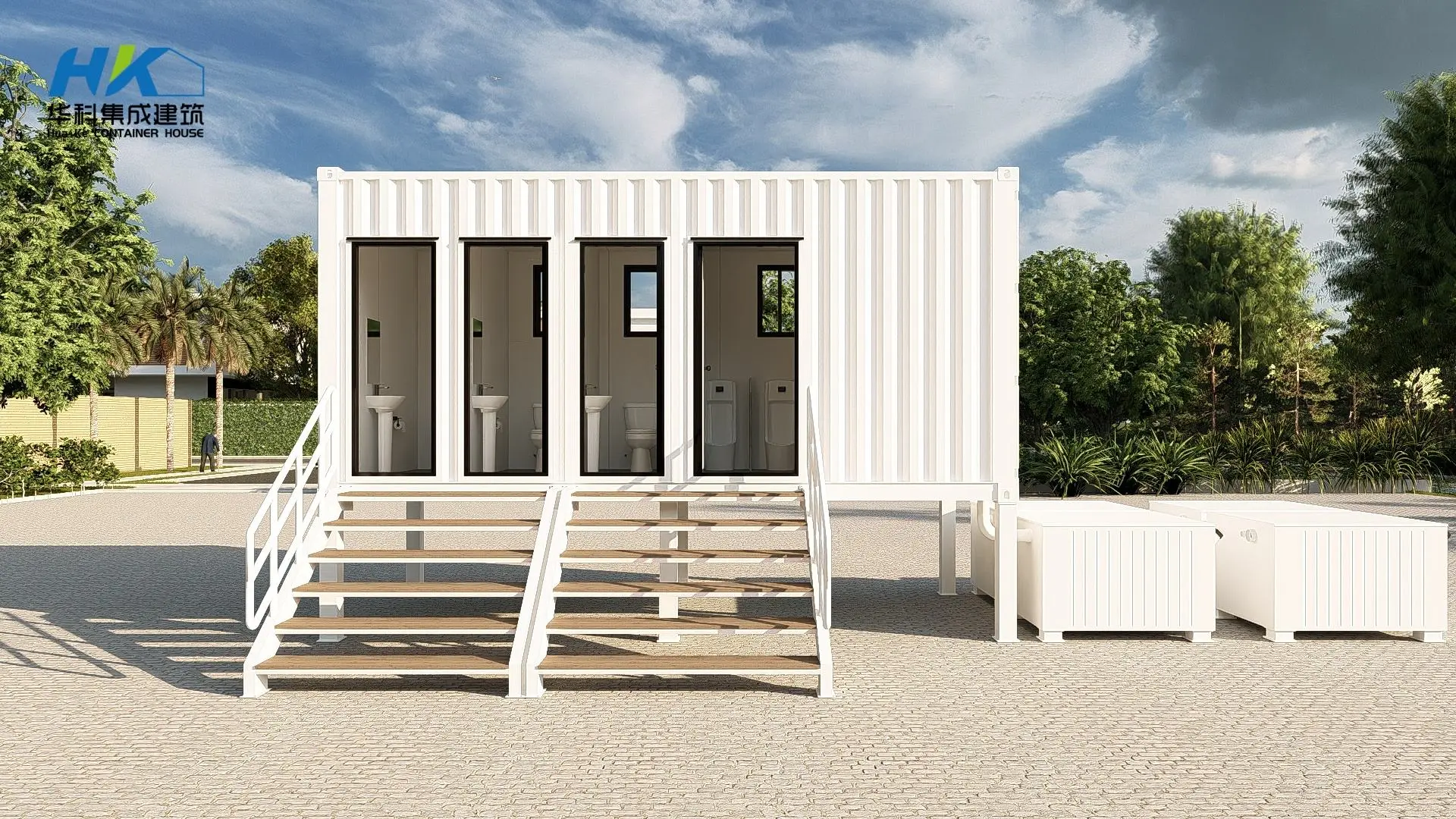 Contianer Toilet