Leave Your Message

2026 Best Swimming Pool Manufacturers for Global Buyers?

The 2026 Swimming Pool market is becoming more international, specialized, and demanding. Buyers now compare manufacturers beyond price, factory size, and attractive product photographs. They examine material performance, water-efficiency systems, installation support, certifications, warranty terms, and long-term maintenance costs.

Recent reports from Grand View Research and Fortune Business Insights indicate continued global growth in pool construction and related equipment. Their findings connect demand with residential development, tourism investment, wellness spending, and renovation activity. The Pool & Hot Tub Alliance also highlights the industry’s substantial economic contribution, especially across construction, maintenance, equipment, and professional services. These reports offer useful direction, but their market boundaries differ. Direct comparisons require care.

This guide evaluates leading manufacturers for global buyers using practical criteria. It considers manufacturing experience, export capability, engineering quality, customization, after-sales service, and documented compliance. A reliable supplier should provide clear technical drawings, realistic production schedules, traceable materials, and installation guidance suited to local conditions. Coastal projects may need stronger corrosion protection. Hotels may require durable filtration and energy controls. Residential buyers may prioritize design flexibility and simple maintenance.

Details matter.

No ranking is perfect. Factory visits, independent inspections, and reference-project checks can reveal weaknesses that brochures hide. Some manufacturers have excellent products but limited regional support. Others offer responsive service yet weaker customization. The best choice depends on climate, project scale, budget, water conditions, and local building requirements. This 2026 overview helps buyers compare those differences more carefully before signing a supply agreement.

2026 Best Swimming Pool Manufacturers for Global Buyers?

What Defines a Leading Swimming Pool Manufacturer in 2026

What defines a leading swimming pool manufacturer in 2026? Reliability begins with measurable performance, not attractive brochures. The World Health Organization reports about 236,000 drowning deaths globally each year. This makes safe circulation, visible water-quality controls, and secure access essential design priorities. A responsible manufacturer should provide testing records, installation guidance, and clear maintenance intervals.

Energy performance also matters. ENERGY STAR states that certified pool pumps can use up to 65% less energy than standard models. Leading suppliers should therefore offer variable-speed pumps, efficient filtration, durable liners, and compatible monitoring systems. Buyers should check performance under realistic conditions, including hot weather, heavy use, and poor water quality. A beautiful specification sheet is not enough.

Tips: Ask for lifecycle energy data, spare-parts availability, warranty exclusions, and independent test results. Check whether technicians can support your region. Request a sample maintenance schedule. Small details matter.

Experience reveals weaknesses. Some systems appear advanced but remain difficult to repair. Others reduce power use while increasing cleaning complexity. Manufacturers should explain these trade-offs honestly. ISO 9001 certification can indicate controlled production, but it does not guarantee every product performs well. Compare field evidence, response times, and documented results before signing a major order. The best choice may not be the newest system.

What Defines a Leading Swimming Pool Manufacturer in 2026?

For global buyers, manufacturer quality is evaluated through a balanced procurement framework. Product safety and compliance, lifecycle cost, customization capability, delivery reliability, after-sales support, and environmental performance are key factors when comparing suppliers across international markets.

The percentages represent a practical 100-point buyer evaluation model, not market share or company rankings.

Key Product Categories and Manufacturing Capabilities

2026 Best Swimming Pool Manufacturers for Global Buyers?

Key Product Categories and Manufacturing Capabilities

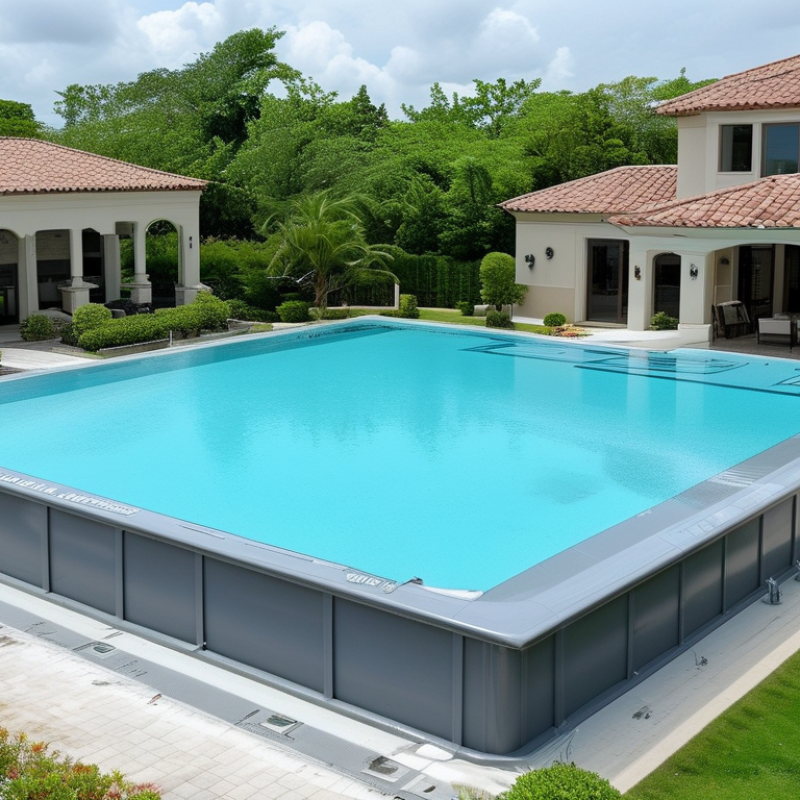
Global buyers should compare pool categories before comparing factory prices. Fiberglass pools offer smooth surfaces and faster installation, while concrete pools support unusual shapes and larger dimensions. Vinyl-liner systems can reduce initial costs, but liner replacement must be planned. Above-ground pools suit temporary projects, smaller properties, and seasonal demand. Spa pools add another category, with stricter attention to pumps, insulation, and noise control.

Manufacturing capability matters more than attractive product photographs. A reliable facility should control mold production, steel cutting, welding, surface finishing, and waterproofing in-house. CNC equipment can improve dimensional accuracy for repeated orders. Manual finishing still matters around steps, corners, and drainage points. Ask for material specifications, load calculations, water-flow testing, and batch inspection records. Small details matter.

Export readiness also deserves close review. Strong manufacturers use reinforced packaging, moisture protection, and clear installation drawings. They should explain container loading, spare parts, warranty limits, and after-sales responsibilities in writing. Electrical components must match the destination market’s requirements. Local approval may still be necessary. Do not assume one certificate fits every country.

A low quotation can hide weak reinforcement or incomplete accessories. That mistake becomes expensive later. No factory is perfect. Buyers should request sample inspections, production photos, and independent testing when risk is high. Some suppliers may resist these checks. That response deserves careful thought before payment or long-term cooperation.

How to Evaluate Quality, Safety, and Industry Certifications

For global buyers, a pool manufacturer should be judged beyond glossy renderings. I inspect shell-thickness records, resin batches, weld logs, and pressure-test results. These details show whether quality is repeatable, not accidental. Ask for production photos, calibration records, and sample inspection reports. Good evidence travels better than promises. Still, a perfect factory file can hide weak installation support.

Safety deserves stricter scrutiny. The World Health Organization estimates 236,000 annual drowning deaths worldwide. The U.S. Consumer Product Safety Commission reported an average of 371 fatal child drownings in pools and spas annually from 2019 to 2021. These figures make barriers, covers, compliant drains, anti-entrapment fittings, and visible depth markings practical requirements. Check designs against the CDC Model Aquatic Health Code and local building rules. Certification is not decoration. It must identify the tested product, scope, date, and issuing body.

For quality systems, ISO 9001 certification supports controlled manufacturing, but it does not certify pool performance. Request reports against relevant standards, such as ASTM F1346 for safety covers or EN 16582 where applicable. Electrical and filtration components may need separate regional approvals. Ask who performed testing and whether reports cover the exact model. Independent pre-shipment inspection helps. Review warranty exclusions, spare-part access, and response times. Buyers often ignore these details. I made that mistake when comparing low-price quotations. The cheapest quote may become the costliest installation.

Global Supply, Customization, Pricing, and After-Sales Support

For global buyers, the best swimming pool manufacturer in 2026 is not always the cheapest supplier. Grand View Research valued the global swimming pool market at approximately US$27 billion in 2023. Its forecast also shows continued growth through the decade. However, report estimates differ because market definitions vary. Buyers should compare factory capacity, export records, and material certificates before signing contracts.

Global supply needs practical proof. Ask whether the manufacturer maintains stable access to pumps, liners, filtration systems, and safety components. Customization should include pool dimensions, water depth, insulation, finishes, and local climate adaptation. Pricing must show product cost, packaging, shipping terms, installation guidance, spare parts, and possible duties. A low quotation can become expensive after missing components appear. After-sales support matters more than polished sales presentations. Request response times, warranty limits, troubleshooting procedures, and replacement-part availability. The International Trade Centre reports that transport costs and supply disruptions can significantly affect international goods pricing. Small details still hurt.

Tips: Request a complete quotation sheet. Compare three suppliers. Test communication before payment. Ask for production photos and inspection records. Do not trust promises alone. A video call with the engineering team can reveal more than a brochure. Buyers should also calculate five-year maintenance costs, not only the purchase price. My practical concern is simple: customization sounds attractive, but excessive changes may delay production and complicate future repairs. Simpler designs can be more reliable.

2026 Best Swimming Pool Manufacturers for Global Buyers? - Global Supply, Customization, Pricing, and After-Sales Support

Manufacturer Capability Profile Primary Pool Systems Typical Customization Scope Common Export Format Indicative Production Lead Time Indicative Price Position Global-Buyer Advantages Key Verification Points Best Fit for Buyers
Fiberglass Pool Specialists One-piece fiberglass Composite shell Residential pools Standard shell models with selectable length, width, depth, steps, coping, colors, and equipment packages. Structural redesign is usually limited by the mold system. Finished shell in a reinforced export frame or purpose-built shipping cradle; pumps, filters, fittings, and accessories packed separately. Approximately 6–12 weeks for standard models; longer when a new mold or major design change is required. Medium to high, depending on shell size, reinforcement, freight, and installation requirements. Fast on-site installation compared with many cast-in-place pools; smooth non-porous surface; repeatable factory quality; suitable for international project programs. Confirm shell thickness, laminate schedule, UV resistance, gelcoat warranty, lifting points, mold ownership, packaging, and replacement-part availability. Developers and distributors seeking repeatable models and relatively short installation times.
Stainless-Steel Pool Fabricators 316L stainless steel Indoor pools Overflow pools Custom dimensions, overflow details, stairs, benches, windows, lane layouts, and complex geometries are generally feasible with engineering approval. Prefabricated panels or modular sections, with welded or bolted site assembly depending on access, size, and transport restrictions. Approximately 8–16 weeks for engineered projects; site assembly and commissioning are additional. High, reflecting stainless-steel grade, welding quality, engineering, transport, and installation labor. Strong design flexibility; suitable for rooftops, hotels, wellness facilities, and projects where access makes conventional construction difficult. Verify steel grade certificates, weld procedures, passivation, corrosion protection, structural calculations, water-tightness testing, and installer qualifications. Premium hospitality, wellness, rooftop, and architect-led projects requiring complex shapes.
Modular Panel Pool Manufacturers Galvanized steel panels Aluminum panels Commercial pools Panel dimensions, pool depth, internal lining, stairs, overflow channels, circulation systems, and accessory packages can often be configured from a modular platform. Knock-down panels, bracing, liner or membrane, fittings, and equipment shipped in pallets or containers for local assembly. Approximately 5–10 weeks for standard configurations; engineering review may extend project schedules. Low to medium for standard modular designs; total installed cost depends heavily on civil works and local labor. Efficient container utilization; easier access to restricted sites; scalable dimensions; convenient for distributors and multi-site projects. Check coating system, corrosion class, panel tolerances, liner specification, structural calculations, anchoring method, and local building-code compliance. Commercial facilities, schools, resorts, and projects requiring modular delivery.
PVC-Liner and Membrane Pool Systems PVC membrane Reinforced liner Renovation systems Membrane color and pattern, welding details, fittings, steps, coping, filtration, heating, covers, and water-treatment packages can be selected. Liner rolls or prefabricated membrane sections, support structure, installation tools, fittings, and equipment packed separately. Approximately 4–8 weeks for standard materials; custom fabrication and project drawings can add time. Low to medium for the membrane package; installed price varies with the supporting structure and labor. Compact shipping volume; practical for refurbishment; adaptable to irregular shapes; replacement membrane programs can support long-term maintenance. Verify membrane thickness, reinforcement type, welding standards, seam testing, chemical compatibility, color stability, warranty exclusions, and repair procedures. Renovation contractors, distributors, and buyers prioritizing compact logistics and flexible shapes.
Concrete Pool Engineering and Equipment Integrators Reinforced concrete Infinity pools Public facilities Very broad customization, including irregular geometries, deep basins, movable floors, competition layouts, beach entries, water features, and integrated plant rooms. Engineering package, waterproofing materials, circulation equipment, treatment systems, fittings, and installation supervision rather than a complete prebuilt pool. Equipment and materials commonly require 6–14 weeks; civil construction and commissioning can take several additional months. Medium to high overall project cost, with substantial variation from civil works, site conditions, labor, and specification level. Maximum design freedom; well suited to large public and hospitality projects; local construction methods can reduce international shipping volume. Confirm waterproofing system, concrete specification, hydraulic calculations, turnover rate, filtration capacity, chemical dosing, commissioning scope, and local code compliance. Large resorts, public pools, sports facilities, and projects with local civil-construction capability.
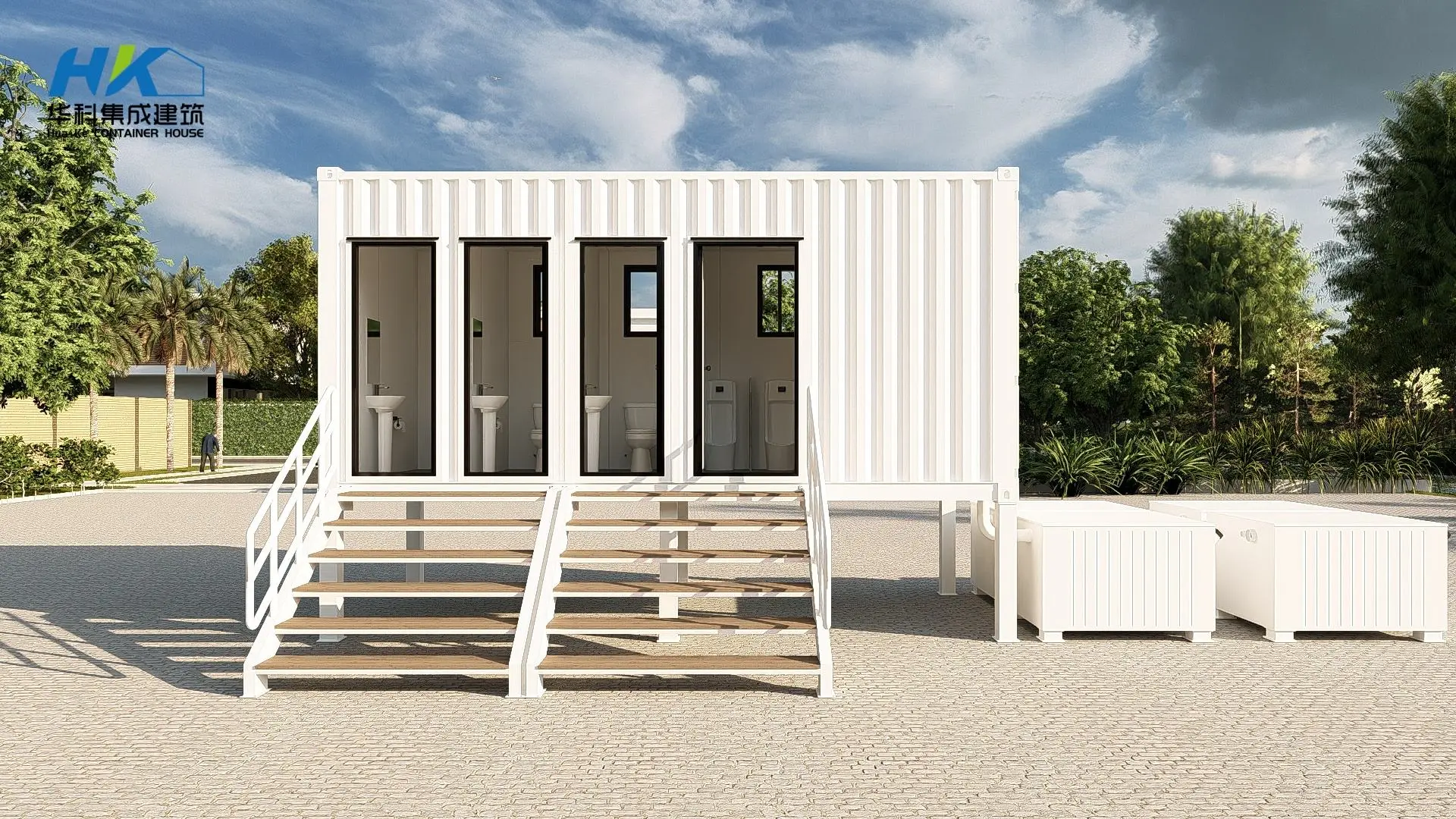
Containerized and Above-Ground Pool Suppliers Container pools Above-ground pools Portable pools Exterior cladding, internal finish, decking, windows, heating, filtration, lighting, access stairs, and smart-control options may be configured. Flat-pack components or modified shipping containers delivered as a complete unit or semi-finished module. Approximately 4–10 weeks for standard products; custom modules and electrical options may require longer. Low to medium for standard units; transport, crane access, foundations, and utility connections can materially affect landed cost. Rapid deployment; relatively simple site preparation; useful where excavation is restricted or temporary operation is required. Verify structural calculations, insulation, drainage, electrical protection, lifting points, waterproofing, local planning requirements, and winterization procedures. Glamping sites, temporary venues, compact urban locations, and buyers seeking fast deployment.
Commercial Water-Treatment and Pool-Plant Specialists Filtration plants UV systems Ozone systems Chemical dosing Hydraulic layouts, pump selection, control panels, automation, heat exchangers, remote monitoring, dosing systems, and energy-saving packages. Skid-mounted equipment, control cabinets, pipework kits, spare parts, technical drawings, and commissioning support. Approximately 6–14 weeks, depending on equipment availability, engineering, and control-panel customization. Medium to high for engineered systems; lifecycle energy and chemical savings should be assessed alongside purchase price. Supports public-health compliance, water-quality management, energy optimization, and integration with existing pool infrastructure. Verify flow-rate calculations, filtration media, pump efficiency, electrical standards, automation protocols, sensor calibration, spare parts, and service response times. Hotels, public pools, aquatic centers, and buyers upgrading an existing installation.
Private-Label and OEM Pool Equipment Producers Pumps Filters Heat pumps Covers Product labeling, packaging, manuals, control interfaces, electrical specifications, accessory bundles, and selected housing or color options. Cartons, pallets, or containerized mixed loads; products can be consolidated into distributor-specific equipment packages. Approximately 4–12 weeks after approval of specifications, artwork, and production quantities. Low to medium at volume; tooling, packaging, certification, and minimum-order requirements may apply. Supports distributor differentiation; mixed-product procurement; potential for standardized spare parts and private-label channel development. Confirm minimum order quantity, test reports, electrical approvals, noise and efficiency data, packaging quality, firmware support, and warranty-part logistics. Importers, wholesalers, e-commerce operators, and established regional pool-service networks.
Buyer note: Lead times and price positions are indicative 2026 industry benchmarks rather than quotations from any named company. Actual results depend on pool dimensions, material grade, engineering complexity, order quantity, destination, Incoterms, freight rates, local regulations, installation scope, and after-sales requirements. Request current technical drawings, compliance documents, warranty terms, spare-parts lists, and a landed-cost quotation before selecting a supplier.

How International Buyers Can Select the Right Manufacturer

International buyers should assess a swimming pool manufacturer beyond price and product photographs. Experience matters when designs face different climates, soil conditions, water chemistry, and shipping routes. The Pool & Hot Tub Alliance reports about 10.4 million residential pools in the United States alone. This scale shows strong demand, but it does not guarantee consistent manufacturing quality. Request factory audit records, material specifications, load calculations, testing results, and references from similar export projects. Verify whether the manufacturer understands your local electrical, structural, water-treatment, and safety requirements.

Safety deserves independent attention. The World Health Organization reports approximately 236,000 annual drowning deaths worldwide. A reliable manufacturer should provide secure access systems, anti-slip surfaces, compliant drainage, and clear installation instructions. Ask about waterproofing warranties, spare-part availability, technician training, and response times across time zones. International construction reports often show that delays and unclear responsibilities create more cost than the initial equipment price. A low quotation can still become expensive. I have found that impressive brochures reveal little about after-sales discipline.

Tips: Compare at least three technical offers, not only three prices. Ask for a sample quality-control checklist and recent inspection evidence. Confirm Incoterms, packaging protection, replacement procedures, and commissioning support in writing. Independent inspection is worthwhile before shipment. No checklist is perfect; regional installers may still identify risks that exporters overlook.