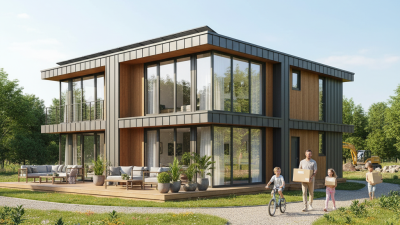
What is Building Material Essential Types and Their Uses?
Building materials play a crucial role in construction and architecture. They are the backbone of every structure, from homes to monumental buildings. Understanding the essential types of building materials is vital for anyone involved in construction. Each material has unique properties and uses that can significantly influence the outcome of a project.
Wood, concrete, and steel are among the most common building materials used today. Wood offers warmth and flexibility, making it ideal for residential buildings. Concrete provides strength and durability, suited for foundations and walls. Steel is renowned for its structural integrity, often used in high-rise buildings and bridges. However, selecting the right material requires careful consideration of various factors, including cost, sustainability, and local climate.
Despite advancements in technology, challenges remain in the building materials industry. Issues such as sourcing, sustainability, and environmental impact need ongoing attention. It's essential to reflect on how we can improve these aspects to ensure future generations benefit from better building practices. By understanding the types of building materials and their applications, we can make informed decisions that promote efficient and sustainable construction.

Essential Types of Building Materials Used in Construction
Building materials play a crucial role in construction projects. Understanding the essential types ensures effective building. Common materials include concrete, wood, steel, and bricks. Each type serves specific purposes, contributing to durability and aesthetics.
Concrete is favored for its strength and longevity. It’s ideal for foundations and structural components. Wood, on the other hand, is versatile and provides warmth. Its lightweight quality makes it useful for framing and interiors.
Steel shines in frameworks, offering great tensile strength. Meanwhile, bricks add a timeless appeal, used for walls and facades.
Tips: When selecting materials, consider the climate and environment. Some materials fare better in certain conditions. Always prioritize sustainability. Recycled materials can reduce the carbon footprint. Reflect on costs too; high-quality materials might save money long-term. Sometimes, cheaper options lead to more significant expenses later.
Characteristics and Properties of Common Building Materials
Building materials play a crucial role in construction projects. Understanding their characteristics can enhance decision-making. Common building materials include wood, concrete, steel, and brick. Each type has unique properties that influence their use in construction.
Wood is lightweight and offers excellent insulation. However, it can be prone to moisture and insects. Concrete is robust and fire-resistant, ideal for foundations and structural elements. The downside is its heavy weight and long curing time. Steel provides strength and flexibility, making it suitable for skyscrapers. Yet, it is subject to corrosion if not treated properly. Brick is durable and offers thermal mass but can be labor-intensive to work with.
Tips: When choosing materials, consider local climate conditions. This can affect durability and performance. Always consult with a structural engineer for safety. Balancing aesthetic appeal with functionality is key. Every material has strengths and weaknesses, so weigh them carefully to avoid costly mistakes.
Essential Types of Building Materials and Their Uses
This chart illustrates the percentage usage of essential types of building materials, showcasing the prevalence of each material in construction projects.
Applications of Building Materials in Various Structures
Building materials play a crucial role in the construction of various structures, each with unique applications. Concrete is widely used for foundations, offering strength and durability. According to the Portland Cement Association, about 80% of all buildings utilize concrete in some form. Its versatility makes it suitable for residential and commercial projects alike. Furthermore, steel is essential for high-rise buildings, providing structural integrity. The American Institute of Steel Construction states that steel framing is used in nearly 75% of all commercial buildings.
Wood is another vital material, known for its aesthetic appeal and thermal insulation properties. It is frequently used in residential construction because of its renewability. However, it comes with challenges. Wood can be susceptible to pests and moisture. This raises questions about sustainability and long-term durability. Meanwhile, brick remains a popular choice for walls in both residential and industrial buildings due to its fire resistance and low maintenance needs. Yet, the production of bricks can have significant environmental impacts, highlighting a need for more eco-friendly choices in building materials.
In the realm of sustainability, materials like bamboo have emerged as alternatives. With a strength-to-weight ratio higher than many traditional materials, bamboo is quickly gaining traction. However, its availability and knowledge about its use are still evolving. The future of building materials looks to balance strength, sustainability, and economic viability, necessitating ongoing research and innovation in the industry.
What is Building Material Essential Types and Their Uses? - Applications of Building Materials in Various Structures
| Type of Building Material |
Description |
Common Uses |
| Concrete |
A composite material made from cement, aggregate, and water. |
Foundations, floors, walls, and structures requiring durability. |
| Steel |
An alloy of iron and carbon, known for its strength and flexibility. |
Framing, reinforcements, and structural supports. |
| Wood |
A natural material derived from trees, used for its aesthetic and insulation properties. |
Framework, flooring, cabinetry, and furniture. |
| Brick |
A hard block made of clay and other materials, used in construction. |
Walls, chimneys, and paving. |
| Glass |
A transparent material produced from silica; used for aesthetic and practical purposes. |
Windows, facades, and skylights. |
| Stone |
A natural solid aggregate of minerals used for its durability. |
Foundations, decorative features, and landscape structures. |
| Insulation |
Materials used to prevent heat loss or gain in buildings. |
Walls, roofs, and flooring systems for energy efficiency. |
Sustainable Building Materials and Their Environmental Impact
Sustainable building materials play a crucial role in reducing environmental impact. They minimize resource consumption and promote efficiency. These materials include bamboo, recycled steel, and rammed earth.
Bamboo grows quickly and sequesters carbon, making it an eco-friendly choice. Recycled steel reduces the need for new extraction and production processes.
The environmental impact of these materials is significant. Traditional materials often deplete natural resources and emit high levels of carbon. In contrast, sustainable options aim to close this loop. However, adopting sustainable materials is not without challenges. Sourcing these materials can be difficult in certain regions. The initial cost may also be higher, even if the long-term benefits are substantial.
There is a growing need for education on sustainable materials. Many builders and consumers are still unaware of their benefits. Awareness can influence choices and lead to better environmental practices. This shift in mindset is essential for the future of construction. Embracing sustainable materials can lead to a healthier planet for generations to come.
Future Trends in Building Material Development and Usage
The building material industry is evolving rapidly. Sustainable practices are becoming essential. Innovations in
smart materials are on the rise. These materials respond to changes in the environment. Imagine walls that cool down
when it's hot or heat up during cold nights. This adaptability improves energy efficiency.
Recycled materials are gaining popularity. Using plastic waste in construction could reduce pollution. However,
challenges remain in ensuring durability and safety. These solutions require testing and validation. They cannot just
be trendy; they must meet rigorous standards.
Tips: Consider exploring local sources for materials. This may lower transportation costs. Also, think about the
long-term environmental impact. Each choice you make should contribute to sustainability. Reflect on how these trends can shape your
future projects.

 Contianer Toilet