China Top 10 Affordable Container Homes You Can Buy Now?
In recent years, Affordable Container Homes have gained significant popularity in China. These homes offer cost-effective living solutions while emphasizing sustainability and minimalism. By repurposing shipping containers, builders create unique residences that stand out in design and practicality.
Many individuals are now seeking affordable housing options. Container homes provide a viable alternative amid rising property prices. They are versatile, allowing homeowners to customize layouts and features. However, purchasing an affordable container home comes with considerations. Prospective buyers should research reputable builders and inspect the quality of materials used. Not all homes are created equal, and not every design suits all needs.
Navigating the world of container homes can be overwhelming. Each option comes with pros and cons. Some designs may lack adequate insulation, impacting comfort. Others might not meet local building codes. It’s crucial to ensure that your investment aligns with your lifestyle and expectations. Embracing the unique offerings of Affordable Container Homes can lead to rewarding experiences, provided one conducts due diligence.

Overview of Container Homes: A Growing Trend in China
Container homes are fast becoming a popular choice in China. The trend reflects a growing desire for affordable and eco-friendly housing solutions. Expert reports reveal that the container home market in China is expected to grow at a CAGR of 4.5% from 2021 to 2027. This growth mirrors global shifts towards sustainable living.
Many are drawn to container homes due to their modular nature. They can be quickly assembled and modified to fit various needs. However, the homes are not without challenges. Insulation can be a concern, especially in extreme climates. Some buyers have reported difficulties in achieving optimal energy efficiency. Additionally, local building codes may complicate installation.
Despite these obstacles, the appeal is clear. Container homes offer a unique aesthetic and functional space that is hard to replicate. They provide a solution to urban housing shortages while minimizing environmental impact. Interest in container living continues to rise, with a new generation eager to embrace innovative designs and sustainable practices.
China Top 10 Affordable Container Homes You Can Buy Now
| Model |
Size (sq. ft.) |
Price (USD) |
Number of Rooms |
Features |
| Model A |
200 |
$15,000 |
1 |
Eco-friendly, Insulated |
| Model B |
320 |
$20,000 |
2 |
Modern design, Open floor plan |
| Model C |
250 |
$18,500 |
1 |
Solar panels, Flexible layout |
| Model D |
400 |
$25,000 |
3 |
Luxury finishes, Deck |
| Model E |
300 |
$22,000 |
2 |
Outdoor space, Garden |
| Model F |
350 |
$21,500 |
2 |
Modular, Adjustable |
| Model G |
270 |
$17,000 |
1 |
Compact, Easy to transport |
| Model H |
420 |
$28,000 |
3 |
Large windows, High ceilings |
| Model I |
320 |
$19,500 |
2 |
Stylish interior, Smart home features |
| Model J |
300 |
$16,500 |
1 |
Budget-friendly, Minimalist design |
Top Features to Look for in Affordable Container Homes
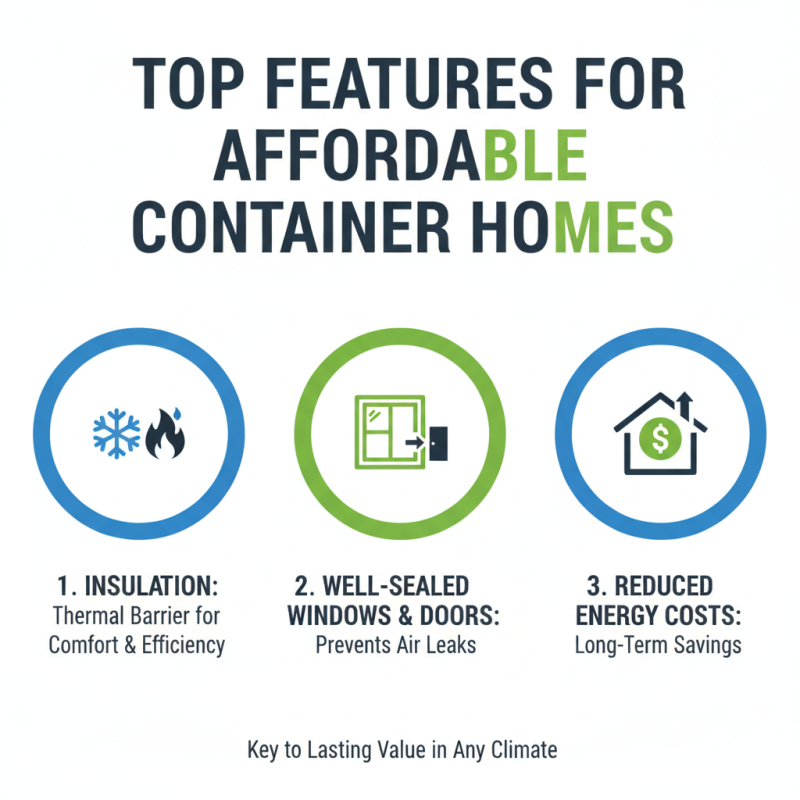
When considering affordable container homes, focus on key features to ensure lasting value. Insulation is crucial, affecting comfort and energy efficiency. Look for options that have proper thermal insulation to withstand varying climates. The windows and doors should also be well-sealed to prevent air leaks. This can significantly reduce heating and cooling costs.
Space utilization is vital. A well-designed container home maximizes limited space effectively. Multi-functional furniture can help in achieving this. Modular designs allow for flexibility and expansion, which is essential for growing families or changing needs. Additionally, durability plays a major role. Containers must be rust-resistant and built to last, as maintenance can add unforeseen costs.
Aesthetic appeal shouldn’t be overlooked. The exterior finish can enhance the overall look. Custom options might come at a price, but they can elevate your container home from standard to stylish. Eco-friendliness can also be a factor. Sustainability in materials and fixtures may not always be affordable, but they reflect a commitment to the environment. It's important to balance the budget while considering these aspects for a truly functional home.
List of the Top 10 Affordable Container Homes Available in China
Container homes have gained popularity in China due to their affordability and sustainability. Many options are now available that cater to various needs and budgets. Here’s a list of some of the top affordable container homes on the market.
These homes often provide a unique aesthetic and efficient use of space. Some feature modern designs, while others offer minimalist approaches. When choosing a container home, consider factors like insulation, amenities, and layout. Pay attention to the overall quality of materials used.
Tips: Inspect for potential issues like rust, leaks, or structural integrity before purchasing. Always ask for warranties to ensure reliability. Additionally, think about modifications. Customizing your space can enhance comfort. Remember, it’s essential to reflect on what you truly need versus what looks good on paper.
Comparison of Pricing and Features for Each Container Home
Container homes are gaining popularity in China due to their affordability and versatility. Each type offers unique features that cater to different needs. Some homes provide eco-friendly designs, while others focus on luxury and comfort. The pricing varies significantly based on size, layout, and materials used. For instance, a basic model might start at a lower price, while more elaborate designs with advanced features can cost considerably more.
In terms of features, practical aspects play a vital role. Check insulation quality, energy efficiency, and layout flexibility. Many homes come equipped with essential utilities, like plumbing and electricity, but not all may include premium features. You might find beautifully designed interiors but with less storage. Budget-conscious buyers often overlook these details, which can lead to dissatisfaction later.
While these homes offer a creative living solution, potential buyers must weigh their options carefully. Consider long-term costs such as maintenance and energy bills. A cheaper option might save money upfront but become costly over time. It’s advisable to research thoroughly, as the best choice should align with both budget and lifestyle preferences.
Tips for Purchasing and Setting Up Your Container Home in China
When purchasing a container home in China, research is crucial. Evaluate different designs and sizes that fit your needs. Visit local suppliers and inspect the quality of construction firsthand. Understanding insulation and structural integrity is essential. These factors impact comfort and energy efficiency. Some contractors may promise quick turnaround times but deliver subpar results. Look for authentic testimonials and reviews from previous buyers. This ensures you make an informed choice.
Setting up a container home involves more than just delivery. Check local zoning laws before making plans. Not all areas allow container homes. Infrastructure considerations are vital too—access to water, electricity, and sewage systems requires careful planning. Stacking containers or modifying them can create unique layouts, but it may complicate permits. Think through your design to avoid costly modifications later.
Budget for the unexpected. Container homes can incur additional costs beyond the purchase price. Expenses like site preparation, permits, and installation add up. It’s common to overlook landscaping or outdoor space, but these elements enhance livability. A well-planned setup promotes a sustainable lifestyle. Reflect on your choices to ensure they align with your vision and needs.
Affordable Container Homes Prices in China

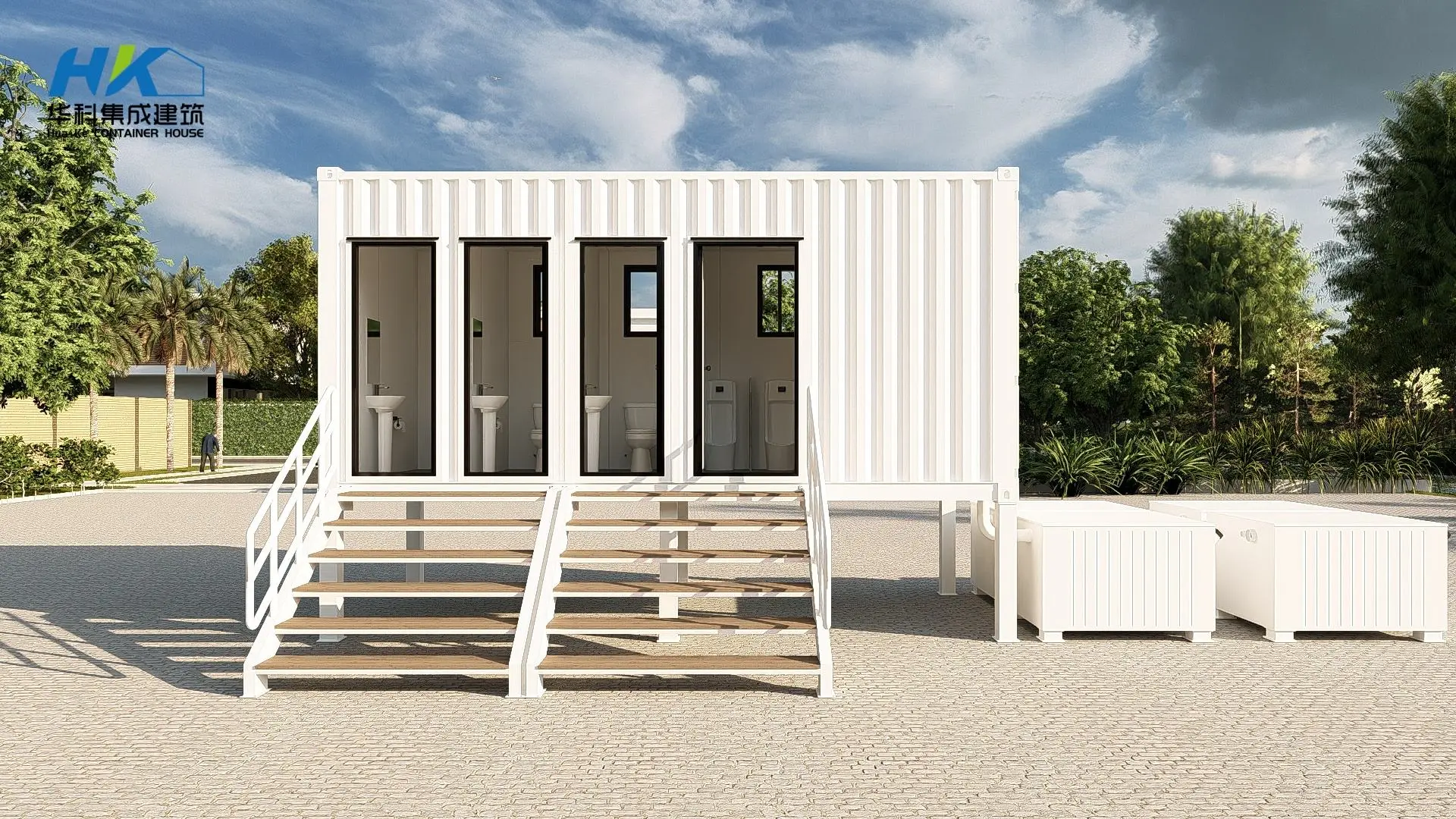 Contianer Toilet