2026 How to Choose Affordable Container Homes for Your Dream Living Space?
In recent years, the demand for Affordable Container Homes has surged. These innovative living spaces offer unique benefits. They are sustainable, cost-effective, and versatile. Experts like James Smith, a leading authority in container architecture, emphasize the importance of thoughtful design. He states, “Affordable Container Homes can be both functional and stylish.”
The journey to choose the right container home often presents challenges. Buyers face varied options and budget constraints. It's essential to consider factors such as insulation, layout, and materials. Each decision shapes the final result. Many buyers overlook these details, leading to regrets later. Quality must not be sacrificed for the price.
Affordability is key, yet it should not compromise safety. Finding trustworthy suppliers is crucial. Potential owners should seek out reputable options. Researching qualifications and certifications like ISO or CE can prevent future issues. As the market grows, so does the need for informed choices.
Understanding Container Homes: An Overview of Benefits and Features
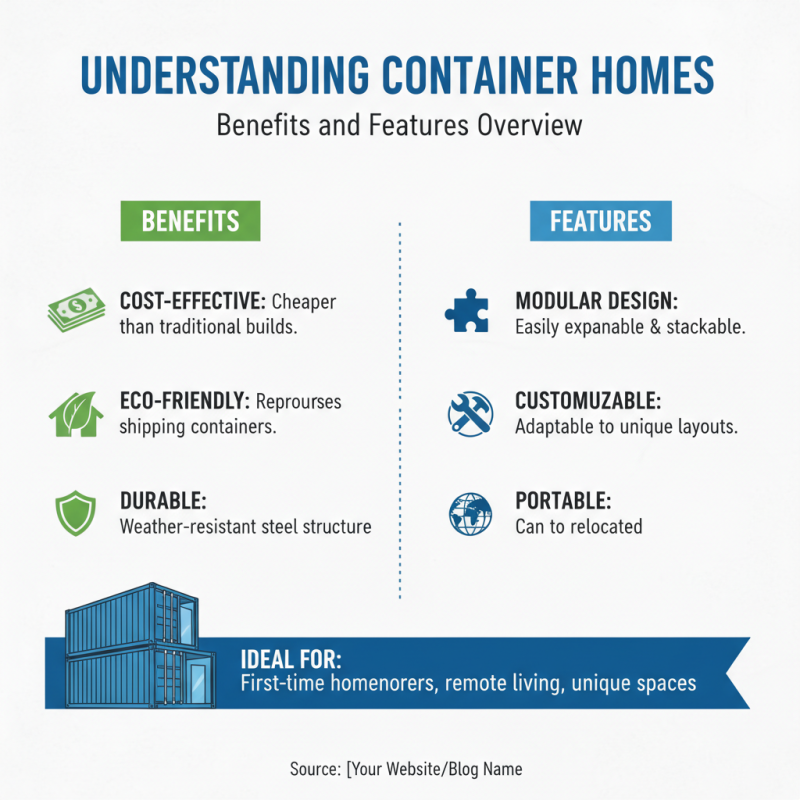
Container homes have gained popularity due to their affordability and flexibility. They offer a unique living experience that's eco-friendly and customizable. One of the main benefits is their cost-effectiveness. Building with containers can be significantly cheaper than traditional methods. This is appealing to first-time homeowners.
Tips: Consider the location carefully. A good site can save you money. Also, look into local zoning laws and regulations. These can affect your plans. It is essential to stay within legal limits.
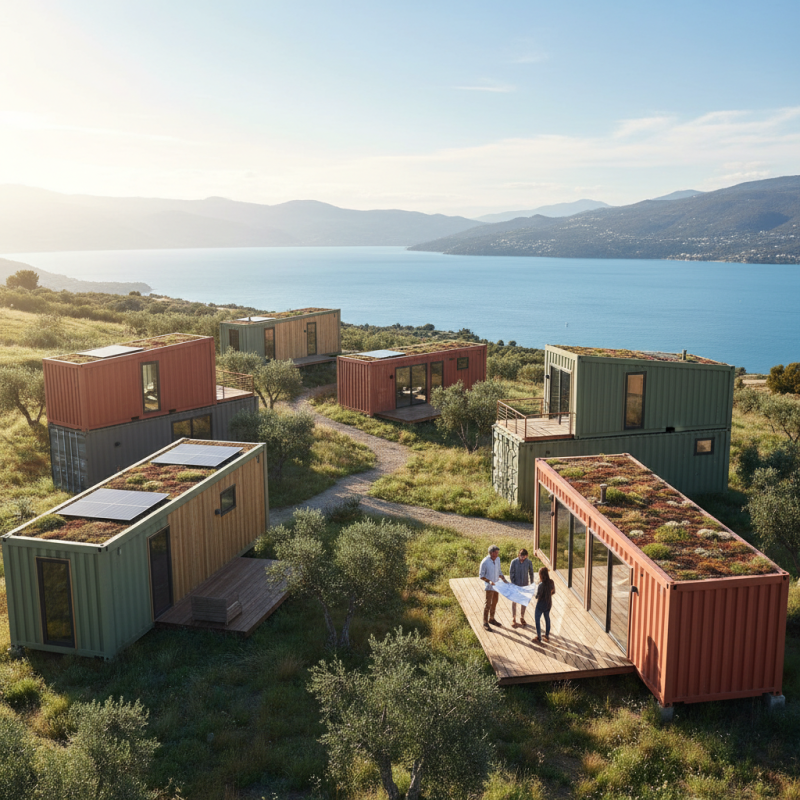
Another advantage is the versatility of design. You can stack containers, join them, or even modify their structure. This allows for creativity in layout and aesthetics. However, planning is crucial. Sometimes, initial designs may not align with practical living. Keeping functionality in mind ensures a comfortable space.
Tips: Think about insulation and ventilation. Containers can trap heat if not managed properly. Also, consider your future needs. Will your space be adequate as your lifestyle changes? Reflecting on these factors can prevent future regrets.
Assessing Your Budget: How to Identify Affordable Container Home Options
When considering affordable container homes, start with a clear budget. Assess your financial situation first. Calculate how much you can realistically spend. This will help narrow down your options. A budget of $10,000 can yield different results than $50,000.
Next, research different designs. Some homes are more expensive due to their size or complexity. A simple design may cost less. Evaluate the costs of materials and labor carefully. Don’t forget hidden costs, like permits or land preparation. These can add up quickly. Take a moment to reflect if you're truly prepared for these unexpected expenses.
Lastly, be open to compromises. You may need to forego certain aesthetics for affordability. Embrace the modularity of container homes. This allows for unique layouts within your budget. Consider used containers; they can be more economical. Delve into local marketplaces to discover hidden gems. Remember, while it’s important to stay within budget, you should also envision how to make your space feel like home.
2026 Affordable Container Homes Budget Assessment
Key Factors to Consider When Choosing Container Home Designs
When selecting affordable container homes, consider several key factors. Design flexibility is crucial. Container homes can adapt to various styles. They can be cozy, modern, or minimalistic. Many prefer open floor plans which create a spacious feel in a small area. Research shows that investing in a well-designed layout can enhance liveability by over 30%.
Budgeting effectively is another essential aspect. According to industry reports, the average cost of a container home ranges from $10,000 to $35,000. This price often excludes land and permits. It's vital to factor in insulation and interior finishing costs, which can significantly affect your total budget.
Tips: Always set aside extra funds for unexpected expenses. Despite meticulous planning, surprises can happen. Look into local building codes early in the process. This can prevent future headaches and ensure the project runs smoothly.
Sustainability is also worth contemplating. Container homes are eco-friendly, but the insulation and materials you choose impact energy efficiency. Some designs may require additional materials which can inflate costs. Reflect on the long-term benefits and energy savings versus initial expenditure. Making sustainable choices now could lead to lower utility bills later.
2026 How to Choose Affordable Container Homes for Your Dream Living Space? - Key Factors to Consider When Choosing Container Home Designs
| Factor |
Description |
Average Cost (USD) |
| Container Size |
Different sizes available (20ft, 40ft); affects cost and space. |
$1,500 - $5,000 |
| Insulation |
Essential for climate control and energy efficiency. |
$1,000 - $3,000 |
| Foundation |
Prepare a solid foundation for stability and compliance. |
$2,000 - $6,000 |
| Interior Finishing |
Customize interiors to your liking; includes flooring, walls, etc. |
$5,000 - $15,000 |
| Utilities Installation |
Electricity, plumbing, and HVAC systems need to be installed. |
$3,000 - $10,000 |
| Permits and Regulations |
Consider local zoning laws and building permits. |
$500 - $2,000 |
Sourcing Materials and Contractors for Building Your Container Home
When it comes to sourcing materials for your container home, quality matters. Many builders find recycled steel containers to be cost-effective. Data shows that they can reduce material costs by up to 30% compared to traditional building methods. Look for local suppliers who specialize in container homes. You’ll often find better prices and quicker delivery times.
Working with the right contractors is essential. Choose professionals with experience in container home construction. They should understand local building codes and regulations. A recent industry report indicated that hiring specialized contractors could save homeowners nearly 15% in overall project costs. Their expertise can prevent costly mistakes down the line.
Tip: Always get multiple quotes from contractors. This can lead to competitive pricing and better service.
Be cautious about using second-hand materials. Though they may be cheaper, ensure they’re in good condition. Inspect for rust or damage to avoid future repairs. Skimping here can lead to greater expenses later.
Tip: Join online forums or local groups focused on container living. You can get recommendations and insights from experienced homeowners.
Evaluating Location and Zoning Laws for Your Container Home Project
When considering a container home, location and zoning laws are crucial. Not all areas allow container homes. Research local regulations before making any decisions. Some regions have adopted the International Building Code, which includes guidelines for these structures. According to a 2022 study by the Container Home Association, over 60% of potential homeowners faced hurdles due to zoning laws.
It's essential to evaluate the specific zoning laws in your chosen area. Some locations allow for temporary structures only. Others might require a foundation. These factors can greatly affect your overall costs. A report from the National Association of Home Builders highlights that up to 25% of your budget may be spent on navigating these legal requirements.
Understanding local building codes can be overwhelming. In some cases, modifications to your design may be needed to comply with regulations. It’s worth noting that potential delays can arise if your plans do not meet local standards. This can lead to frustration and added expenses. Ensure you weigh these factors carefully before diving into your container home project.

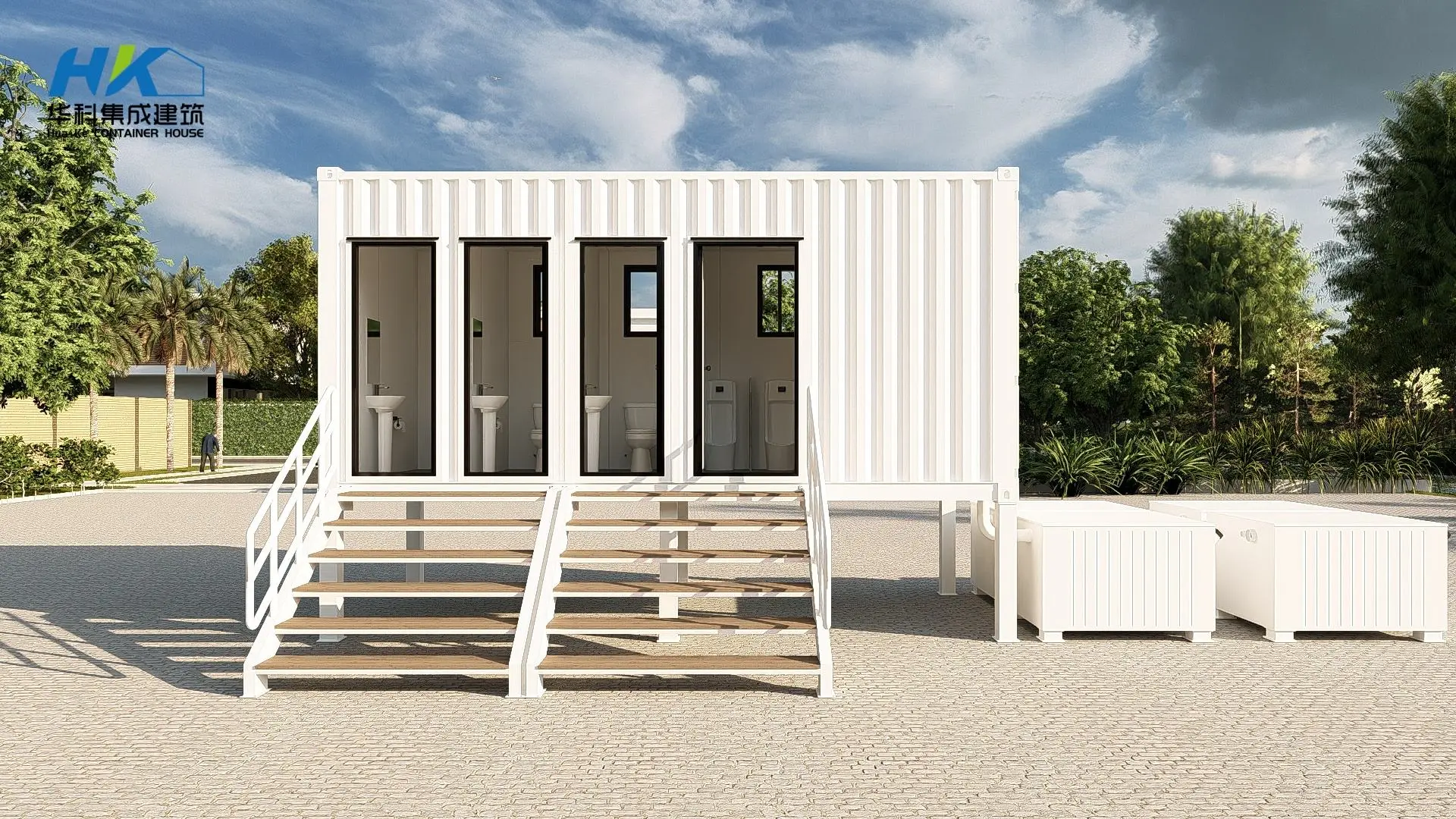 Contianer Toilet