Choosing a reliable Prefabricated House supplier in China requires more than comparing catalog prices. Global buyers must examine materials, factory controls, engineering capability, and export experience. A supplier may display beautiful villas, yet provide weak documentation. That gap matters.
Walter Gropius, a pioneer of modern architecture, once said, “The prefabrication of houses is the key to the solution of the housing problem.” His observation still feels relevant. Factory production can improve consistency, reduce site waste, and shorten construction schedules. However, prefabrication is not automatically efficient. Design quality, transport planning, local building requirements, and installation skills remain decisive.
This guide introduces leading Chinese Prefabricated House suppliers for international buyers. It considers structural systems, insulation performance, fire safety, customization, production capacity, and after-sales support. It also looks beyond polished websites. Buyers should request factory audits, project references, material certificates, and clear contract terms. Photos are not proof.
Climate creates another practical test. A coastal project may need corrosion-resistant components. A cold region may require stronger insulation and careful thermal-bridge control. Remote sites may need flat-pack systems and simpler assembly procedures. These details can change the final budget substantially.
No supplier is perfect. Some product information remains difficult to verify without independent inspection. That is an uncomfortable but necessary limitation. The strongest companies respond with transparent records, realistic delivery promises, and technical answers. For global buyers, trust is built before shipment. It is measured again when the first wall panel arrives.
China Top Prefabricated House Suppliers for Global Buyers
What Defines a Top Prefabricated House Supplier in China
A top supplier proves performance before discussing price. McKinsey’s 2019 modular construction report found that prefabrication can shorten schedules by 20–50% and reduce costs by up to 20%. These gains depend on repeatable designs, stable production, and accurate logistics. A reliable supplier should provide factory inspection records, material certificates, structural calculations, and installation drawings. Not attractive brochures.
Engineering depth matters. The supplier must adapt wall systems, roof loads, insulation, fire ratings, and electrical standards to the destination country. UNEP’s 2023 Global Status Report states that buildings produced 37% of global energy-related emissions in 2022. Therefore, thermal performance is not a marketing detail. Buyers should request U-values, airtightness methods, window specifications, and tested energy data.
Quality control should continue beyond the workshop. Photos of hidden connections, welding checks, moisture protection, and packaging details reveal more than showroom finishes. ISO 9001 certification helps, but it does not replace independent inspection. A missing screw or poorly sealed joint can create expensive site problems. No factory is perfect. The best suppliers document defects, correct them openly, and improve their process. Buyers should also test one pilot unit before ordering hundreds. This feels slower, but rushed confidence often becomes a costly lesson.
What Defines a Top Prefabricated House Supplier in China?
The chart presents a practical 100-point evaluation framework for global buyers. Product quality, compliance, customization, delivery reliability, cost transparency, export experience, and after-sales support are the main measurable dimensions used to compare prefabricated house suppliers.
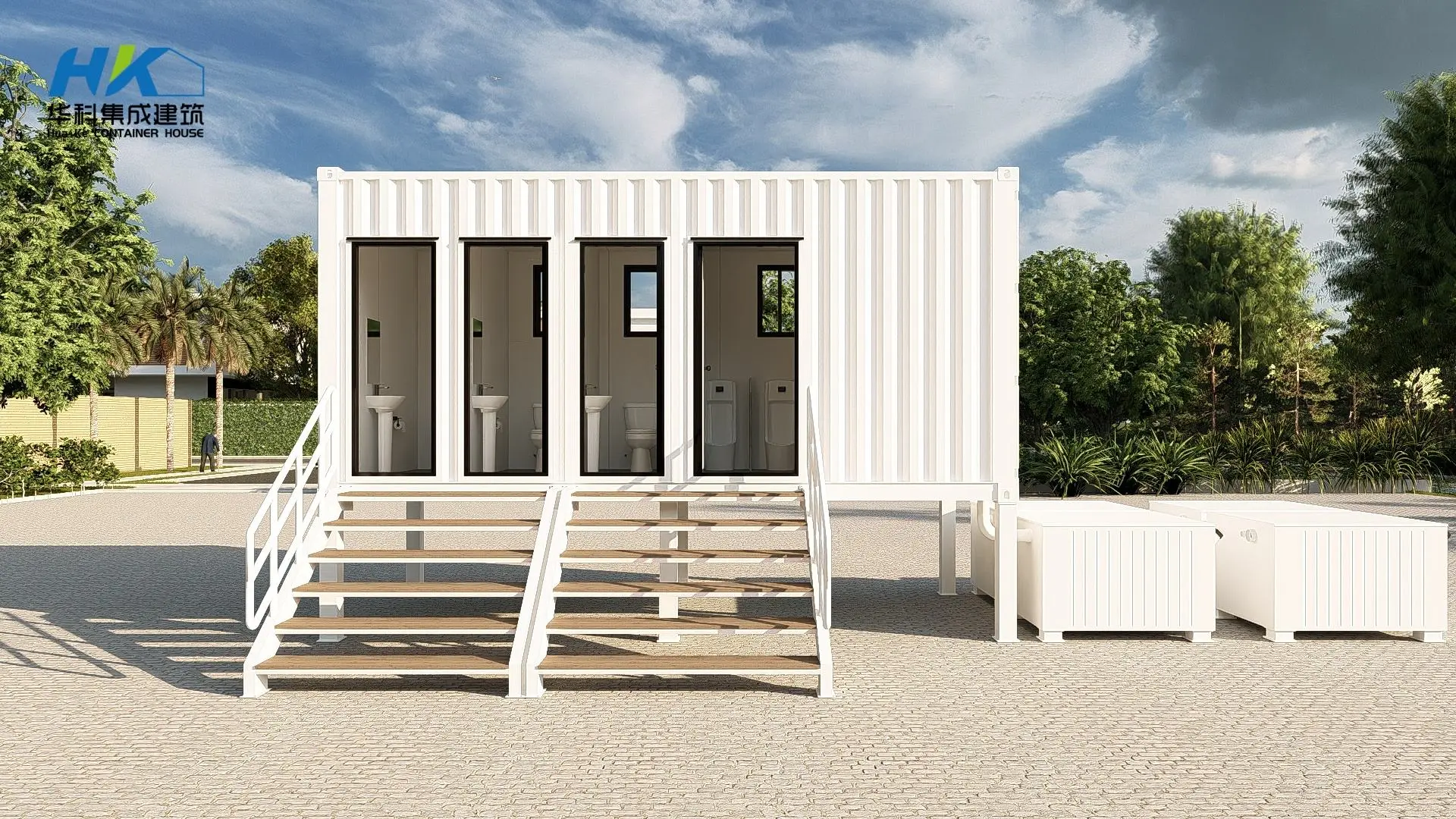
China’s prefabricated housing suppliers increasingly serve projects requiring speed, repeatability, and controlled quality. Key systems include light-gauge steel frames, precast concrete panels, volumetric modules, and sandwich-panel units. Each system suits different conditions. Volumetric modules arrive with bathrooms, wiring, and finishes installed. Light-gauge steel offers lower transport weight and flexible layouts. Precast concrete provides strong acoustic and fire performance, but requires heavier lifting equipment.
McKinsey’s 2019 report, Modular construction: From projects to products, found that modular methods can reduce schedules by 20–50% and lower costs by up to 20% in suitable projects. These figures are not guaranteed. Local labor, shipping, foundations, and design changes can quickly reduce the benefit. The UNEP Global Status Report for Buildings and Construction 2023 reported that buildings account for about 37% of global energy-related and process emissions. Better insulation, airtight joints, and factory-controlled material use therefore matter. Yet, energy savings are sometimes promised too easily.
Tips: Ask suppliers for structural calculations, fire-test reports, thermal values, and tolerances. Confirm whether testing follows local codes. Check module dimensions against shipping routes and crane capacity. Request a sample wall section before mass production. Factory precision helps, but site assembly still needs skilled supervision. A small coordination error can create a large waterproofing problem. Review maintenance access, replacement parts, and moisture protection before signing.
How to Evaluate Chinese Suppliers for Global Prefabricated Projects
Supplier evaluation should begin with evidence, not attractive renderings. McKinsey’s 2019 report, Modular Construction: From Projects to Products, estimates that modular methods can reduce schedules by 20–50%. However, those gains depend on factory discipline and accurate site coordination. Request production records, material certificates, welding procedures, and independent inspection results. Check whether the supplier can provide traceable serial numbers for steel, panels, windows, and electrical components.
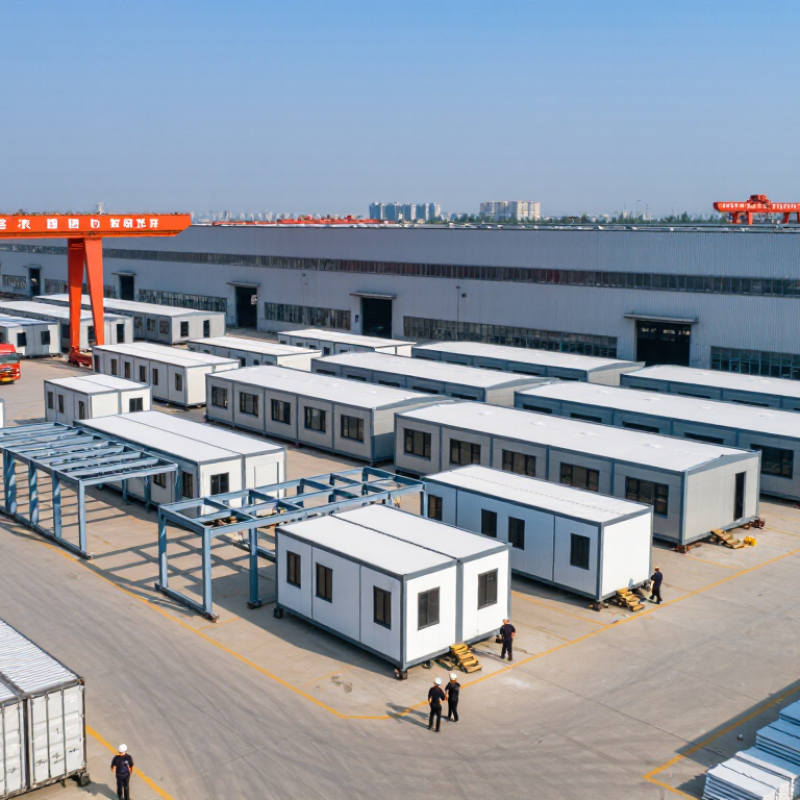
Visit the factory if possible. Observe storage conditions, moisture protection, dimensional checks, and packing methods. Ask for a full-size sample room, not only digital drawings. Measure door alignment, sealant joints, floor levels, and plumbing access. Verify compliance with the destination country’s structural, fire, energy, and electrical requirements. ISO 9001 certification can support quality management, but it cannot replace project-specific testing or third-party verification.
Review at least three completed overseas projects with similar climates and building functions. Speak with previous clients about delays, replacement parts, and after-sales response. The World Green Building Council reports that buildings contribute about 39% of global energy-related carbon emissions when construction is included, so lifecycle performance deserves attention. A practical reflection: a supplier may pass a factory audit yet struggle with local installation teams. Allow time for drawings, customs documentation, spare parts, and corrective work. No checklist is perfect. Track every assumption in the contract.
Global buyers should treat compliance as a project requirement, not a marketing phrase. An experienced supplier begins with the destination’s building code, climate zone, and intended use. Wind loads, snow pressure, seismic design, fire resistance, and insulation values must match local rules. Do not assume one factory certificate covers every model. Scope matters. ISO 9001 supports documented quality control, but it does not replace structural approval. For electrical systems, applicable national requirements may require test reports, declarations, or third-party inspection. CE marking may apply to certain products entering European markets, but it is not a universal housing certificate.
A dependable export file should include approved drawings, material specifications, weld records, inspection reports, packing lists, and installation instructions. Documents should use consistent model numbers and revision dates. This small detail prevents customs delays and costly site confusion. Suppliers should also confirm container dimensions, timber-treatment requirements, product labeling, and the buyer’s import responsibilities. Local authorities may request translated documents or additional engineering calculations. Requirements change.
Factory inspections can reveal practical issues that certificates miss. Check steel thickness with calibrated tools. Review fire-rated panels, sealant joints, and cable protection before shipment. Photograph hidden connections before closing walls. These records support accountability. Our early checklists were sometimes too general, especially for coastal projects. That weakness taught us to request site-specific data earlier. A supplier should state what has been tested, where it applies, and what still needs local approval. Clear limitations are more reliable than confident promises.
| Product Category | Typical Construction System | Common International Standards and References | Certifications or Test Evidence to Request | Export and Customs Documentation | Key International Compliance Checks | Typical Buyer Markets | Important Qualification Note |
|---|---|---|---|---|---|---|---|
| Light-Gauge Steel Prefabricated Houses | Cold-formed galvanized steel frames with insulated wall, roof, and floor panels. | ISO 9001 EN 1090 Eurocodes ASTM | Quality-management certificate; material mill certificates; structural calculation package; corrosion-protection records; welding qualifications where welded components are used. | Commercial invoice, packing list, sales contract, bill of lading, certificate of origin where required, and product-specific customs classification information. | Structural design for local wind, snow, seismic, and imposed loads; steel thickness and coating mass; thermal performance; fire resistance; connection design; dimensional tolerances. | Europe, North America, Australia, New Zealand, the Middle East, Africa, and island markets. | EN 1090 or CE-related evidence may apply only to relevant structural steel products and intended uses; it is not a universal approval for an entire house. |
| Container-Type Modular Buildings | Factory-built volumetric modules using steel frames, insulated panels, floors, ceilings, windows, and prefitted services. | ISO 9001 IEC 60364 IEC 60529 Local Building Codes | Factory inspection records; electrical test reports; insulation and fire-test reports; lifting and transport calculations; waterproofing inspection records. | Commercial invoice, packing list, bill of lading, fumigation or ISPM 15 evidence for applicable solid-wood packaging, and installation documentation. | Module lifting points; transport envelope; road and port handling limits; electrical voltage and frequency; plumbing interfaces; fire compartmentation; local foundation requirements. | Construction camps, offices, schools, healthcare facilities, worker accommodation, and temporary housing projects worldwide. | A modular building may require local planning permission, building approval, utility approval, or on-site certification after arrival. |
| Container Houses and Expandable Units | Modified shipping-container structures or foldable/expandable steel modules for rapid deployment. | CSC Requirements ISO 668 ISO 1496 Local Codes | Structural inspection report; steel and coating records; electrical safety test; water-tightness test; folding mechanism inspection; load and lifting documentation. | Commercial invoice, packing list, bill of lading, export declaration, certificate of origin when requested, and packaging compliance documents. | Clarify whether the unit is intended for sea transport, road transport, or stationary use; verify dimensions, gross weight, lifting points, corrosion protection, and anchoring method. | Disaster-relief projects, remote-site accommodation, events, offices, retail kiosks, and temporary facilities. | Compliance with container transport standards does not automatically mean compliance with residential building regulations. |
| Prefab Homes with SIP or Insulated Panel Walls | Structural insulated panels, timber or steel framing, high-performance insulation, and factory-cut wall and roof assemblies. | EN 14509 EN 13501 ASTM E84 ASTM C518 | Thermal-conductivity report; fire-reaction or fire-resistance test; panel bond-strength evidence; moisture-resistance data; structural and air-tightness test results. | Commercial invoice, packing list, bill of lading, installation manual, panel technical datasheets, and certificate of origin where applicable. | U-value or R-value target; condensation control; vapor-control layer; fire classification; moisture protection; acoustic performance; local energy-code compliance. | Cold-climate housing, residential developments, holiday homes, and energy-efficient buildings. | Fire and thermal test results are normally valid only for the tested assembly, thickness, joint detail, and installation method. |
| Prefabricated Timber Houses | Factory-cut timber frames, roof trusses, engineered wood panels, insulation, and prefitted building envelopes. | ISPM 15 EN 14081 EN 13986 FSC/PEFC Optional | Timber-grading records; moisture-content report; treatment records; pest-control evidence; structural calculations; chain-of-custody documentation when specified by contract. | Commercial invoice, packing list, bill of lading, timber-treatment records, ISPM 15 mark for regulated wood packaging, and phytosanitary documents where required. | Timber species and grade; moisture content; biological durability; fire performance; termite protection; local snow and wind design; import restrictions on wood products. | Europe, North America, Japan, Australia, New Zealand, and selected tropical markets. | ISPM 15 applies primarily to regulated wood packaging material, not automatically to every timber component inside a prefabricated building. |
| Prefab Villas and Luxury Modular Homes | Engineered steel, timber, concrete, or hybrid modules with architectural finishes and integrated mechanical, electrical, and plumbing systems. | ISO 9001 EN 13501 IEC Standards Local Building Codes | Architectural and engineering drawings; structural calculations; fire-test reports; electrical and plumbing test records; product declarations; factory acceptance inspection. | Commercial invoice, packing list, bill of lading, installation drawings, spare-parts list, warranty terms, and origin documentation where required. | Site-specific foundation interface; façade and roof wind resistance; glazing safety; fire escape routes; energy efficiency; accessibility; HVAC and electrical compatibility. | Residential developments, resorts, private residences, tourism projects, and high-end accommodation. | Decorative finishes, sanitaryware, appliances, and electrical components may each require separate market-specific approvals. |
| Prefab Offices, Schools, and Public Buildings | Volumetric modules or panelized systems configured for commercial, educational, healthcare, or administrative use. | ISO 9001 ISO 45001 EN 13501 ISO 21542 | Factory quality plan; fire and acoustic test reports; accessibility design; indoor-air-quality information; electrical commissioning records; inspection and test plan. | Commercial invoice, packing list, bill of lading, installation and operation manuals, maintenance schedule, and project-specific inspection records. | Occupancy classification; fire alarm and suppression interfaces; emergency exits; accessibility; sanitation; ventilation; acoustic separation; public procurement requirements. | Government projects, schools, offices, clinics, site accommodation, and community facilities. | Public buildings usually require approval by the destination country’s architect, engineer, building official, or other authorized authority. |
| Bathroom, Kitchen, and MEP Modules | Factory-assembled wet rooms, kitchens, utility pods, electrical panels, plumbing systems, and mechanical service modules. | IEC 60364 IEC 61000 EN 1717 Local Plumbing Codes | Electrical insulation and earth-continuity tests; pressure and leakage tests; material declarations; appliance conformity documents; plumbing component approvals. | Commercial invoice, packing list, bill of lading, installation manual, spare-parts list, component datasheets, and applicable conformity documentation. | Voltage, frequency, plug type, water pressure, drainage connection, backflow prevention, sanitary materials, fire stopping, and local inspection requirements. | Residential buildings, hotels, student housing, hospitals, worker accommodation, and remote projects. | The final approval normally depends on the complete installed system, not only on individual factory-tested components. |
| General Export Due-Diligence Checklist | Applies to any prefabricated house or modular building purchased for international delivery. | Incoterms 2020 HS Classification ISO 9001 Destination Codes | Company legal documents; factory audit; quality plan; approved drawings; material certificates; third-party test reports; production inspection; pre-shipment inspection. | Sales contract, pro forma invoice, commercial invoice, packing list, bill of lading or air waybill, export declaration, certificate of origin if required, insurance documents, and customs data. | Confirm importer of record; HS code; duties and taxes; sanctions and restricted-party screening; product liability; warranty scope; installation responsibility; after-sales support; waste and packaging rules. | All international markets. | Certification names and approval routes vary by destination, product composition, intended use, and whether the building is temporary or permanent. |

Cost is only the opening figure. McKinsey’s 2019 modular construction report found that modular methods may reduce project schedules by 20–50% and costs by up to 20%. Actual savings depend on design repetition, factory capacity, and site readiness. A detailed quotation should separate panels, fittings, inland transport, ocean freight, customs handling, and local taxes. Small omissions become expensive later.
Logistics needs engineering, not optimistic promises. Suppliers should provide packing lists, container-loading drawings, moisture protection, and lifting instructions. The World Bank’s Logistics Performance Index 2023 shows that customs, infrastructure, and shipment tracking strongly affect delivery reliability. Buyers should check foundation tolerances before dispatch. A five-millimeter error can delay an entire installation. It happens.
Installation support should include numbered components, digital manuals, remote supervision, and trained technicians when required. The International Code Council stresses that off-site construction still requires compliance with local building codes and inspections. Suppliers must coordinate structural documents with local engineers, especially for wind, snow, seismic, and fire conditions. Factory quality does not replace site responsibility.
After-sales terms should state response times, spare-part availability, warranty limits, and responsibility for transit damage. A written inspection procedure protects both parties. Buyers should request photographs before shipment and after assembly. Even strong suppliers can face delays, damaged packaging, or unclear communication. Honest contracts acknowledge these risks instead of hiding them.