2026 Best Mobile House Designs for Modern Living Space Solutions?
As the demand for sustainable living grows, mobile houses are emerging as a viable solution. The mobile housing market has expanded by 7% annually, according to a recent report by the National Association of Home Builders. This trend reflects a shift towards flexible living arrangements that prioritize mobility and ecological responsibility.
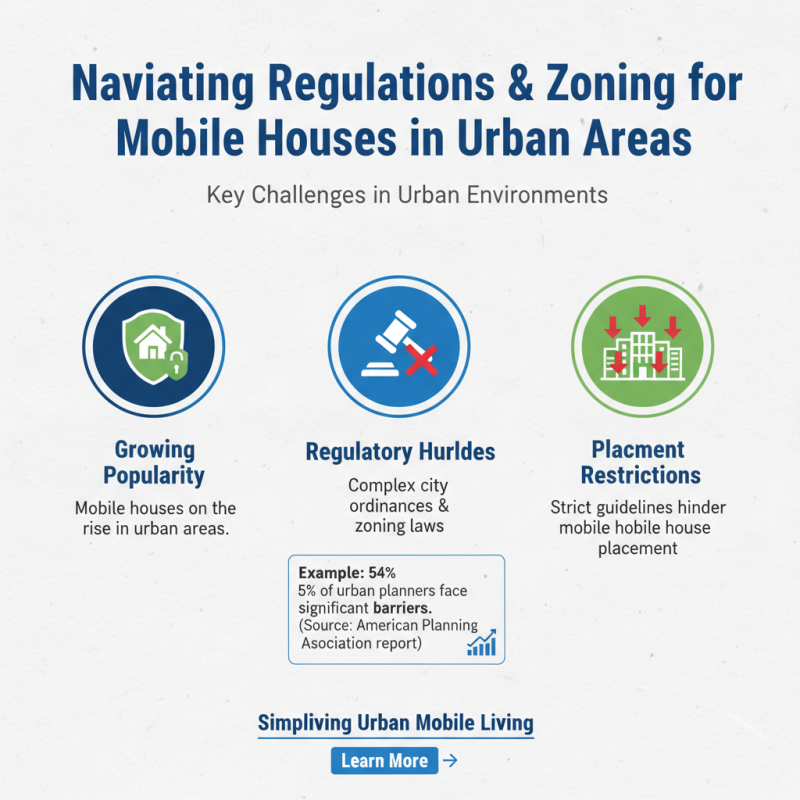
Mobile houses combine modern aesthetics with practical features. They utilize innovative designs that maximize space and efficiency. Some models even integrate smart home technology, enhancing convenience for residents. However, these houses are not without their challenges. They often face zoning regulations and financing hurdles.
Adopting mobile housing can lead to a more sustainable lifestyle. Yet, it is essential to consider community acceptance and infrastructure support. As we explore the best mobile house designs for 2026, we must address both the opportunities and challenges inherent in this sector. Embracing mobile houses can pave the way for a new era of modern living solutions.
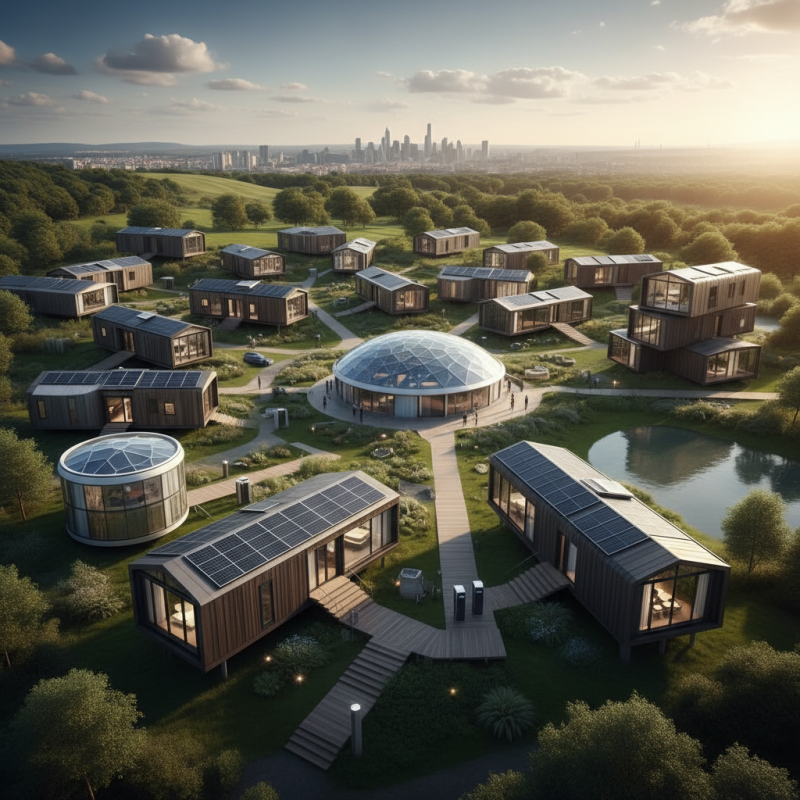
Innovative Features of 2026 Mobile House Designs for Modern Living
The 2026 mobile house designs showcase remarkable innovations addressing modern living challenges. Many designs now integrate smart home automation systems controlling lighting, temperature, and security remotely. According to the International Housing Trends Report 2025, 68% of mobile home buyers prioritize energy efficiency and automated features. This trend pushes designers to incorporate solar panels and advanced insulation materials, improving sustainability without sacrificing comfort.
Space optimization remains a key feature. Designers utilize multi-functional furniture and modular layouts, adapting interiors to various lifestyle needs quickly. However, this approach sometimes leads to cramped spaces that may feel restrictive over time. Studies indicate that nearly 40% of mobile house occupants desire more customization flexibility, revealing current designs still have room for improvement in user adaptability.
Connectivity advancements also influence mobile homes. Enhanced 5G integration supports remote working and entertainment seamlessly, vital for a mobile lifestyle. Still, network reliability varies regionally, which can disrupt these conveniences unexpectedly. As mobile house designs evolve, balancing innovation with practical, everyday use remains a challenge worth ongoing attention.
2026 Best Mobile House Designs: Innovative Features Analysis
Sustainable Materials in Contemporary Mobile House Architecture
Sustainable materials play a crucial role in modern mobile house design. They promote environmental responsibility and reduce the carbon footprint of construction. For instance, bamboo is a popular choice. It grows quickly and absorbs carbon dioxide efficiently. This rapid regeneration makes it an eco-friendly option, minimizing environmental impact.
Another innovative material is recycled steel. Using scrap metal for structural components lowers energy consumption during production. These steel frameworks can withstand harsh weather while remaining lightweight. Some designs incorporate reclaimed wood, which adds character to the interiors and reduces waste. Each piece tells a story, connecting the past to the present.
However, not every choice is flawless. Sourcing sustainable materials can sometimes mean higher costs. Builders may face challenges in availability or quality. It is essential to strike a balance between aesthetics and function. Reflecting on these factors reveals the complexity of creating truly sustainable living spaces. Each decision shapes the environment and influences future generations.
2026 Best Mobile House Designs for Modern Living Space Solutions
| Design Model |
Area (sq ft) |
Bedrooms |
Sustainable Materials |
Estimated Price ($) |
| Eco Haven |
400 |
1 |
Recycled Steel, Bamboo |
45,000 |
| Sustainabuild |
600 |
2 |
Reclaimed Wood, Solar Panels |
75,000 |
| Green Retreat |
720 |
2 |
Hemp Insulation, Wood Fiber |
85,000 |
| Modular Eco Pod |
300 |
1 |
Recycled Plastics, Cork |
30,000 |
| Nature House |
900 |
3 |
Straw Bales, Bamboo |
120,000 |
Space Optimization Techniques in Modern Mobile House Designs
Mobile house designs are revolutionizing modern living by emphasizing space optimization. These designs are not just practical; they also promote a minimalist lifestyle. Utilizing every nook and cranny is essential in these homes.
One effective technique is multi-functional furniture. Consider a fold-out table that serves as both dining space and a work desk. This approach not only saves space but also enhances flexibility in your living area. Wall-mounted shelves can provide essential storage without consuming floor space.
Another tip is to embrace vertical living. Use tall cabinets and bookshelves to draw the eye upward. This creates an illusion of height, making the interior feel more spacious. Open floor plans can be deceptive; they feel large yet often lack storage. Evaluating the layout regularly can highlight inefficiencies and inspire changes.
While space-saving techniques are beneficial, they may sometimes feel overwhelming. It’s important to assess how each piece impacts your daily life. The simplicity of mobile living can be challenging but rewarding. Reflecting on these choices helps achieve a balanced, efficient living space.
Top Trends in Mobile House Interiors for 2026
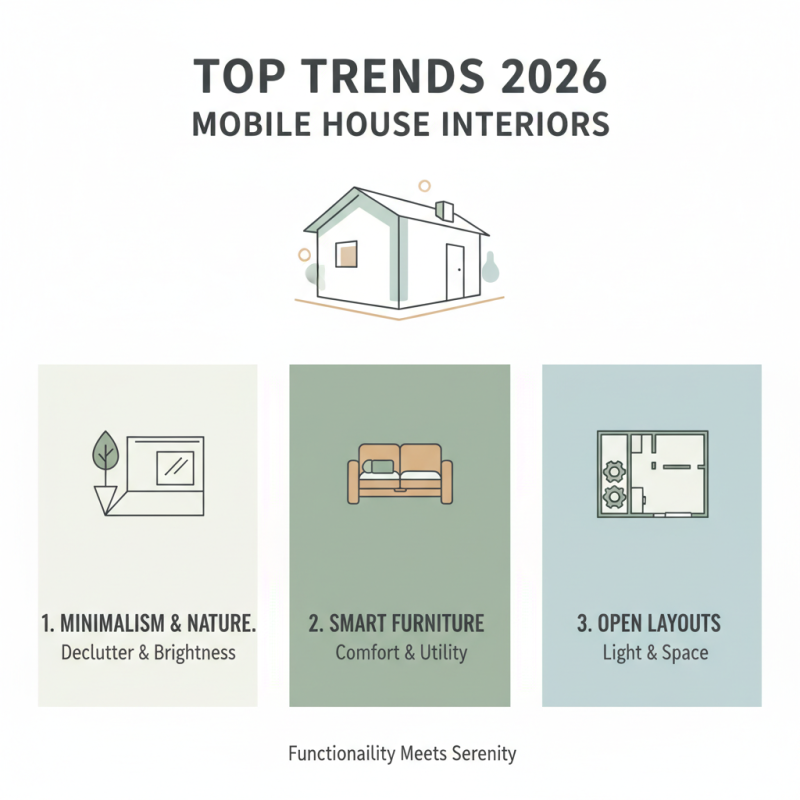
In 2026, mobile house interiors are evolving rapidly. Trends highlight a blend of minimalism and functionality. Space-saving furniture remains essential, but it now emphasizes comfort. Think transformable sofas and foldable tables that meet various needs. The exhaustion from clutter leads many to seek simpler designs. Open layouts enhance natural light and create a more spacious feel.
Sustainable materials are gaining traction. Recycled wood and eco-friendly textiles resonate deeply with environmentally conscious homeowners. However, blending style and sustainability can be challenging. Some struggle to find affordable options that align with these values. Smart technology integration transforms how these spaces operate. Automatic systems control lighting and temperature, but they come with concerns about reliance on tech.
Color palettes are shifting towards earthy tones. These hues create a calming atmosphere that contrasts sleek designs. However, bold accents in decor can disrupt this tranquility. Homeowners must balance vibrant elements with their overall vision. The challenge lies in creating a cohesive look while ensuring comfort and warmth in smaller living spaces. Each choice reflects individual values and lifestyle preferences.

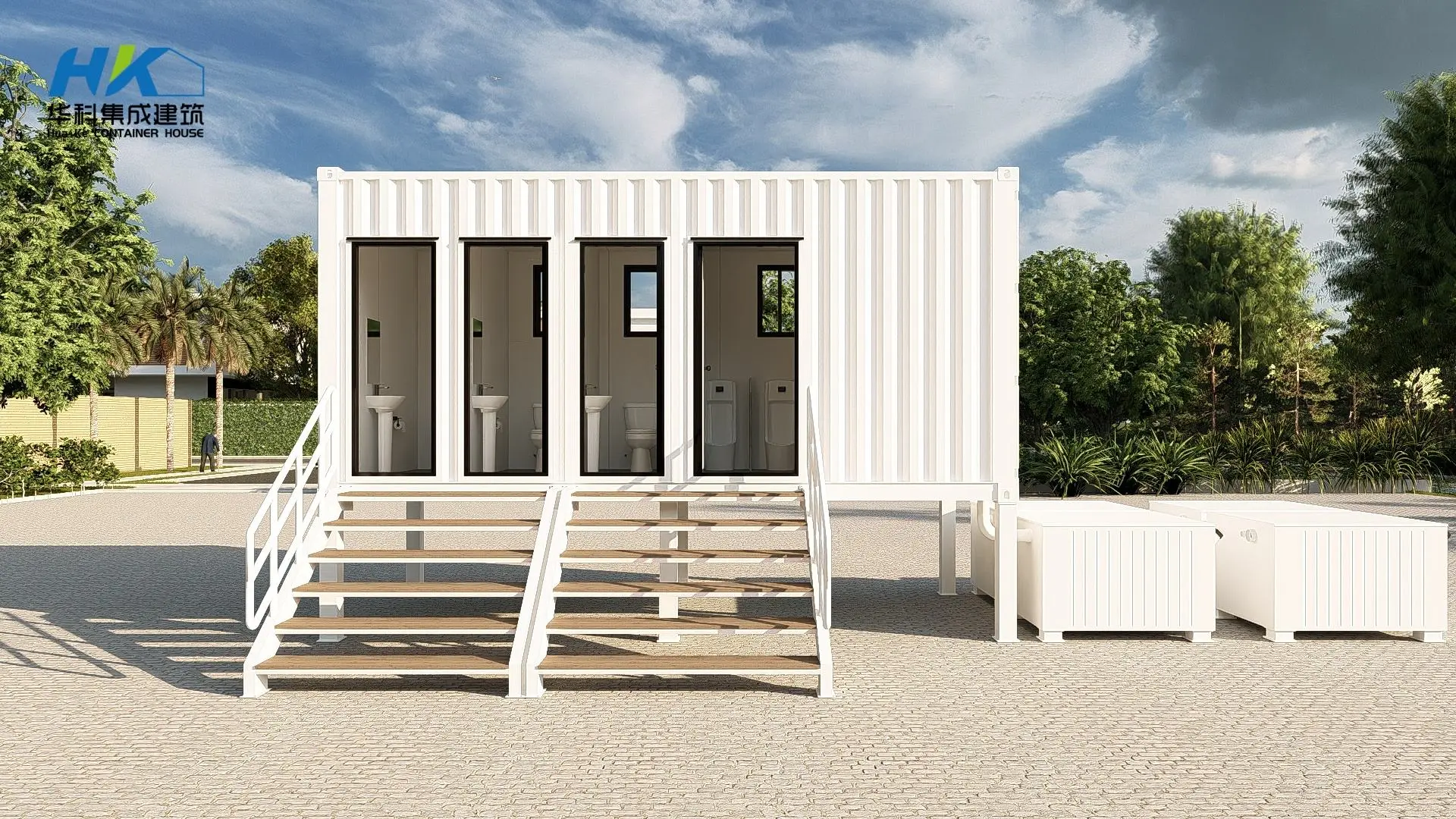 Contianer Toilet