Exploring the Best Prefab House Designs in China for Modern Living
In today's fast-paced world, the demand for sustainable living solutions has surged. Prefab houses are gaining traction, thanks to their innovative designs and practicality. According to Dr. Mei Zhang, a leading expert in sustainable architecture, “Prefab houses represent the future of efficient living.” Her insights highlight the paradigm shift in how we approach home construction.
China's prefab house industry is evolving rapidly, blending modern aesthetics with efficient construction methods. These houses can be built in a matter of weeks and offer a plethora of designs that cater to diverse lifestyles. However, challenges remain. While prefab houses promise rapid installation, concerns about durability and environmental impact still need thoughtful consideration.
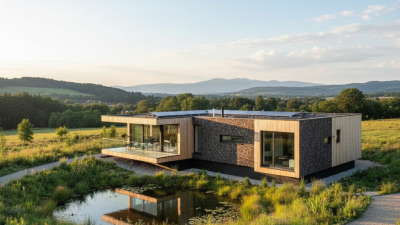
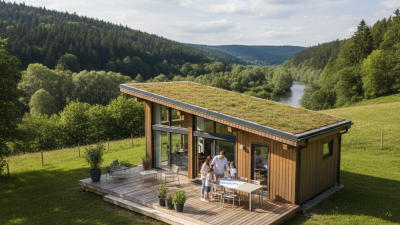
The diversity of designs ranges from compact, modular units to spacious family homes. Each model invites potential homeowners to rethink traditional housing norms. As the market grows, critical evaluations of both benefits and drawbacks are essential for ensuring the long-term reliability of prefab houses.
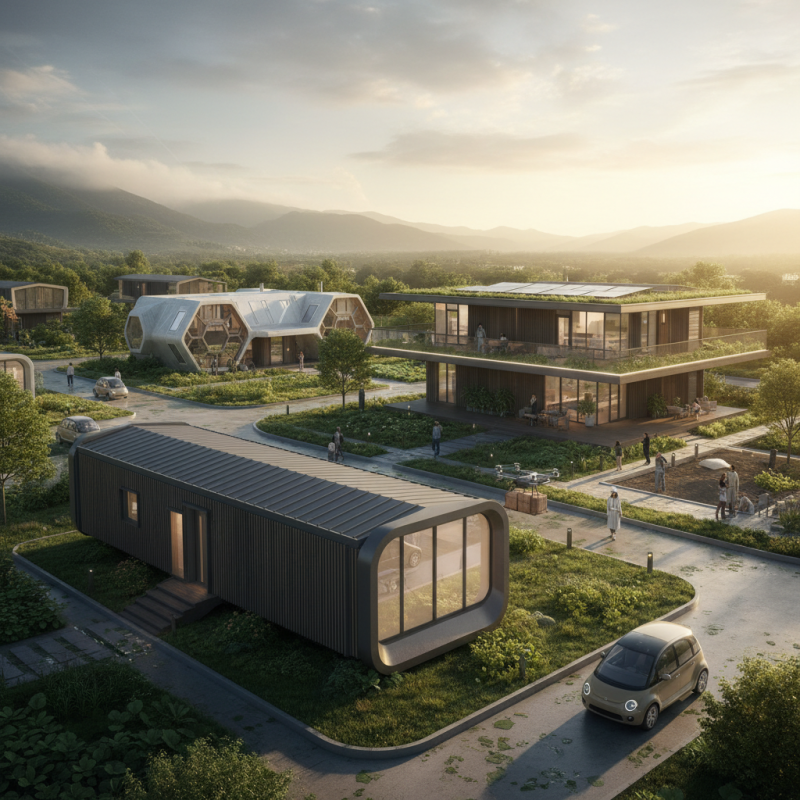
Understanding Prefabricated Houses: Definition and Types
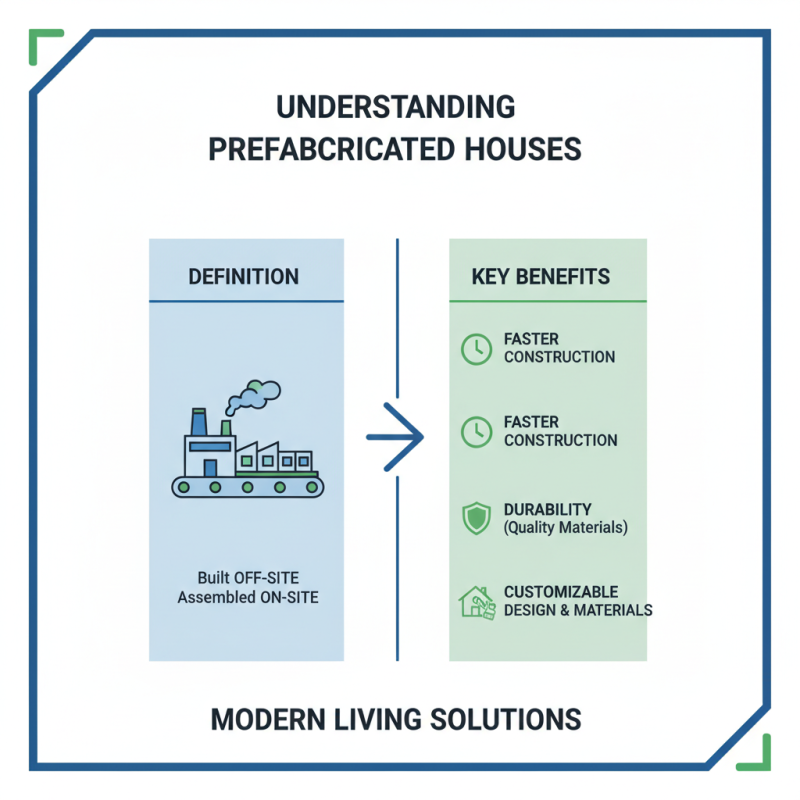
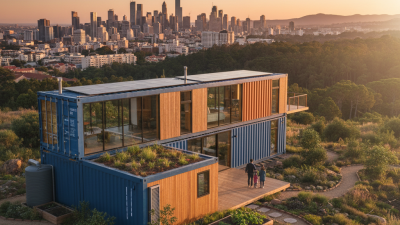
Prefabricated houses, or prefab homes, offer unique benefits for modern living. These structures are built off-site and then assembled on location. This process can significantly reduce construction time. Moreover, the use of high-quality materials ensures durability. Yet, the choice of material and design can greatly impact the overall aesthetic. It's crucial to consider these aspects when selecting a prefab design.
There are several types of prefabricated houses available in China today. Modular homes consist of pre-made sections that arrive ready to be put together. Panelized homes use large panels for walls and roofs, allowing for quicker assembly. Another popular type is the mobile homes, designed for easy relocation. Each type caters to different needs and budgets. However, prospective homeowners should be mindful of zoning regulations that may affect the placement and design of these homes.
While prefab homes promise efficiency, they are not without challenges. Integration into the local environment can be tricky. Some designs might clash with traditional architecture. Embracing modern aesthetics is essential, yet it requires thoughtful planning. Homeowners should reflect on their lifestyle needs and local context before choosing their prefab design.
Historical Development of Prefab House Designs in China
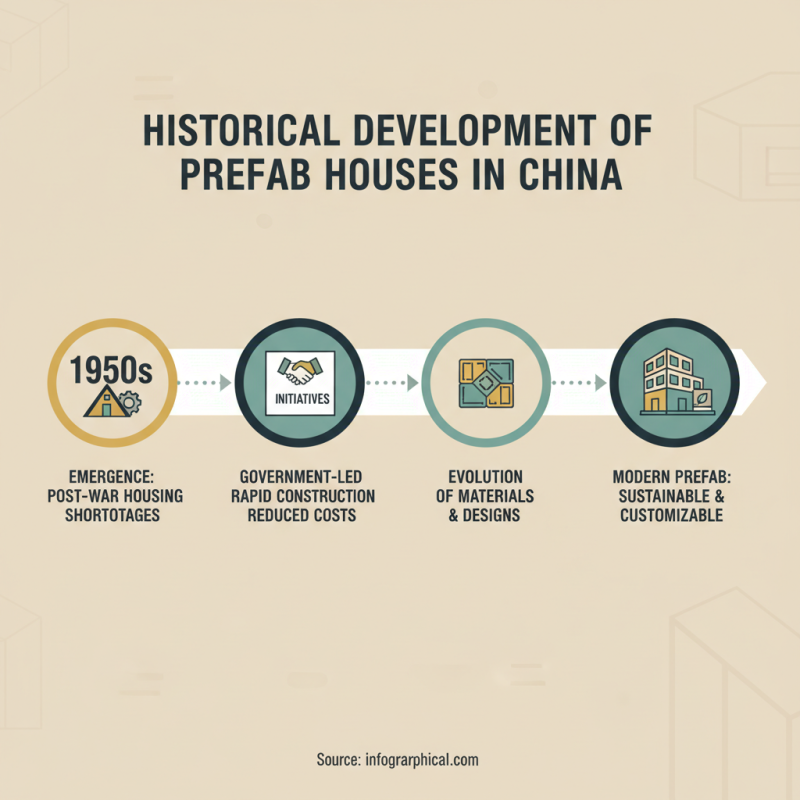
Prefab houses in China have a fascinating history. They emerged during the 1950s, driven by the need for quick housing solutions. The government encouraged the use of prefabricated materials to address shortages. This approach allowed for rapid construction and reduced costs.
In the 1980s, innovation surged. Architects began to explore new materials and designs. This period saw the rise of modern aesthetics in prefab homes. Today, minimalistic designs focus on sustainability and efficiency. Traditional elements blend with contemporary styles, marking a unique identity.
Tips for choosing a prefab home: consider local climate impacts. For example, insulation is crucial in cold regions. Look for materials that suit the environment. Prioritize energy efficiency to reduce long-term costs. Reflect on the layout to maximize space usage. Customization can enhance both function and style.
Key Features of Modern Prefab Houses for Contemporary Lifestyles
Modern prefab houses have revolutionized contemporary living in China. They embody design innovation while addressing urgent housing needs. A report by the China Construction Industry Association highlights a 15% increase in the adoption of prefab homes over the past three years. This trend aligns with urbanization demands and sustainability goals.
Key features of modern prefab houses include efficient space utilization and eco-friendly materials. Many designs integrate solar panels and rainwater harvesting systems, promoting a greener lifestyle. Data shows that these homes can reduce energy consumption by up to 30%. However, challenges remain in durability and insulation. Some prefab houses have faced critiques related to long-term weather resistance.
Customization is another significant aspect. Homebuyers can modify layouts and finishes to fit their lifestyles. Yet, there is a tension between personalization and production efficiency. Achieving high-quality results often requires balancing speed with craftsmanship. As the industry progresses, continuous improvement in design and construction methods is vital to fulfilling consumer expectations.
Exploring the Best Prefab House Designs in China for Modern Living
| House Type |
Size (sqm) |
Number of Bedrooms |
Materials Used |
Energy Efficiency Rating |
| Compact Cottage |
50 |
1 |
Wood, Steel |
A+ |
| Family Modular |
120 |
3 |
Concrete, Glass |
A |
| Luxury Prefab Villa |
200 |
4 |
Wood, Aluminum |
A++ |
| Eco-Friendly Home |
100 |
2 |
Recycled Materials |
A+ |
| Modern Zen House |
80 |
2 |
Bamboo, Steel |
A |
Top Chinese Architects and Companies Leading Prefab Innovations
In recent years, prefab houses have gained popularity in China as efficient and modern living solutions. Leading this trend are innovative architects and companies focusing on sustainability and design. A recent report by Research and Markets indicated that the prefab construction market in Asia is expected to grow at a CAGR of 6.6% until 2026. This surge underlines the significance of modernization in homebuilding and the pivotal role of new materials and technologies.
Key architects are rethinking traditional designs, incorporating eco-friendly materials and smart home technologies. The result is houses that are not only affordable but also energy-efficient. Many designs prioritize natural light and open spaces, promoting a sense of well-being. However, challenges persist. Sourcing quality materials and maintaining craftsmanship can be difficult. Moreover, the rapid expansion sometimes leads to aesthetic uniformity in designs.
Tip: When considering a prefab home, research local regulations regarding zoning and construction. This can save time and prevent future problems.
Another aspect is customization. While many designs are pre-generated, there's room for personalization. Engaging with architects early can yield innovative features tailored to unique lifestyles. Be wary, though; some companies may promise more than they can deliver. Evaluating portfolios and client feedback is essential for making informed choices.
Sustainability and Eco-Friendliness in Modern Prefab Construction
Modern prefab homes are changing the landscape of sustainable living in China. As urbanization surges, the demand for eco-friendly housing becomes critical. Statistics show that the construction industry contributes nearly 50% of global CO2 emissions. Prefab buildings, constructed off-site and transported to their final locations, significantly reduce waste. They can be assembled in days rather than months, minimizing disruption.
Using sustainable materials is essential. Many prefab designs feature recycled steel, wood, and eco-friendly insulation. Research indicates that using these materials can reduce energy consumption in homes by up to 30%. Moreover, prefab homes often incorporate renewable energy systems, such as solar panels. These features not only lower utility costs but also promote a greener lifestyle.
Still, challenges persist in prefab construction. Not every design is widely accepted, and zoning laws can hinder expansion. Additionally, while the technology behind prefab homes is advancing, skepticism remains. Some people question the durability and aesthetic of modular designs. The road ahead involves more education and transparency about benefits and limitations. Addressing these issues will be crucial for wider adoption of sustainable prefab living in modern China.

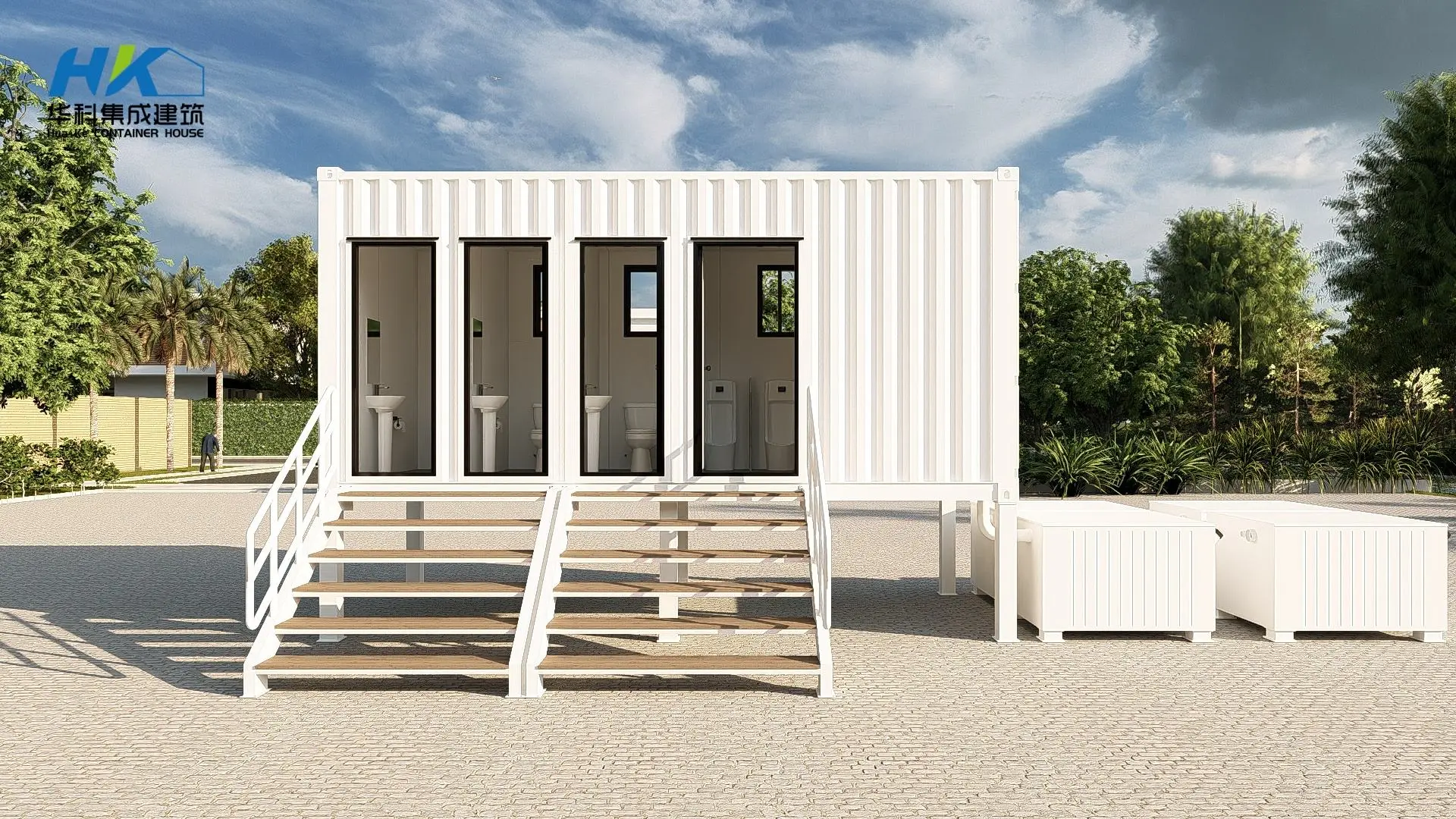 Contianer Toilet