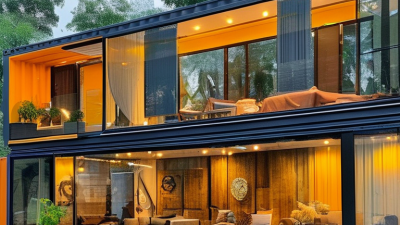
2026 Best Affordable Container Homes for Global Buyers?
As the demand for innovative and affordable living solutions rises globally, affordable container homes have emerged as a compelling option. According to Sarah Thompson, a leading expert in sustainable architecture, "Affordable container homes redefine modern living by combining cost-effectiveness with eco-friendly design." This perspective highlights the trend towards sustainability and affordability in housing.
The design of affordable container homes often challenges traditional notions of living spaces. These homes utilize shipping containers as their foundation, which allows for unique architectural possibilities. Many buyers appreciate that these structures are not only economical but also customizable. However, the initial investment and potential zoning restrictions can be obstacles worth considering.
In 2026, potential buyers have numerous options available. Yet, it's essential to conduct thorough research. Each container home presents its own advantages and challenges. Choosing the right home requires careful thought, especially regarding location and livability. The growth in this industry points to a shift in how we perceive housing today.
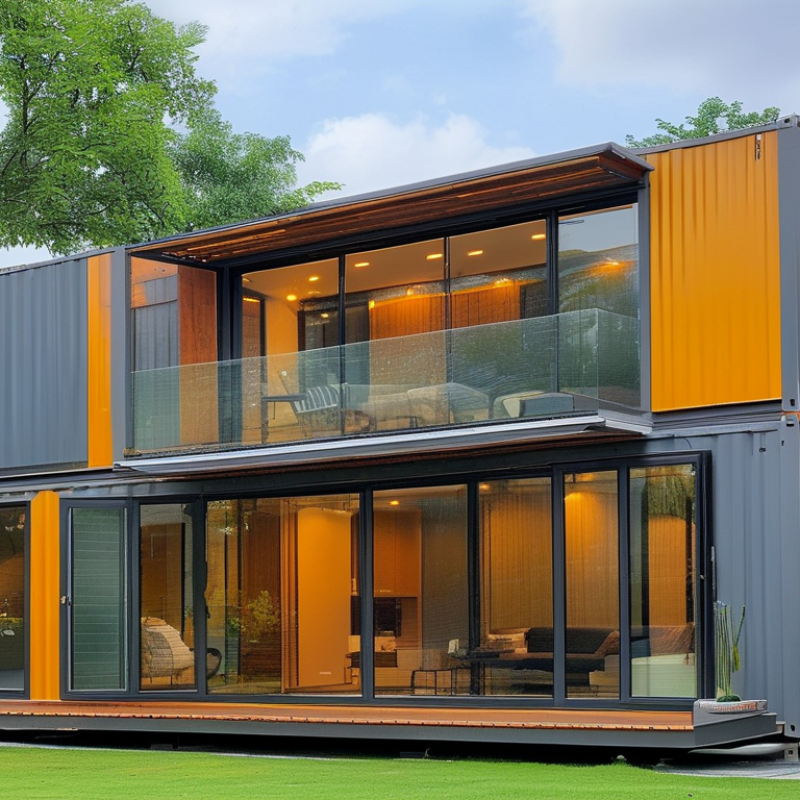
Overview of Affordable Container Homes: 2026 Trends
In 2026, affordable container homes are gaining traction. These homes offer a sustainable and cost-effective solution for many buyers worldwide. With the rise of eco-conscious living, more people are looking to repurpose containers. They are versatile and can be designed to reflect individual styles. Functionality and aesthetics are key.
Many architects are creating innovative designs using shipping containers. However, not all designs are functional. Some layouts may hinder natural light or create awkward spaces. It's important to evaluate plans thoroughly. Smart storage solutions and open floor plans are gaining popularity. These elements maximize space and improve livability.
Additionally, customization is a central theme this year. People want homes that tell their stories. Although many options exist, finding the perfect mix can be challenging. Buyers should prioritize their needs over aesthetics. After all, a beautifully designed container may not serve daily functions efficiently. Balancing style and practicality remains crucial for successful living spaces.
Benefits of Choosing Container Homes for Global Buyers
Container homes are becoming increasingly popular among global buyers. One key benefit is cost-effectiveness. Research shows that constructing a container home can save up to 30% compared to traditional homes. This affordability is crucial for buyers looking for budget-friendly housing options.
Another significant advantage is sustainability. Using repurposed shipping containers reduces waste. According to the Environmental Protection Agency, construction accounts for about 10% of the total waste generated in the U.S. By choosing container homes, buyers contribute to a circular economy. This eco-friendly approach is appealing to those prioritizing environmental impact.
Flexibility in design is another aspect worthy of consideration. Container homes can be easily modified or expanded to fit personal needs. However, buyers must reflect on potential challenges, such as insulation and ventilation. Adapting these structures to different climates requires careful planning. Overall, the rise in container home popularity highlights their unique advantages for global buyers.
2026 Best Affordable Container Homes for Global Buyers
| Model |
Size (sq ft) |
Price (USD) |
Bedrooms |
Location |
Sustainability Features |
| EcoCompact Home |
320 |
$25,000 |
1 |
USA |
Solar panels, Rainwater harvesting |
| Minimalist Container |
400 |
$30,000 |
1 |
Canada |
Green insulation, Energy-efficient design |
| Modular Living |
640 |
$45,000 |
2 |
Australia |
Recycled materials, Natural ventilation |
| Family Oasis |
960 |
$60,000 |
3 |
New Zealand |
Passive solar heating, Greywater recycling |
| Urban Retreat |
500 |
$35,000 |
2 |
UK |
LED lighting, Smart home technology |
Key Features to Look for in Budget-Friendly Container Homes
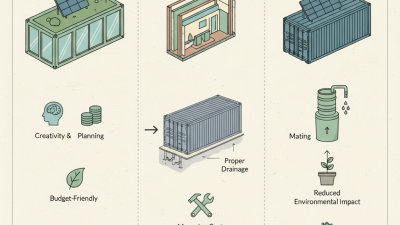
When searching for affordable container homes, it’s crucial to identify key features that ensure quality without breaking the bank. Budget-friendly doesn’t mean compromising on essential aspects. Focus on insulation and ventilation. Proper insulation keeps the home warm in winter and cool in summer. Ventilation is vital for air quality and comfort.
Consider the layout and size of the container. Smaller homes can be more cost-effective but be mindful of livability. Open floor plans can create an illusion of space. Also, investigate the quality of materials used in construction. Cheap materials might save money initially but can lead to costly repairs later.
**Tips:** Look for homes with recycled materials. They often provide durability and sustainability. Think about future expansion possibilities. A flexible design allows for growth without major renovations later. Always verify the reputation of builders. Reliable builders ensure that your investment lasts a long time.
Top Affordable Container Home Designs for 2026
Container homes are gaining popularity for their affordability and unique designs. In 2026, many buyers seek innovative options that fit their budgets. These homes can be customized in various ways, creating personal spaces while maintaining cost-effectiveness. Each design tells a story, reflecting the owner's taste and lifestyle.
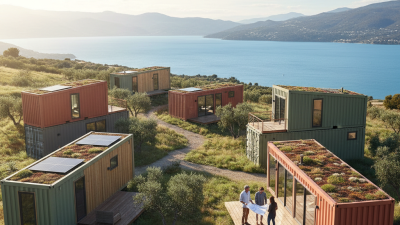
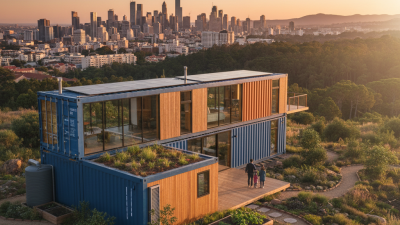
Architects explore new materials and techniques to enhance container homes. Eco-friendly designs utilize sustainable resources, promoting environmental consciousness. Many models incorporate natural lighting and outdoor living spaces, integrating nature into daily life. However, potential buyers should consider zoning laws and structural limitations. Some designs may present challenges during construction or require significant modifications.
The future of container homes looks promising. Creative layouts are continuously evolving. While these homes present many advantages, they may not suit everyone's needs. It's vital for buyers to weigh their options and assess personal priorities. A deeper understanding of the building process helps in making informed decisions. Embracing the imperfections allows for a more authentic living experience.
2026 Best Affordable Container Homes for Global Buyers
Global Market Insights: Pricing and Availability of Container Homes
Container homes have gained attention globally for their affordability and sustainability. The market is expanding, driven by interest in innovative living solutions. Prices for container homes vary widely based on size, design, and location. Basic models can start around $20,000, while custom builds may reach $200,000 or more. Understanding these dynamics is crucial for potential buyers.
Availability is another important factor. Some regions have more options than others. In urban areas, the demand for smaller, stylish containers is growing. However, rural areas may offer more space for larger models. Buyers should research local regulations as well. These rules can impact construction timelines. Inspecting the local market for materials and labor is wise. Delays or increased costs can crop up unexpectedly.
While many container homes promise quick assembly, the reality can be different. Some buyers report issues with insulation and weatherproofing. These challenges can lead to higher renovation costs. Ensuring that the build meets local standards is non-negotiable. Potential buyers should also consider future resale value. As trends shift, what seems affordable today might require investment down the line.

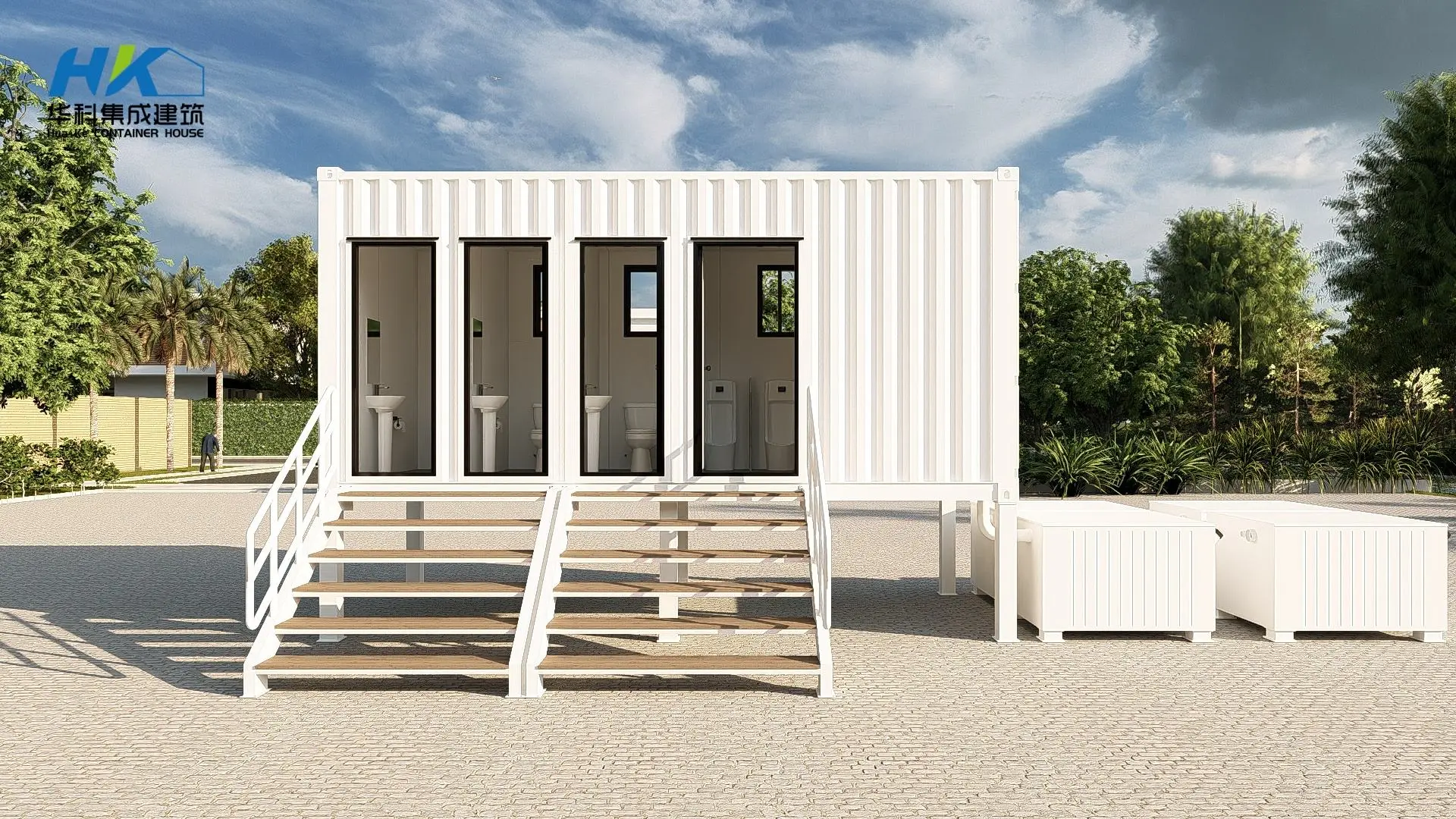 Contianer Toilet