Top 10 Benefits of Choosing a Modular House for Your Next Home?
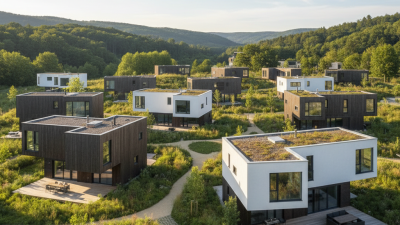
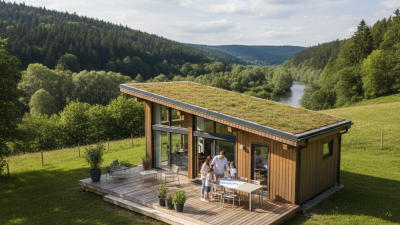
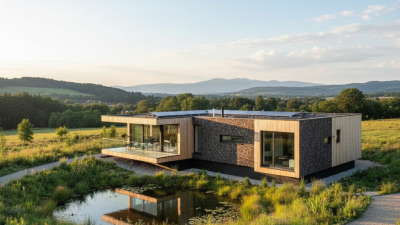
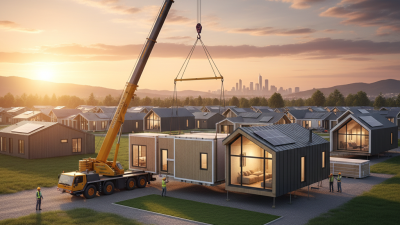
Choosing a Modular House for your next home presents numerous advantages. Modular homes are often more affordable than traditional houses. They offer flexibility in design and ensure faster construction times. Moreover, many buyers appreciate their eco-friendly features.
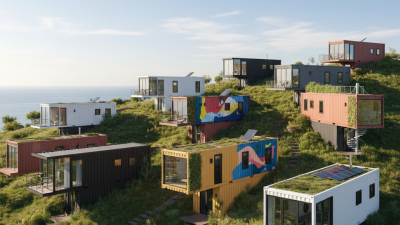
Modular Houses can be customized to fit various lifestyles. You can choose from various layouts and finishes. This adaptability is appealing to families with diverse needs. However, some might worry about quality or resale value. While they are built to high standards, misconceptions linger in the market.
In addition, selecting a Modular House can help you save on energy bills. They often incorporate modern insulation techniques, reducing long-term expenses. Nevertheless, it’s crucial to ensure that your chosen model has all necessary certifications. Finding a trusted supplier can also be a challenge. Consider the importance of thorough research in making the best choice for your home.
Benefits of Modular Houses: Understanding Cost-Effectiveness in Construction
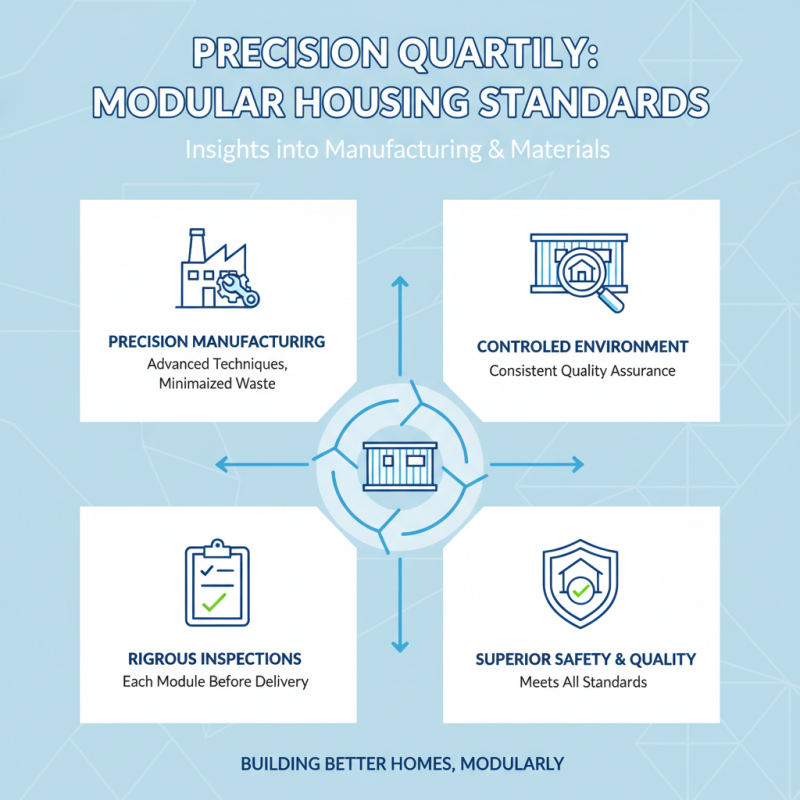
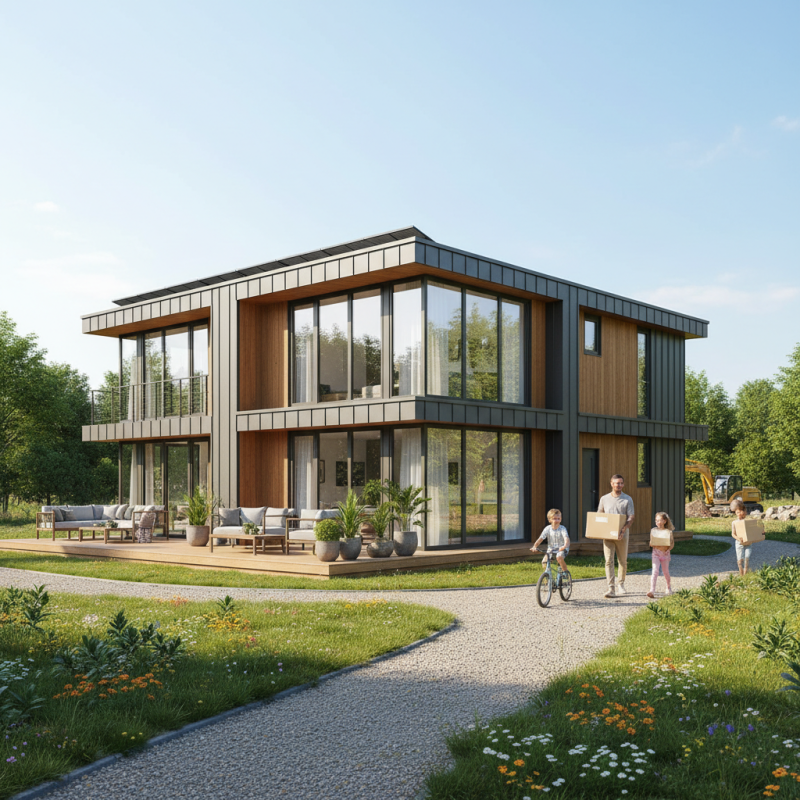
Modular houses are becoming a popular choice for many homebuyers. They offer significant cost-effectiveness in construction, which is hard to ignore. The process of building a modular house is streamlined. Most of the construction occurs in a factory setting, which can drastically reduce labor costs and construction waste. Modular designs often require fewer materials, leading to lower expenses overall.
However, not all modular homes are the same. Some options may leave little room for customization. Buyers should carefully evaluate their choices. While the upfront costs are lower, long-term value can vary. Resale value may depend on location and market demand. It's crucial to analyze these factors before deciding.
In addition, financing a modular home can be tricky at times. Some lenders treat them differently than traditional homes. This can create hurdles for buyers. Potential homeowners should seek advice to navigate these challenges effectively. Embracing the benefits of modular housing requires informed decision-making and careful planning.
Energy Efficiency: How Modular Homes Reduce Utility Expenses and Waste
Modular homes have gained popularity due to their energy efficiency. They are designed with modern technology, which minimizes energy consumption. For instance, high-quality insulation helps maintain comfortable indoor temperatures throughout the year. This results in lower utility bills, saving homeowners money in the long run. Additionally, many modular designs optimize natural light, reducing the need for artificial lighting during the day.
These homes often use sustainable materials. This choice reduces waste during construction. Many modular homes are built in factories, leading to less on-site waste. However, not all manufacturers prioritize eco-friendly practices, which can be a concern for some buyers. It's essential to research the environmental impact of the materials used in each model.
Relying on traditional building methods might seem familiar, yet they contribute to higher energy costs. Yet, some might argue that modular homes lack unique character. Individual tastes vary, and not everyone enjoys the same aesthetic. Balancing efficiency with personal style is a challenge. This aspect calls for reflection on what homeowners value most in their living spaces.
Customization Options: Tailoring Your Modular Home for Individual Needs
Customization is one of the key advantages of modular homes. Buyers can choose layouts that fit their lifestyles. From the number of bedrooms to the kitchen design, the options are vast. Do you love an open floor plan? It’s easy to incorporate. Maybe you prefer cozy, defined spaces. This choice is yours to make.
Materials also play a big role in customization. You can select everything from countertops to flooring. Each detail matters in creating a personal touch. Want eco-friendly options? There are choices for that too. However, some may find the options overwhelming. Too many choices can lead to decision fatigue. It’s important to narrow down what truly matters to you.
Moreover, personalization extends to energy efficiency. Homeowners can opt for features that reduce energy costs. Solar panels or energy-efficient windows are great examples. Yet, consider the long-term benefits versus the initial costs. Sometimes, it requires difficult trade-offs. Balancing aesthetics, functionality, and budget is not always easy. It's essential to think it through.
Speed of Construction: The Impact of Prefabrication on Project Timelines
Modular houses are reshaping the construction landscape. One standout benefit is their speed of construction. Prefabricated components can be built in a factory, reducing timelines significantly. According to recent industry data, modular construction can cut the building timeline by up to 50%. This rapid process meets the urgent needs of many homeowners.
Construction delays are common in traditional building. Weather conditions, labor shortages, and unforeseen challenges extend project timelines. Modular homes, however, have parts made before site preparation even begins. A study by the National Institute of Building Sciences highlighted that modular projects can lead to occupancy within mere months.
Despite these advantages, there are considerations. Not all designs fit every location or zoning requirement. Also, the reliance on factory production may lead to quality control issues. Homeowners should be aware of these potential drawbacks. Engaging with reliable builders and understanding local regulations can help mitigate risks.
Speed of Construction: The Impact of Prefabrication on Project Timelines
This chart illustrates the average construction timelines (in days) for traditional building methods compared to modular houses. The data shows a significant reduction in time when opting for modular construction techniques.

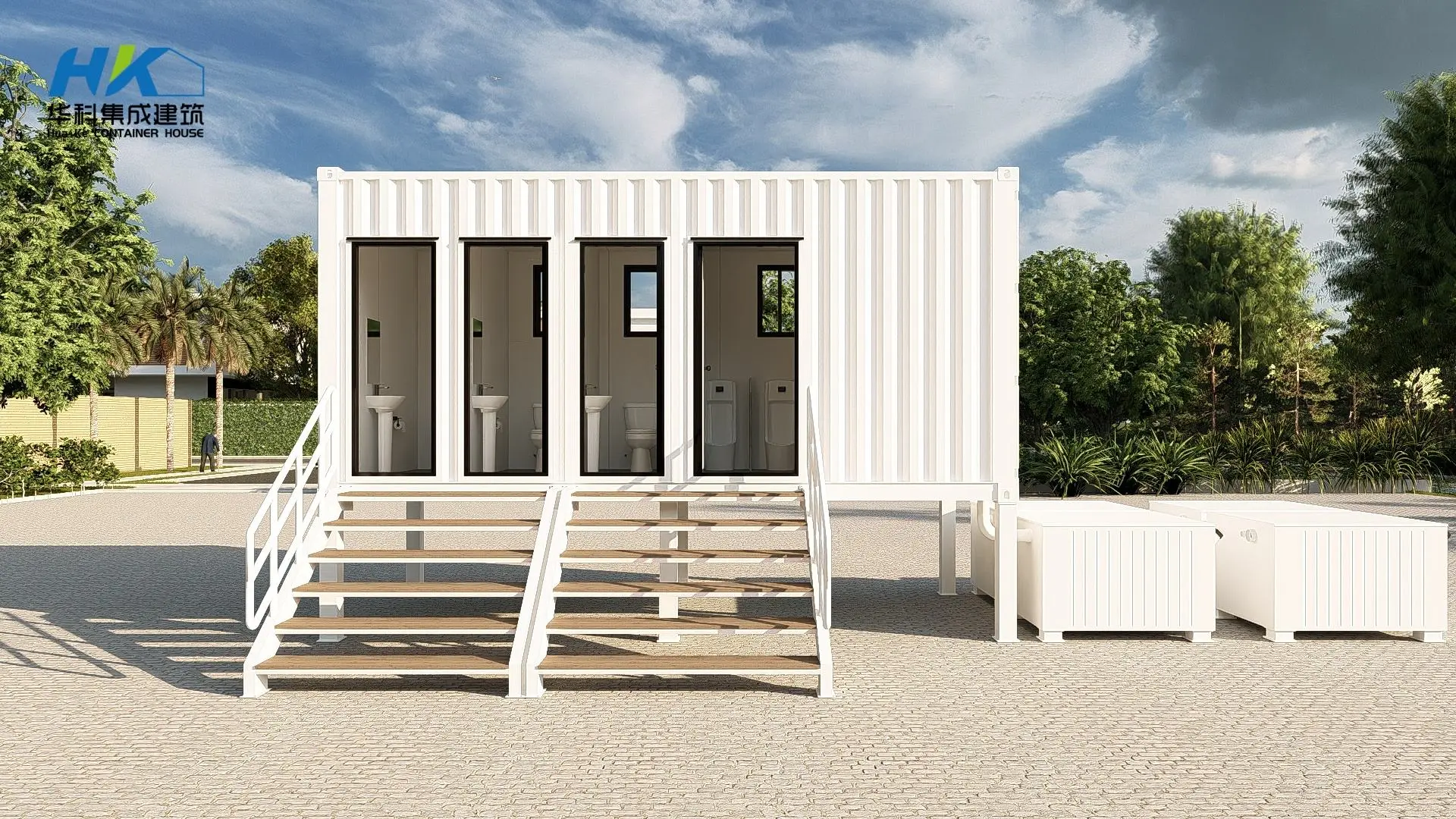 Contianer Toilet