2026 How to Build a Modular House Efficiently and Affordably?
In recent years, the demand for affordable housing has surged. The Modular House industry has emerged as a viable solution. According to a report by the Modular Building Institute, modular construction can reduce building time by up to 50%. This efficiency appeals to many, but can it truly meet the promise of affordability?
Experts like Dr. Sarah Johnson, a noted figure in modular construction, emphasize that "modular homes can provide both quality and efficiency if managed properly." Yet, challenges remain. The costs can still vary significantly depending on location and design complexity. Building standards are crucial but sometimes overlooked, leading to potential quality issues.
Moreover, consumers often face a steep learning curve. Understanding the modular process requires clear communication and transparency from manufacturers. While modular houses present an innovative solution to housing shortages, not all companies prioritize quality. Reflecting on these factors is essential for anyone looking to invest in a Modular House.
Understanding Modular Housing: Concepts and Benefits
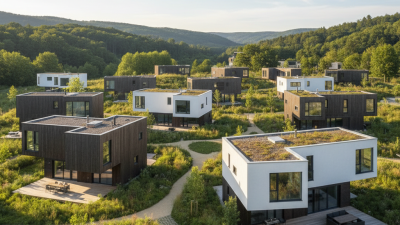
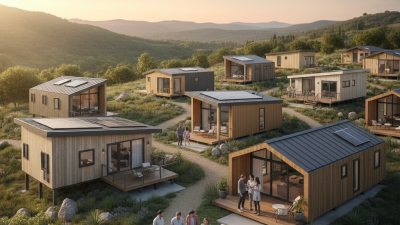
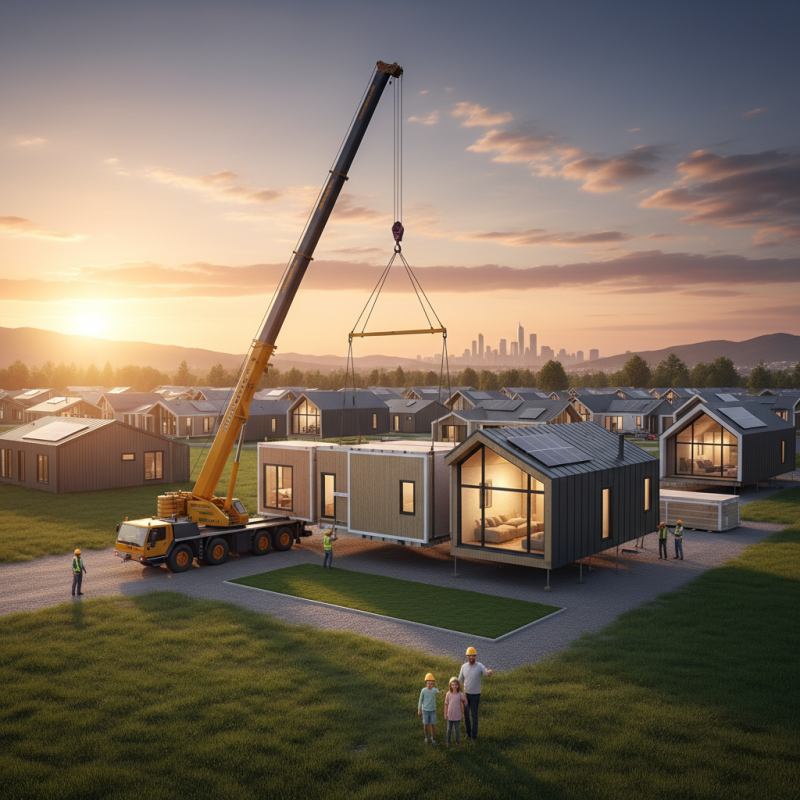
Modular housing provides innovative solutions for modern living. This concept allows homes to be constructed off-site in sections, known as modules. These modules are then transported and assembled on the property. One benefit is efficiency. Construction time is significantly reduced compared to traditional methods. Builders can avoid many weather-related delays. However, this doesn't mean all challenges vanish.
Cost savings are another appealing aspect of modular homes. They can be more affordable than site-built houses. Standardization often leads to bulk purchasing discounts. Still, the initial investment can be daunting for some. Not all modular homes meet the aesthetic or functional expectations of potential owners. Personalization can add costs, raising concerns about budget overruns.
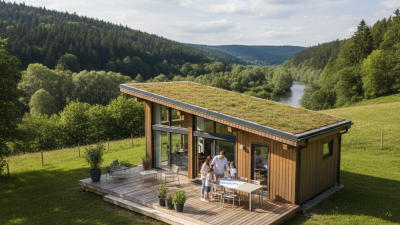
Sustainability is often overlooked. Many modular homes utilize eco-friendly materials. Energy-efficient designs are common, reducing utility bills. Yet, not all builders prioritize these practices. Prospective homeowners must ask questions. They need to ensure their new home aligns with their values. Navigating this landscape requires careful consideration. Potential buyers should be aware that not every modular house is right for them.
Planning Your Modular House: Essential Considerations and Design Choices
When planning your modular house, consider various crucial factors. Start by defining your
budget and timeline. Assess your financial
capabilities. Some designs can be cost-effective but may lack desired features. Seek a balance between
affordability and quality.
Choose the right location for your modular home. Soil quality,
zoning laws, and access to utilities matter. These factors impact overall project costs. Avoid
overlooking land preparation expenses. Selecting the perfect setting is essential for long-term satisfaction.
Design choices also require careful thought. Open floor plans
maximize space but might not suit everyone. Customization options provide unique touches but can inflate costs.
Always question whether these features align with your lifestyle. Reflect on your choices to ensure
they serve your needs effectively.
Selecting Materials: Cost-Effective and Sustainable Options
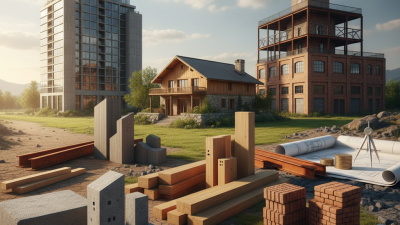
When selecting materials for a modular house, cost-effectiveness and sustainability are crucial. Consider wood that comes from responsibly managed forests. This choice supports both the environment and your budget. Recycled materials, like reclaimed wood or metal, offer unique aesthetic appeal. These options are often cheaper and reduce landfill waste.
Insulation is another key factor. Opt for eco-friendly insulation made from recycled materials or natural fibers. These materials help reduce energy costs and enhance comfort. However, it's essential to research their long-term performance. Some might not offer the same benefits as traditional insulation.
Don’t overlook durable fixtures. They might seem more costly upfront, but they save money over time. Low-flow faucets and energy-efficient lighting reduce water and electricity bills. Some materials might require more maintenance than expected. Be prepared for that possibility, and choose wisely. A thoughtful approach leads to a home that is both efficient and affordable.
2026 How to Build a Modular House Efficiently and Affordably? - Selecting Materials: Cost-Effective and Sustainable Options
| Material Type |
Cost per Square Foot |
Sustainability Rating |
Durability (Years) |
Energy Efficiency |
| Recycled Steel |
$5.00 |
A+ |
50+ |
High |
| Bamboo |
$3.50 |
A |
20-30 |
Medium |
| Straw Bales |
$2.00 |
A |
50+ |
High |
| Concrete |
$7.00 |
B |
75+ |
Moderate |
| Reclaimed Wood |
$6.00 |
A |
30-40 |
Medium |
Construction Process: Steps to Build Your Modular House Efficiently
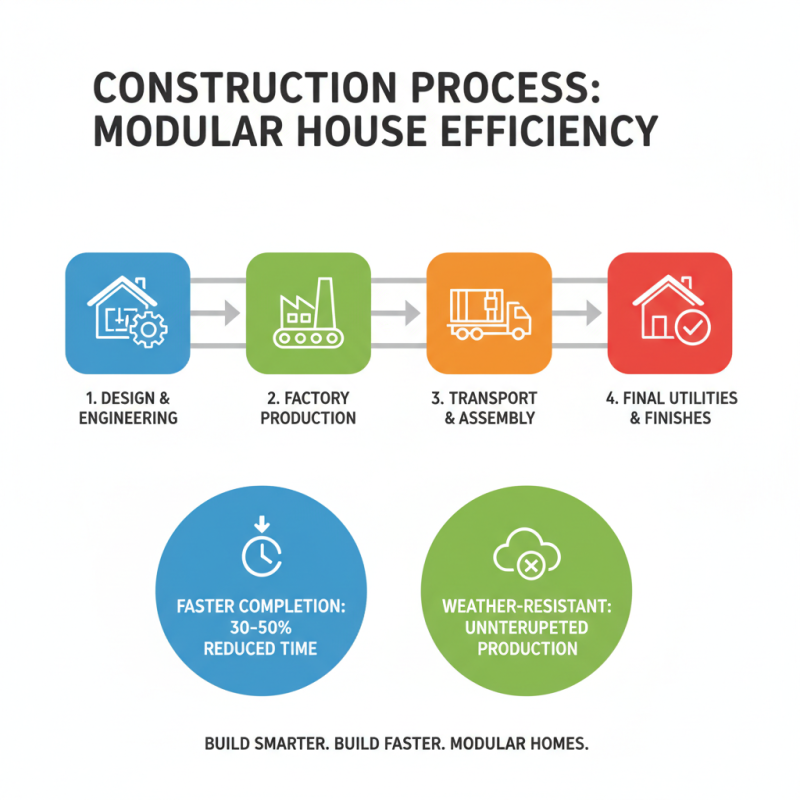
Building a modular house can be both efficient and affordable. The construction process involves several key steps that streamline the entire workflow. A major advantage is the significant reduction in construction time. Studies show that modular homes can be completed 30-50% faster than traditional homes. This efficiency arises from factory production methods, where work can proceed unaffected by weather delays.
Selecting quality materials is essential. Engaging with reliable suppliers ensures durability and design flexibility. However, challenges may arise in aligning schedules between the factory and on-site work. Coordination issues can lead to delays if not managed properly. Moreover, some components might need custom adjustments, which can save time but may inflate costs unexpectedly.
Budgeting effectively is crucial. While modular homes can reduce costs, unexpected expenditures are still possible. Emerging data shows that around 15% of modular construction projects experience budget overruns. It's vital to conduct thorough research and allocate contingency funds. Identifying areas of potential overspending early can help mitigate financial risks throughout the building process.
Financing Your Modular Home: Budgeting and Affordability Strategies
Financing a modular home can be a challenging task. Start with a clear budget. Determine how much you can afford without straining your finances. Expect both upfront costs and ongoing expenses. Modular homes can be cheaper than traditional builds, but hidden fees may arise. Research local contractor prices. Know your land costs too.
Consider various financing options. Many lenders offer specific loans for modular homes. These can differ from traditional mortgages. Understand your credit score before applying. A higher score often means better rates. Yet, many people overlook this step. Some might find their score lower than expected.
Budgeting can be tricky. Remember to factor in utilities and landscaping. Many realize later that these costs add up. Don’t underestimate the importance of contingency funds. If your plans change, it can impact your budget significantly. Planning for the unexpected is vital. Mistakes can happen, leading to stress. Reflect on areas to improve as you move forward.

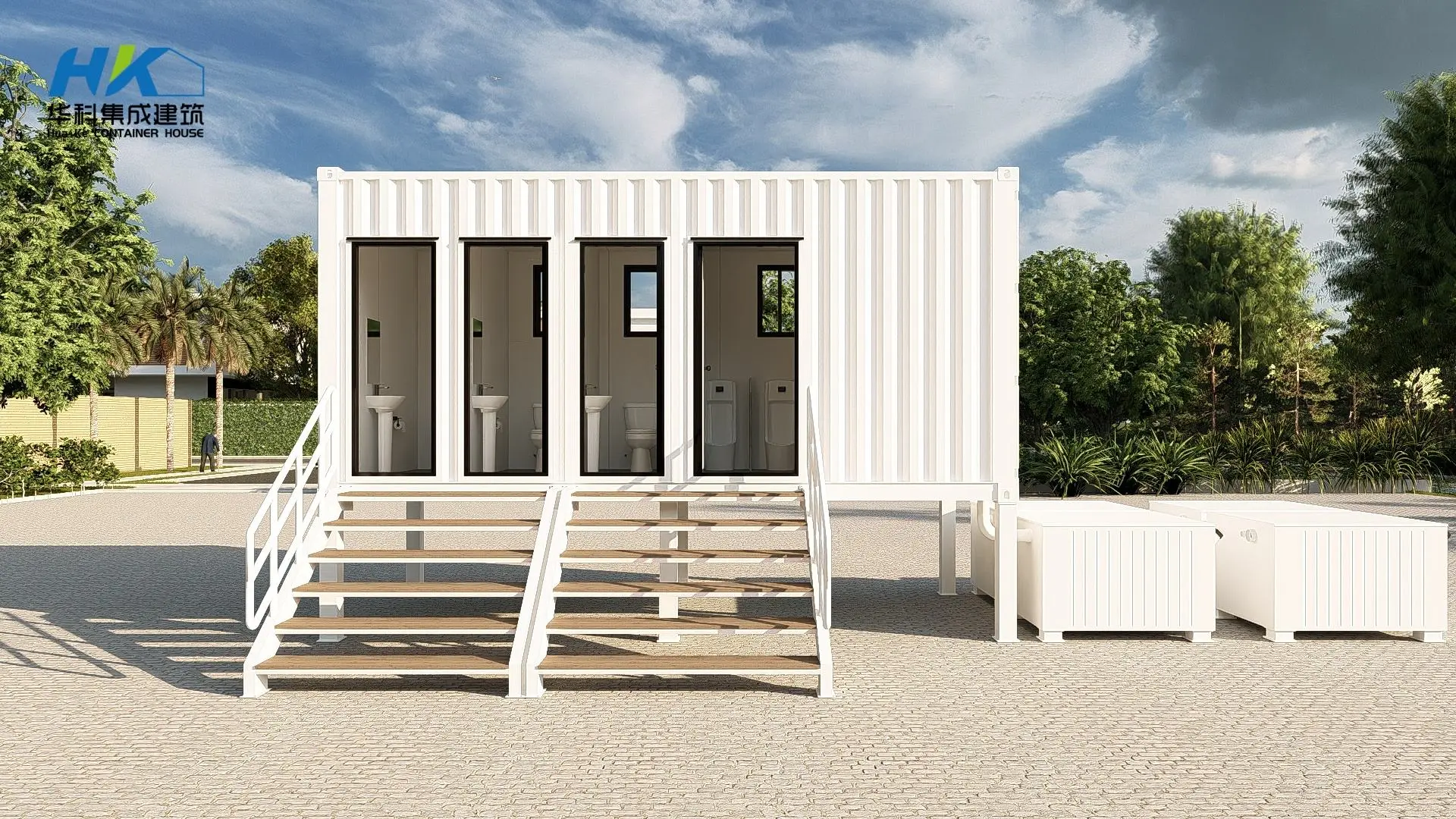 Contianer Toilet