China Top Prefabricated House Innovations and Trends in Modern Living?
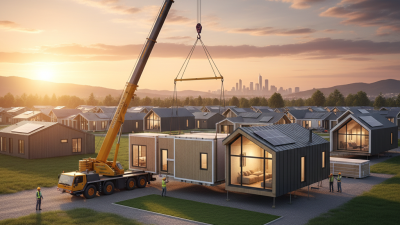
In recent years, the concept of the Prefabricated House has gained significant attention in China. Its rise reflects a shift toward modern living, driven by efficiency and sustainability. Prefabricated houses are built off-site and assembled on location, offering a streamlined construction process. This innovation not only reduces labor costs but also shortens the building timeline.
However, this trend comes with challenges. Quality control can be an issue, and the initial setup costs may deter some buyers. Additionally, there are concerns about the environmental impact of materials used. Therefore, as the demand for prefabricated homes grows, it is essential to address these issues for a truly sustainable future.
China's innovations in prefabricated housing are not just about technology; they also shape the way urban populations experience space. As cities expand, these homes can provide quick solutions to housing shortages. Yet, they will require thoughtful design to ensure comfort and community integration. The ongoing evolution of prefabricated houses invites reflection on our values in modern living.
China's Prefabricated Housing Industry Overview
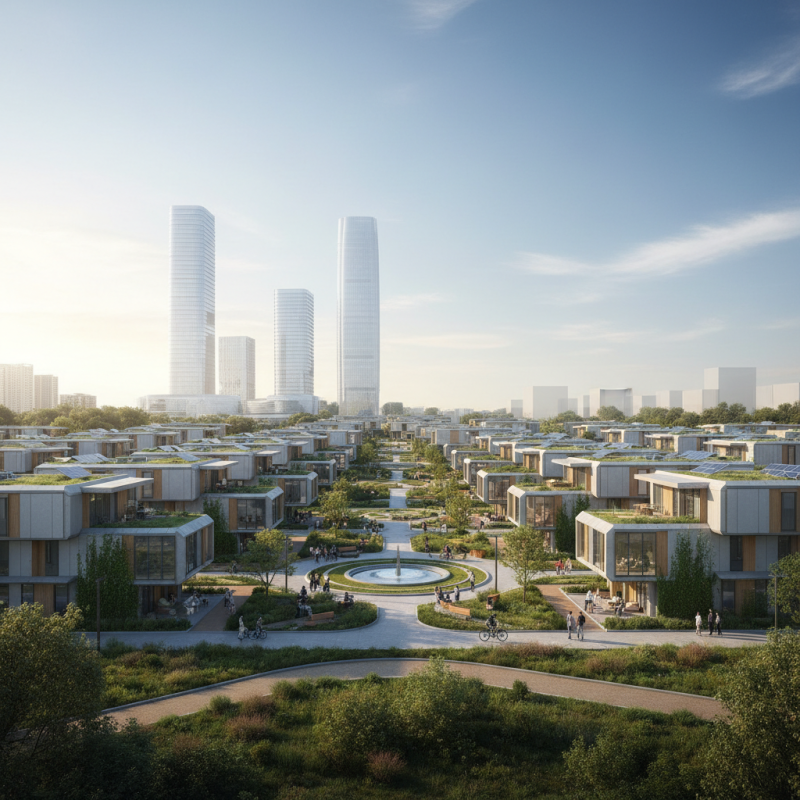
China's prefabricated housing industry is rapidly evolving. According to the China Prefabricated Building Industry Report 2023, the market size reached approximately $60 billion last year. This growth is driven by the need for sustainable and efficient housing solutions. Prefabricated homes offer quicker construction times and reduced waste compared to traditional building methods.
Innovations in this sector focus on improved insulation materials and modular designs. Data from the National Bureau of Statistics indicate that over 20% of new residential buildings in urban areas are now prefabricated. However, quality control remains a challenge. Reports suggest issues with durability and scalability. These factors can lead to consumer skepticism about the longevity of prefabricated structures.
Moreover, the COVID-19 pandemic has accelerated the shift towards affordable housing solutions. Cities like Shenzhen and Tianjin are leading in prefabricated construction projects. Yet, these initiatives face regulatory hurdles and public perception issues. Addressing these concerns will be vital for future growth.
Key Innovations in Prefabricated House Design and Technology
The landscape of prefabricated houses in China is rapidly changing. Designers are leveraging advanced materials and construction techniques. For instance, lightweight steel frames and eco-friendly insulation materials are becoming standard. These innovations not only enhance structural integrity but also improve energy efficiency.
Moreover, modular design is gaining traction. Prefabricated sections can be produced off-site and assembled on location. This speeds up construction time and reduces costs. Many designs now include smart technology integration. Automated systems control lighting and temperature, promoting a sustainable lifestyle.
However, these advancements raise questions. Are these homes truly customizable? Some users feel limited by standard designs. There is also the issue of durability. While materials are innovative, long-term performance remains a concern. Adapting to changing needs can be challenging in a rigid modular framework. Overall, the innovations in prefabricated houses are exciting yet invite deeper scrutiny.
Sustainability Trends in Prefabricated Housing Solutions
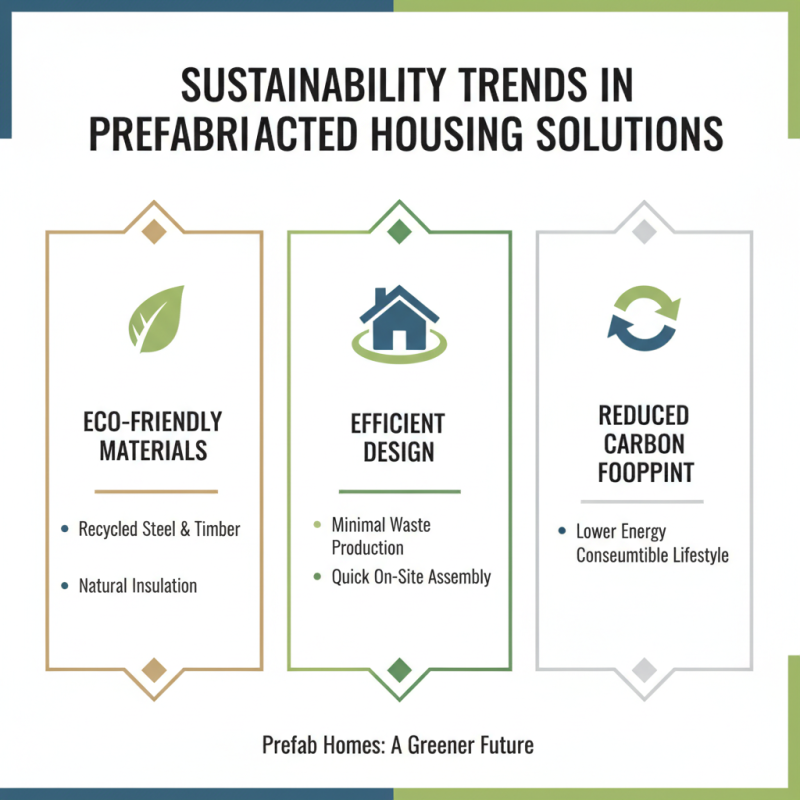
In recent years, sustainability has become a pivotal focus in the prefabricated housing market. Today’s consumers are increasingly aware of their carbon footprints. Prefabricated homes offer an efficient solution. These units are designed for minimal waste and quick assembly. They often use eco-friendly materials that bind aesthetics with performance.
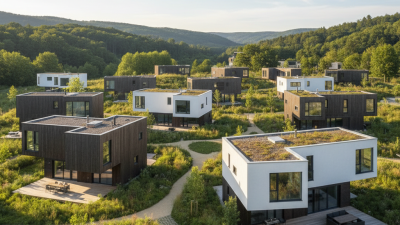
Sustainable practices in construction extend beyond materials. Energy-efficient designs are essential. Innovations such as solar panels and rainwater harvesting are now common. They not only reduce energy costs but also promote a sustainable lifestyle. Outdoor spaces are integrated into designs, encouraging a connection with nature. However, challenges such as local regulations can hinder progress.
Some prefabricated homes are still expensive, limiting accessibility. The market needs to balance sustainability with affordability. Not every innovative design leads to success in practical applications. As the technology evolves, so must our approach. Flexibility and local adaptation will be crucial. This shift will allow prefabricated homes to truly embody sustainable living ideals.
The Role of Prefabricated Houses in China's Urbanization
The rapid pace of urbanization in China has created a pressing need for efficient housing solutions. Prefabricated houses are emerging as a viable answer to this challenge. These structures can be assembled quickly, providing immediate shelter for residents. They often utilize innovative materials that reduce waste and energy consumption. This approach is not just practical but also supports sustainable living.
Tips for effective prefabrication include focusing on local materials. Sourcing materials nearby can minimize transportation emissions. Additionally, consider modular designs that allow for easy expansion. Such flexibility is crucial as urban populations continue to rise.
While prefabricated houses offer many advantages, challenges remain. Some designs may not fully reflect local culture or aesthetics. It's important to engage the community in the planning process. This involvement ensures that the homes feel like true neighborhoods, not just buildings. Thoughtful integration of prefabricated homes can enhance urban landscapes and foster community ties.
China Top Prefabricated House Innovations and Trends in Modern Living
| Innovation/Trend |
Description |
Impact on Urbanization |
Sustainability Features |
| Modular Construction |
Building homes in sections off-site and assembling them on-site. |
Accelerates the construction process and meets housing demand. |
Uses eco-friendly materials and reduces waste. |
| Smart Home Technology |
Integration of IoT devices for improved energy management. |
Enhances living standards and energy efficiency in urban settings. |
Promotes energy conservation and reduces carbon footprint. |
| Hybrid Prefabrication |
Combining prefabricated and traditional construction methods. |
Offers flexibility and meets diverse urban needs. |
Utilizes sustainable practices from both construction methods. |
| Flexible Space Design |
Designing homes that can adapt to different family sizes and needs. |
Addresses urban population changes and housing shortages. |
Encourages longevity and reduces the need for new builds. |
| Green Building Standards |
Adhering to eco-certifications and building codes for sustainability. |
Promotes environmentally friendly urban development. |
Minimizes environmental impact through regulated practices. |
Future Directions and Challenges for Prefabricated Homes in China
Prefabricated homes in China are evolving rapidly. There is a strong push for sustainability and efficiency in construction methods. Innovative designs incorporate eco-friendly materials and energy-efficient technologies. However, there are significant challenges ahead. The demand for affordable housing grows. Yet, not all prefabricated homes meet quality standards. This inconsistency affects public trust and market growth.
Another crucial aspect is urban planning. Cities are expanding, creating a need for well-planned communities. Some prefabricated homes lack proper integration with local infrastructure. Public transportation and utilities must be considered for long-term success. Many developers are aware of these issues, but solutions are often slow to implement.
Consumer education is another hurdle. Not everyone understands the benefits of prefabricated homes. Misconceptions about durability and aesthetics persist. Addressing these misconceptions through proper outreach is essential. Engaging potential homeowners can enhance confidence in modern prefabricated designs. The path forward requires collaboration among builders, policymakers, and consumers.

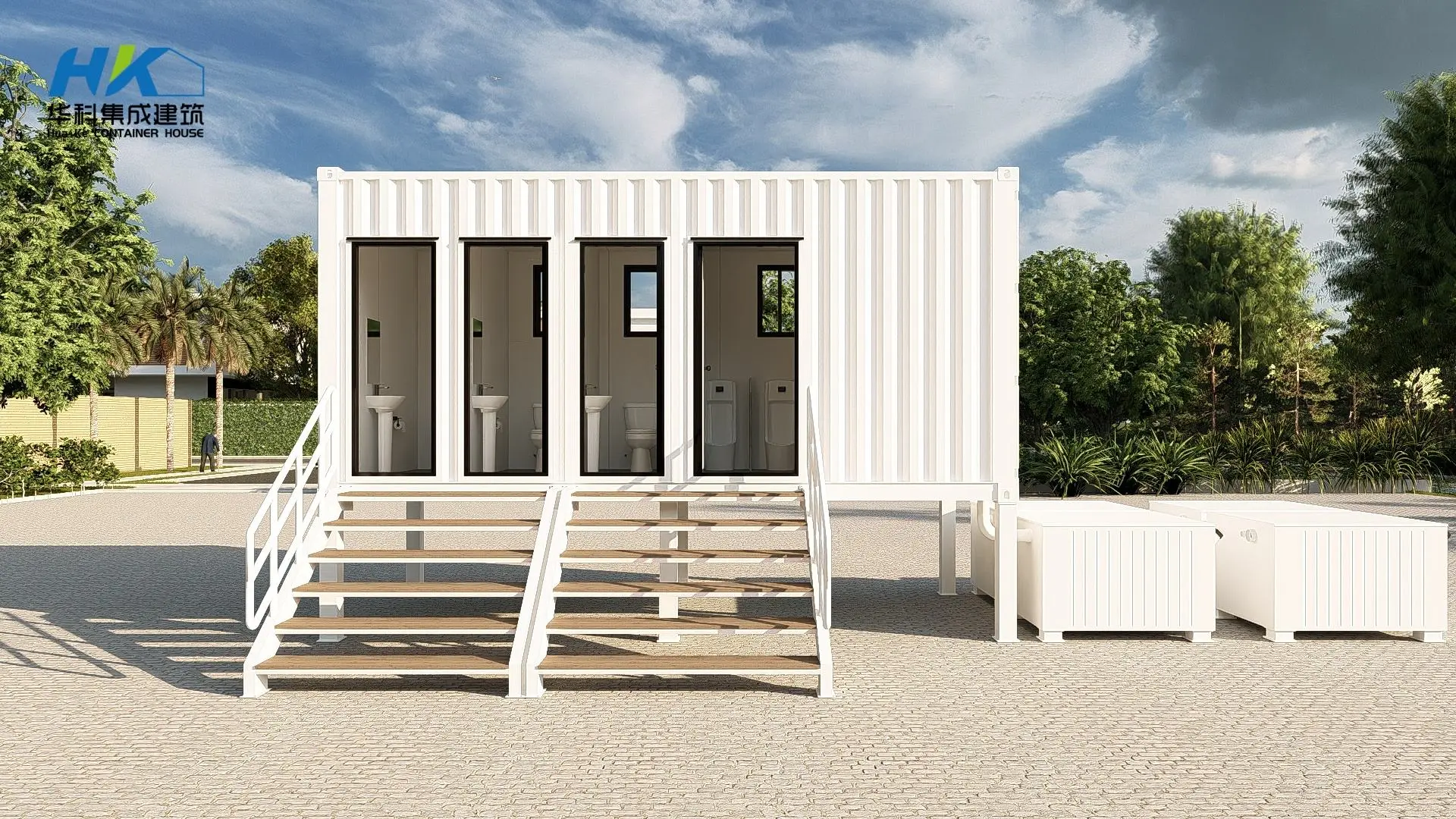 Contianer Toilet