What is a Mobile House and How Does it Work?
The concept of a Mobile House has gained popularity in recent years. This innovative housing solution caters to those seeking flexibility and a nomadic lifestyle. Unlike traditional homes, Mobile Houses are designed to move. They can be transported easily from one location to another.
Mobile Houses offer a unique blend of comfort and convenience. They can vary in size and layout, accommodating different needs. Many are equipped with modern amenities. This makes them appealing for both permanent and temporary living. However, the quality and durability of these houses can vary. It is crucial to research and choose wisely.
Living in a Mobile House presents both opportunities and challenges. While it provides freedom and mobility, it also requires careful planning. Residents must adapt to smaller spaces and a simpler lifestyle. This choice may not suit everyone. Understanding the pros and cons is essential for potential buyers.
What is a Mobile House? Definition and Key Features
A mobile house, often referred to as a manufactured home, is a structure designed for mobility. These homes are built in factories and then transported to various locations. Key features include affordability, customization options, and energy efficiency. According to the U.S. Census Bureau, mobile homes accounted for 6.8% of the total housing stock in 2022. This statistic underscores their growing relevance in the housing market.
One notable aspect of mobile houses is their design flexibility. Homeowners can choose from various layouts and materials, tailoring their space to personal preferences. However, the moveable nature raises questions about stability in extreme weather conditions. Some reports suggest that mobile homes are more susceptible to wind damage compared to traditional houses. Understanding these risks is crucial for potential buyers.
Energy efficiency is frequently highlighted in reports. Mobile houses can incorporate advanced insulation and energy-efficient appliances, which align with modern environmental standards. However, the quality can vary significantly based on manufacturer standards. This inconsistency can lead to experiences that differ widely among residents. Evaluating these features becomes essential for ensuring a safe and comfortable living environment.
Types of Mobile Houses: From Tiny Homes to Manufactured Homes
Mobile houses come in various forms, catering to diverse needs and lifestyles. From tiny homes to manufactured homes, there’s a wide spectrum of options available in the housing market today. According to a recent industry report, around 22 million people in the U.S. live in mobile or manufactured homes. This figure underscores the growing popularity of these housing types as affordable options.
Tiny homes are often less than 400 square feet. They appeal to those seeking minimalist living or downsizing. Many tiny homes offer clever storage solutions and sustainable living features. A survey indicated that nearly 50% of tiny home owners value simplicity and financial freedom over traditional living spaces. Meanwhile, manufactured homes are larger, commonly ranging from 900 to 2,400 square feet. They are built in factories and transported to sites, allowing for quicker construction times.
However, not all mobile houses meet high quality standards. Reports highlight that some manufactured homes may face issues with durability or energy efficiency. Homebuyers are advised to research builders carefully. Understanding the local regulations and standards for mobile housing is crucial. Overall, while mobile houses provide flexibility and affordability, it is important for potential residents to weigh the pros and cons mindfully.
What is a Mobile House and How Does it Work? - Types of Mobile Houses: From Tiny Homes to Manufactured Homes
| Type of Mobile House |
Size (sq ft) |
Average Cost |
Features |
| Tiny Home |
100 - 400 |
$10,000 - $80,000 |
Eco-friendly, Minimalist design, Portable |
| Manufactured Home |
400 - 2,000 |
$50,000 - $150,000 |
Built in factories, Personalizable, Often includes multiple bedrooms |
| Park Model RV |
400 - 500 |
$30,000 - $100,000 |
Designed for seasonal use, Fully equipped, Often includes a loft |
| Modular Home |
800 - 3,000 |
$100,000 - $300,000 |
Customizable, Built to code, Often placed on a permanent foundation |
| Converted Van |
60 - 250 |
$5,000 - $50,000 |
Mobility, Compact living, Can include off-grid capabilities |
How Mobile Houses are Built: Construction Process Explained
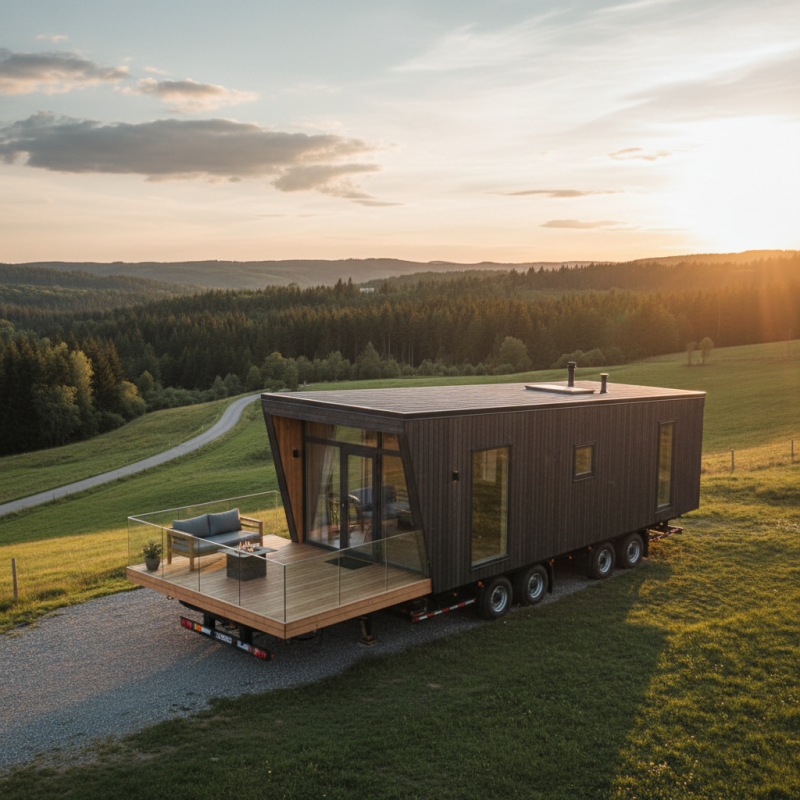
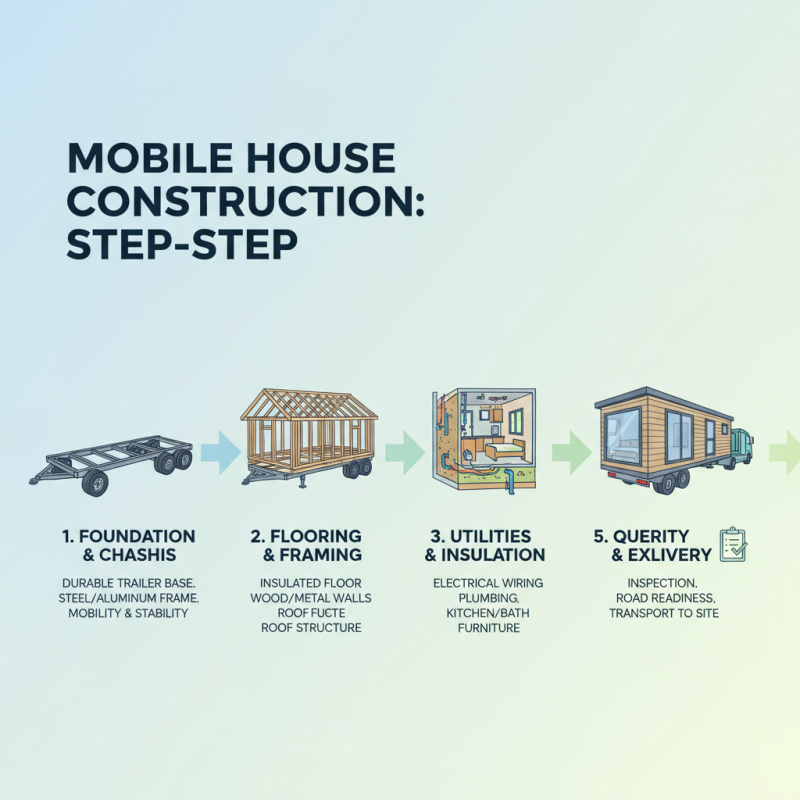
Mobile houses are a unique solution to modern living. Their construction involves a series of carefully planned steps. First, a durable trailer or chassis is selected as the foundation. This base gives the house mobility and stability. Builders often use high-quality materials to withstand varying weather conditions. Using wood, metal, or composite materials ensures longevity.
The walls and roof are constructed next. Insulation is key for energy efficiency. Many mobile houses employ eco-friendly materials that contribute to sustainability. Windows and doors are installed to enhance ventilation and natural light. Certain problems may arise during construction, such as misalignment issues. Addressing these early can save time later.
Finishing touches include plumbing, electrical, and interior design. Customization allows homeowners to infuse personal touches into their space. Mobile houses can face challenges, like utility connections, which can be complex. Experienced builders understand these hurdles and find effective solutions. Each project's distinct nature adds an element of creative problem-solving, ensuring every mobile house is unique.
Advantages of Living in a Mobile House
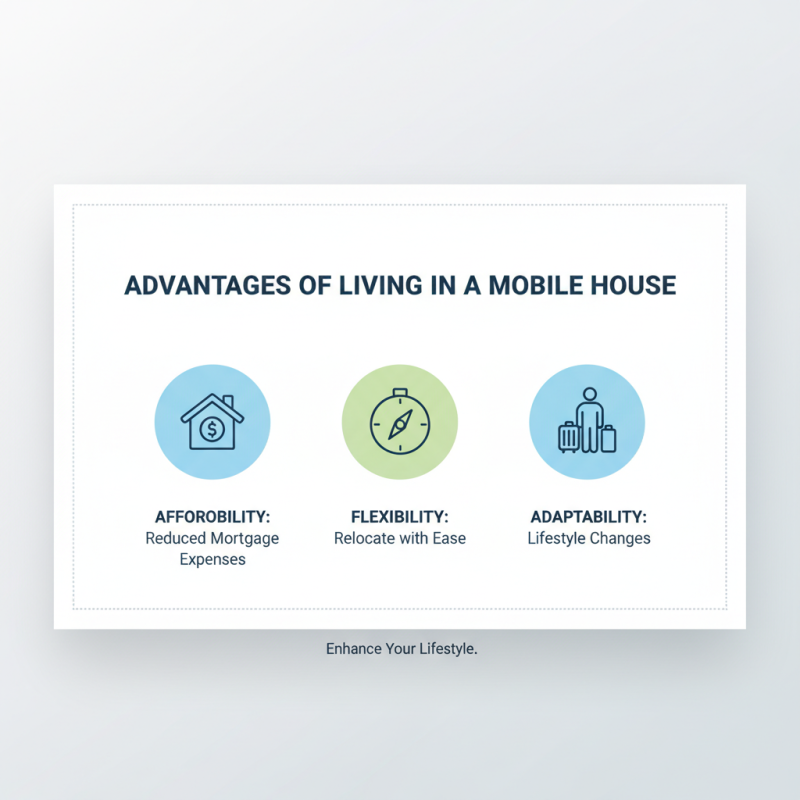
Living in a mobile house offers unique advantages that can enhance your lifestyle. These homes are often affordable, allowing families to minimize mortgage expenses. Flexibility is another key benefit. You can relocate your home as needed, whether for work or personal reasons. This adaptability allows for a lifestyle that changes with your circumstances.
TIPS: When choosing a mobile house, consider the size and layout carefully. Ensure it fits your family's needs. Research local regulations on mobile homes in your area. Investigating these rules can save you from future problems.
Mobile houses often promote a simpler way of living. They encourage minimalism and can lead to reduced clutter. However, this can also present challenges, such as limited storage space. Families must get creative with their organization. Efficient use of every inch becomes essential.
TIPS: Invest in multi-functional furniture. This can provide space-saving solutions. Keep seasonal items in storage off-site to maximize living space. Staying organized will make small living more enjoyable.
Understanding Mobility: How Mobile Houses are Transported and Installed
Mobile houses, often called tiny homes, are designed for easy transportation. They are built on a trailer chassis, allowing flexibility in location. These homes typically range from 100 to 400 square feet, catering to minimalist living. According to a report by the American Tiny House Association, around 68% of owners cite mobility as a primary reason for choosing a mobile house.
Transporting a mobile house requires careful planning. Before moving, owners need to check local regulations. Many states have specific rules regarding mobile home transport. A professional moving company often ensures compliance with these laws. The home must be securely fastened during transport to prevent damage. Statistics show that improper towing can lead to a 25% increase in accidents.
Upon reaching the new location, the installation process begins. The home is leveled and connected to utilities. Some owners opt for permanent foundations, while others keep it mobile. Reports indicate that about 30% of mobile house owners move their homes frequently, highlighting a need for adaptability. This lifestyle does present challenges; not all areas allow mobile homes, and finding suitable land can be complicated.

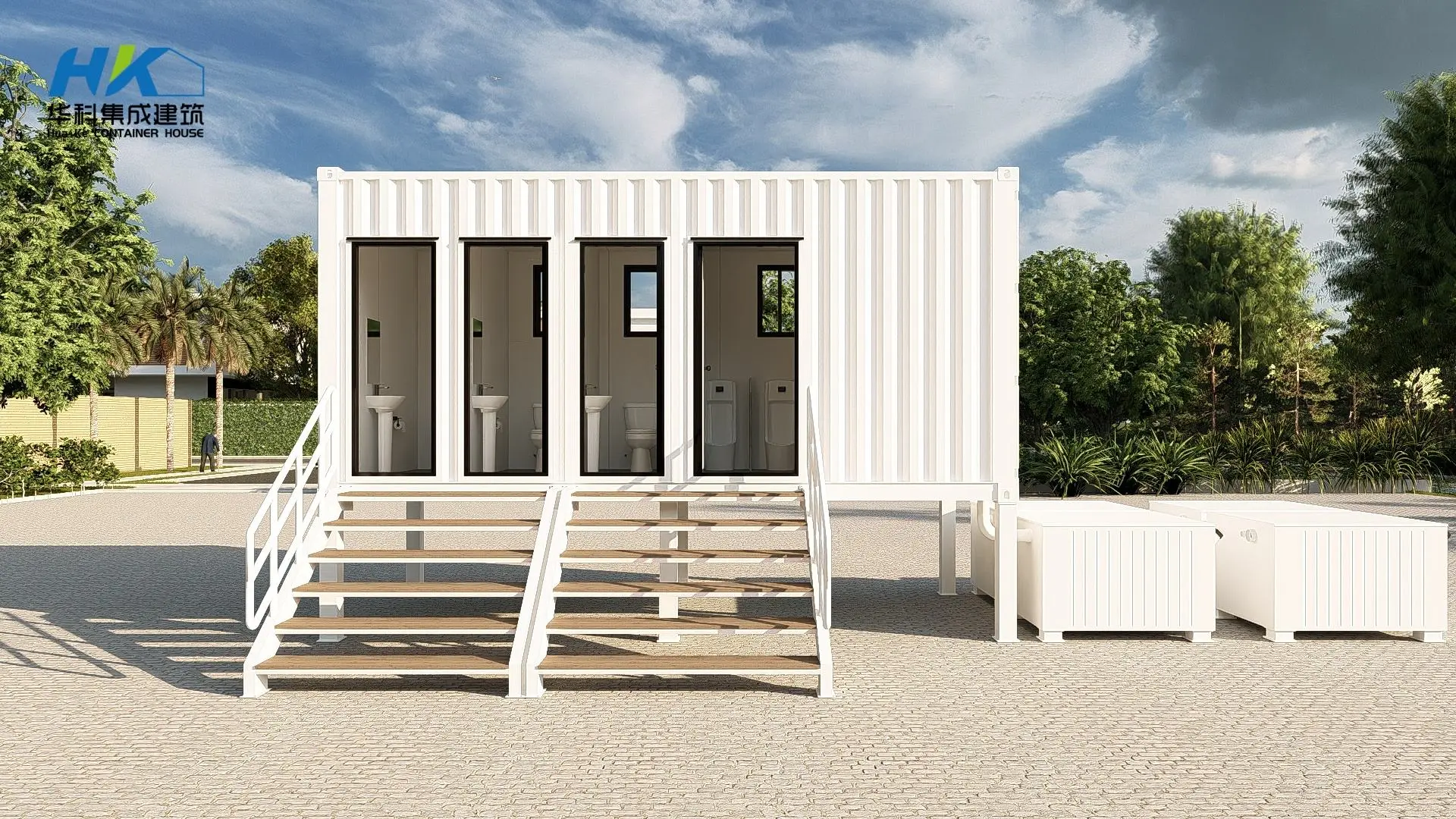 Contianer Toilet