10 Essential Tips for Choosing the Right Building Material?
Choosing the right building material is crucial for any construction project. The global building materials market is projected to reach $1.071 trillion by 2027, according to industry reports. Selecting suitable materials can influence durability, energy efficiency, and aesthetics. Expert Jane Doe, a renowned architect, emphasizes, "The choice of building material defines the longevity and performance of a structure."
Building materials vary significantly in costs and characteristics. For instance, concrete is known for its strength but can impact energy efficiency. Wood, while aesthetically pleasing, may not always provide the required durability. Understanding these trade-offs is vital for successful project outcomes.
The need for sustainable choices also shapes industry trends. Many companies now offer eco-friendly products. Yet, some traditional materials remain popular due to their proven reliability. This highlights a constant evolution in building material selection, balancing innovation with time-tested options. Careful evaluation of available choices and compliance with local regulations will ensure project success.

Understanding Different Types of Building Materials and Their Uses
When selecting building materials, understanding their types and applications is crucial. Key material categories include wood, concrete, metal, and stone. Each has distinct properties that influence your project's durability, aesthetics, and cost. For instance, concrete is widely known for its strength, making up about 70% of the world's construction. On the other hand, wood offers versatility and insulation, but can be susceptible to rot if not properly treated.
Consider these tips when choosing materials. First, evaluate the environment. Materials should withstand local weather conditions. For instance, metal can corrode in humid areas, while certain stones can crack in freeze-thaw cycles. Additionally, check for sustainability. Reports indicate that sustainable practices in material selection can reduce carbon footprints by up to 30%. Finally, think about maintenance. Low-maintenance materials often save costs long-term. Wood requires regular treatments, while brick is more durable but can still show wear over time.
Proper research is essential. Relying on trustworthy data sources can help define your choices. However, the right material often challenges expectations. What works in one context may not in another. Therefore, careful consideration of each material's properties and their specific uses can lead to better decisions and, ultimately, a more successful project.
10 Essential Tips for Choosing the Right Building Material
| Material Type |
Common Uses |
Cost per Unit |
Durability |
Environmental Impact |
| Brick |
Walls, pavement, and arches |
$500 per 1000 bricks |
High (50+ years) |
Low |
| Concrete |
Foundations, floors, and walls |
$120 per cubic yard |
Very High (75+ years) |
Moderate |
| Wood |
Framing, furniture, and flooring |
$3 to $10 per board foot |
Moderate (30-100 years) |
Varies (Sustainable options available) |
| Steel |
Frames, roofs, and bridges |
$800 per ton |
Very High (50+ years) |
High (Recyclable) |
| Glass |
Windows, facades, and doors |
$25 to $100 per square foot |
Moderate (20-30 years) |
Low (Recyclable) |
Evaluating Durability and Lifespan of Potential Materials
When selecting building materials, evaluating durability and lifespan is crucial. The right materials can withstand various environmental factors and require less frequent replacement. According to a study by the National Association of Home Builders, durable materials can reduce life-cycle costs by up to 50%. This finding highlights the importance of choosing wisely.
Different materials offer varying levels of durability. For example, concrete can last over 50 years with proper maintenance, while wood may require replacement in just 20 years. Notably, weather-resistant materials like fiber cement have emerged as strong contenders in durability assessments. However, some homeowners may overlook long-term performance for initial cost savings. This short-term focus can lead to higher expenses later.
Before deciding, consider how materials react to local climate conditions. For instance, certain materials may not perform well in humid areas, leading to premature degradation. Research suggests that approximately 30% of building material failures stem from inadequate climate compatibility. Hence, thoughtful evaluation of durability and lifespan can provide long-term benefits, ensuring your investment stands the test of time.
Considering Environmental Impact and Sustainability Factors
When choosing building materials, it's essential to consider their environmental impact. Many materials contribute to greenhouse gas emissions during production. For instance, traditional concrete generates a significant carbon footprint. Opting for alternative options, like recycled aggregates or natural stones, can reduce this impact. The extraction process also affects local ecosystems, often leading to habitat destruction. Always evaluate where and how materials are sourced.
Sustainability goes beyond the initial choice. The longevity of materials plays a vital role. Durable materials require less frequent replacement, reducing waste. However, not all long-lasting materials are eco-friendly. Assess the entire lifecycle, from extraction to disposal. Recycled materials often present a sustainable choice, though they may need careful evaluation for structural integrity.
It's also crucial to reflect on the social aspects of material choices. Community impact matters. Supporting local suppliers can foster economic growth while lessening transportation emissions. It’s not just about the material itself; it’s about the relationships built. Thoughtful choices can pave the way for a more sustainable future.
Assessing Cost and Budget Constraints for Your Project
When assessing cost and budget constraints for your building project, it's crucial to gather accurate data. Research indicates that materials account for about 50% of total construction costs. This places emphasis on selecting the right materials. Budgeting means understanding upfront costs, long-term durability, and maintenance expenses. A saved dollar today may lead to a lost hundred tomorrow.
Industry reports show that the price of steel has fluctuated by up to 25% in recent years. Such volatility is significant for both residential and commercial projects. Concrete, on the other hand, tends to provide more consistent pricing, yet its lifecycle costs can be higher in areas like insulation and energy efficiency. Understanding these dynamics can lead to better financial decisions.
Consider life-cycle assessments (LCA) when evaluating materials. They help illustrate not just the initial cost but the overall impact and savings over time. This method can reveal surprising results. A cheaper material might lead to higher costs later on due to frequent repairs or replacements. Reflecting on these insights can refine your material choices and ensure a smarter investment for your project.
Ensuring Compliance with Local Building Codes and Regulations
When selecting building materials, understanding local codes is crucial. These codes ensure safety and compliance in construction projects. They cover various aspects like fire safety, structural integrity, and environmental impact. Ignoring them can lead to severe consequences, including project delays and costly fines. Awareness of these regulations can guide you toward appropriate material choices.
In your research, consult local construction experts or regulatory bodies. They can provide clarity on what materials meet compliance standards. Additionally, consider how building materials align with sustainability practices. Many regions now promote eco-friendly choices. Yet, availability can vary, requiring you to explore options and trade-offs. Reflect on the impact of non-compliance and the potential for wasted resources.
Navigating codes can be daunting. Be mindful of common pitfalls, such as using materials without verifying their compliance. This can result in having to redo parts of your project. Building relationships with local suppliers can facilitate better access to compliant materials. Engage in community discussions to share experiences and lessons learned.

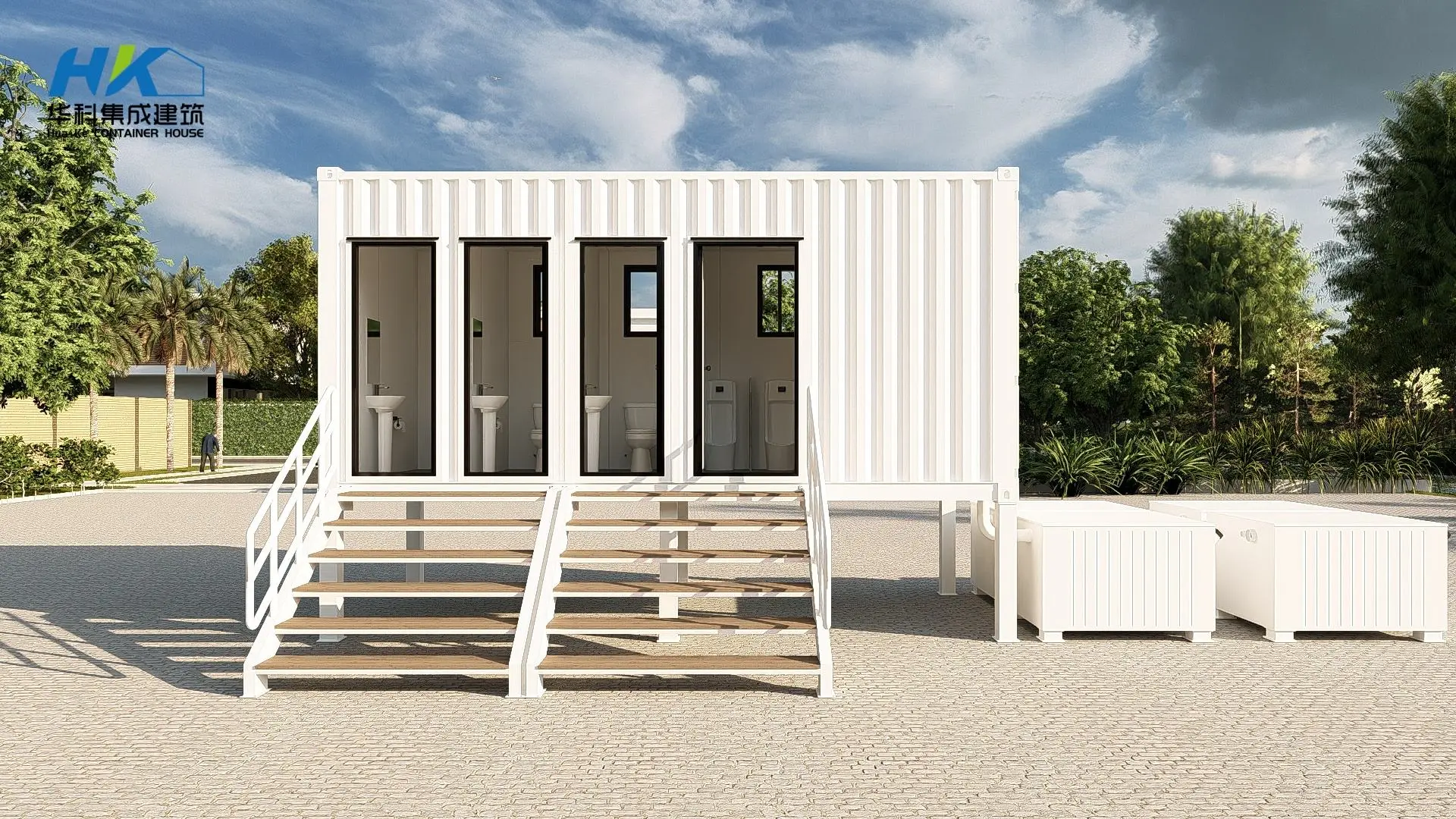 Contianer Toilet